
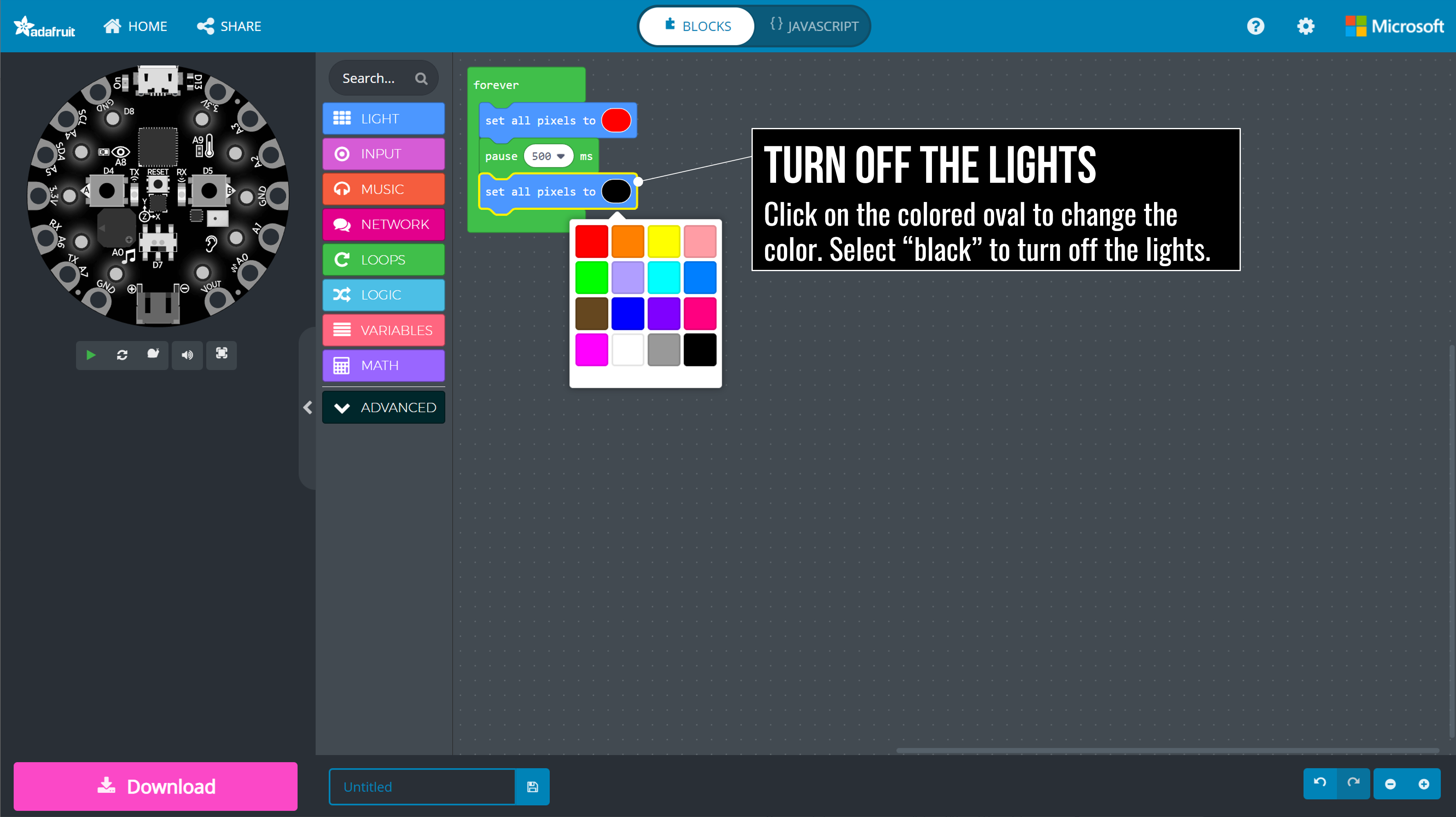
L2 Programming With MakeCode Physical Computing
Free printable calendar template — download, print, and start planning today.
More Like This
 Home - Physical Computing
 Signals - Physical Computing
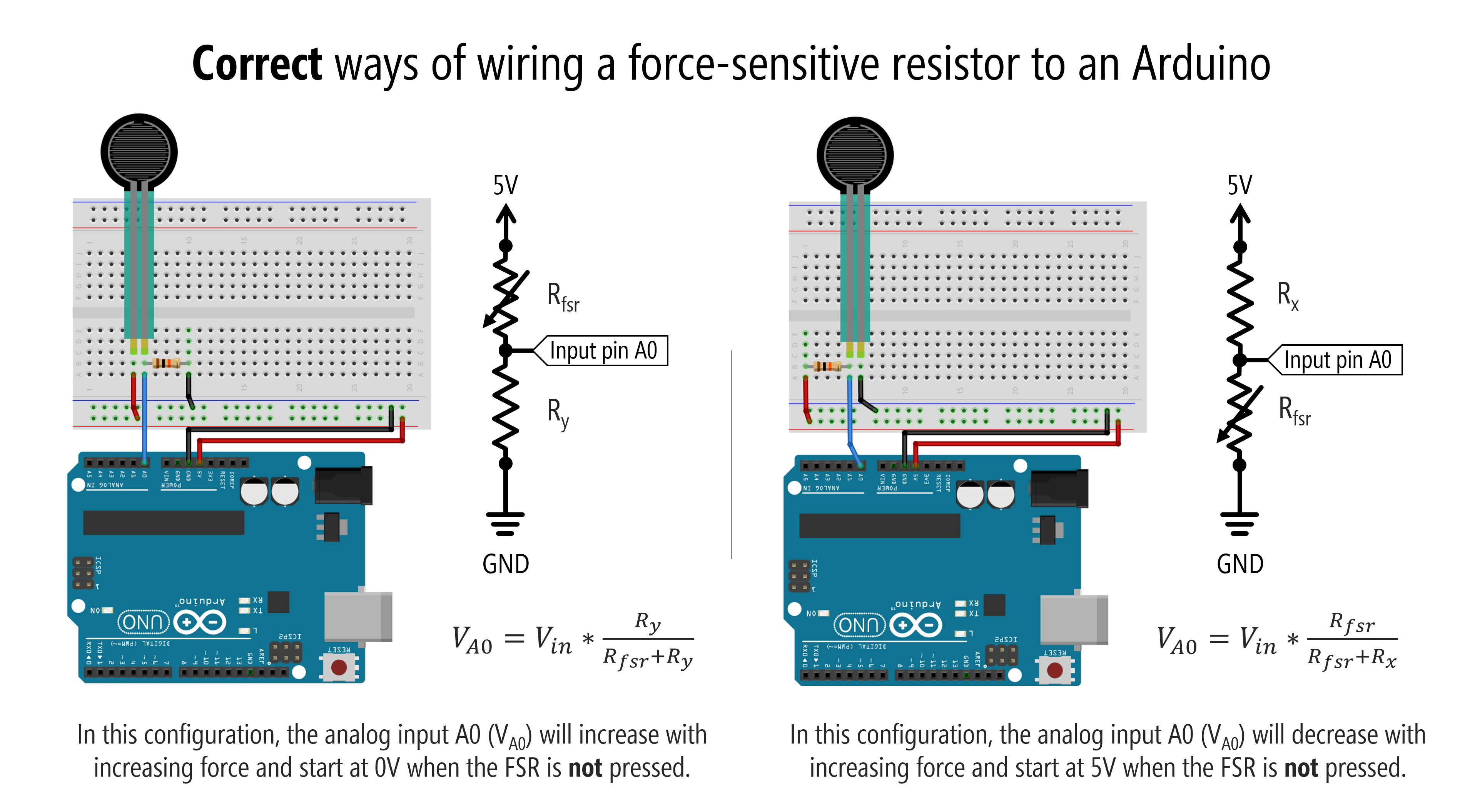 L5: Force-Sensitive Resistors - Physical Computing
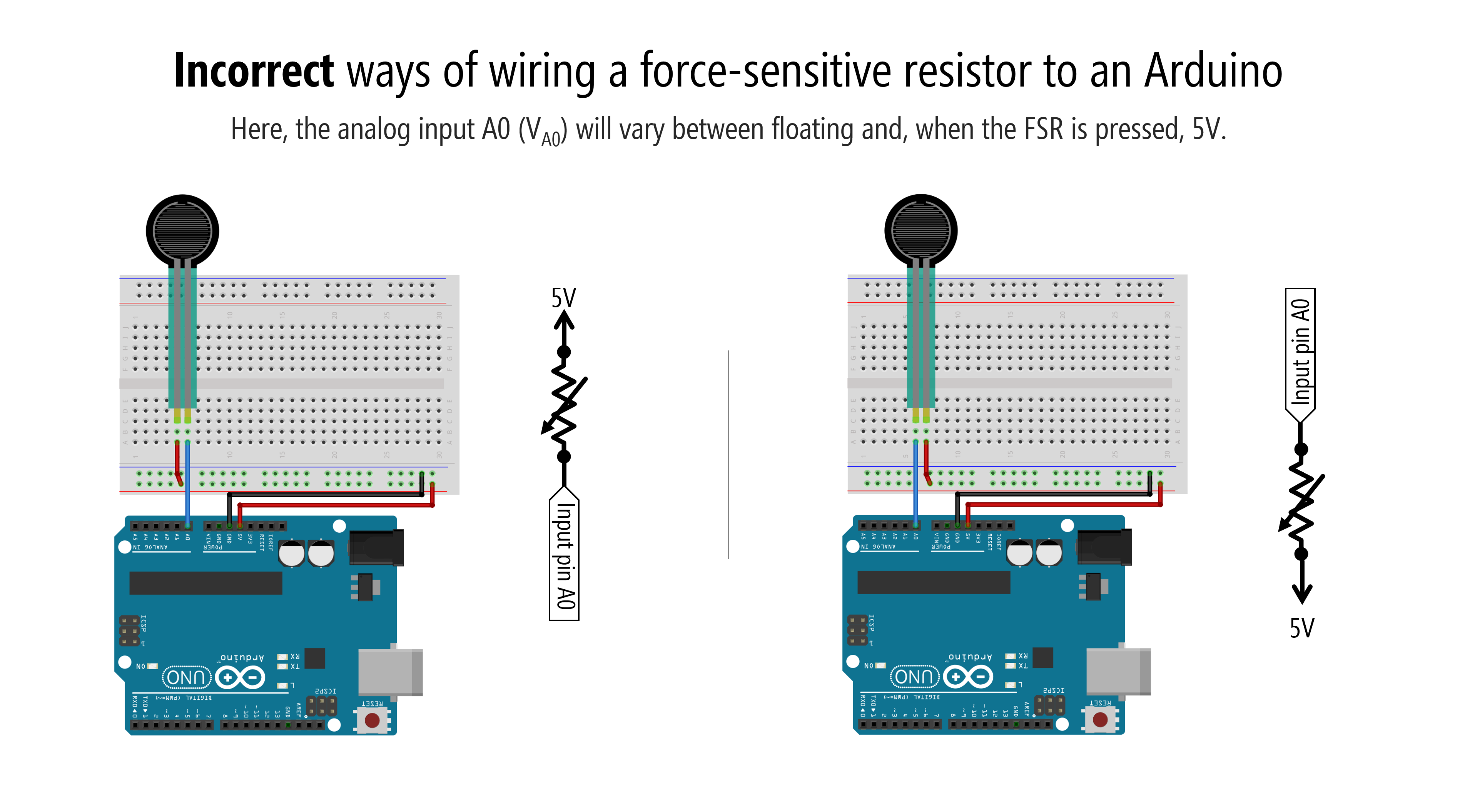 L5: Force-Sensitive Resistors - Physical Computing
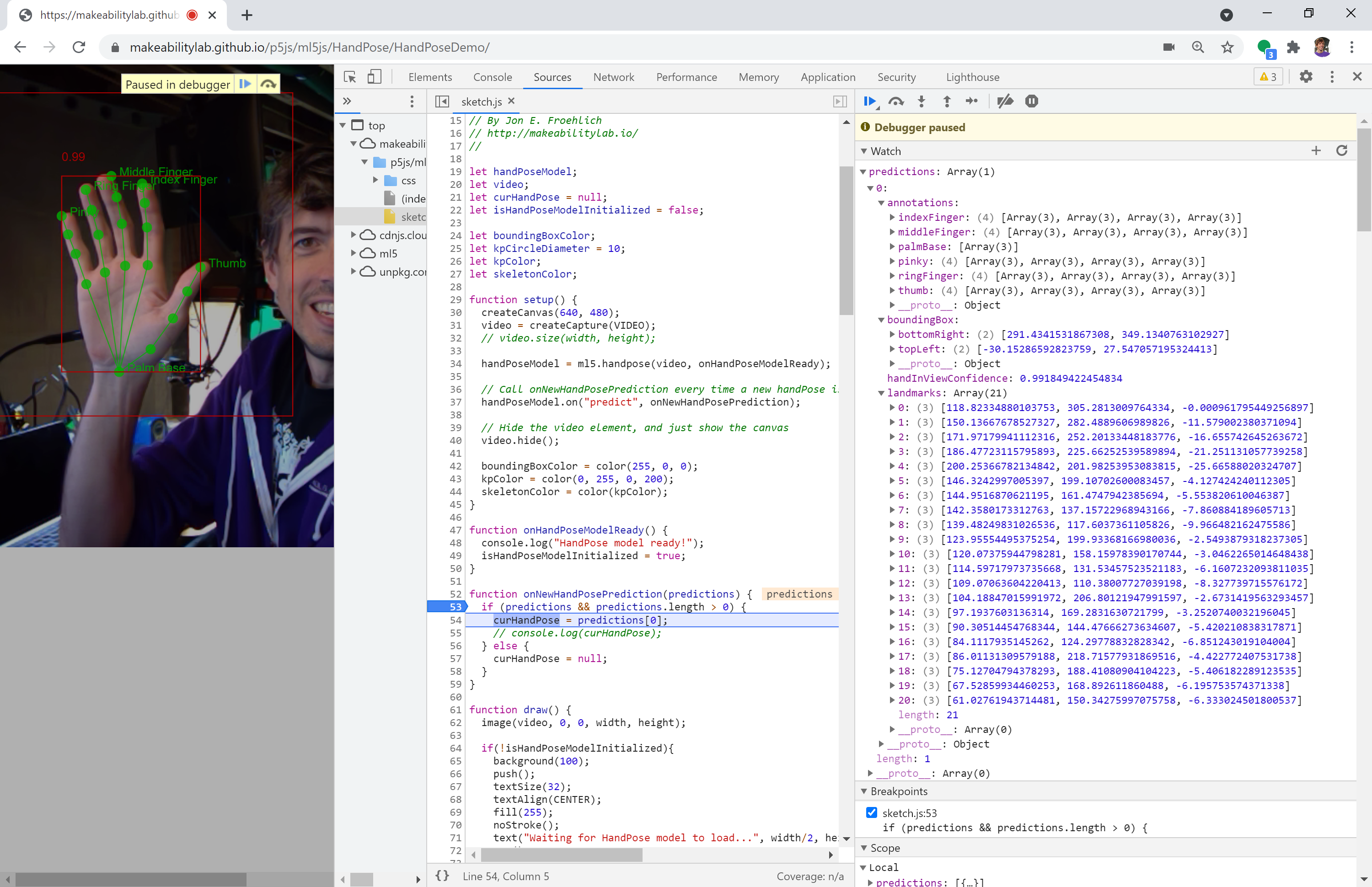 L7: HandPose Serial - Physical Computing
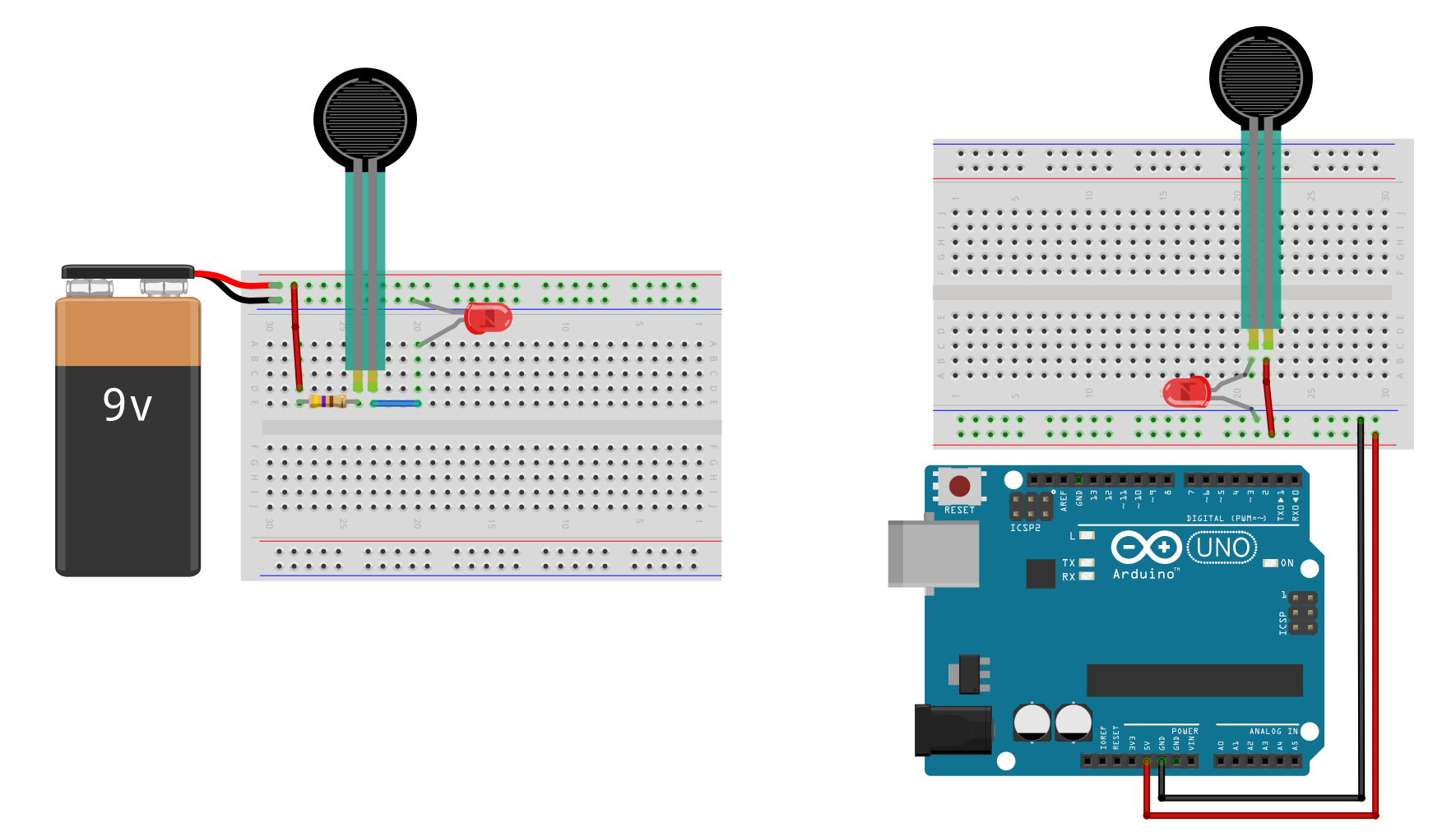 L5: Force-Sensitive Resistors - Physical Computing
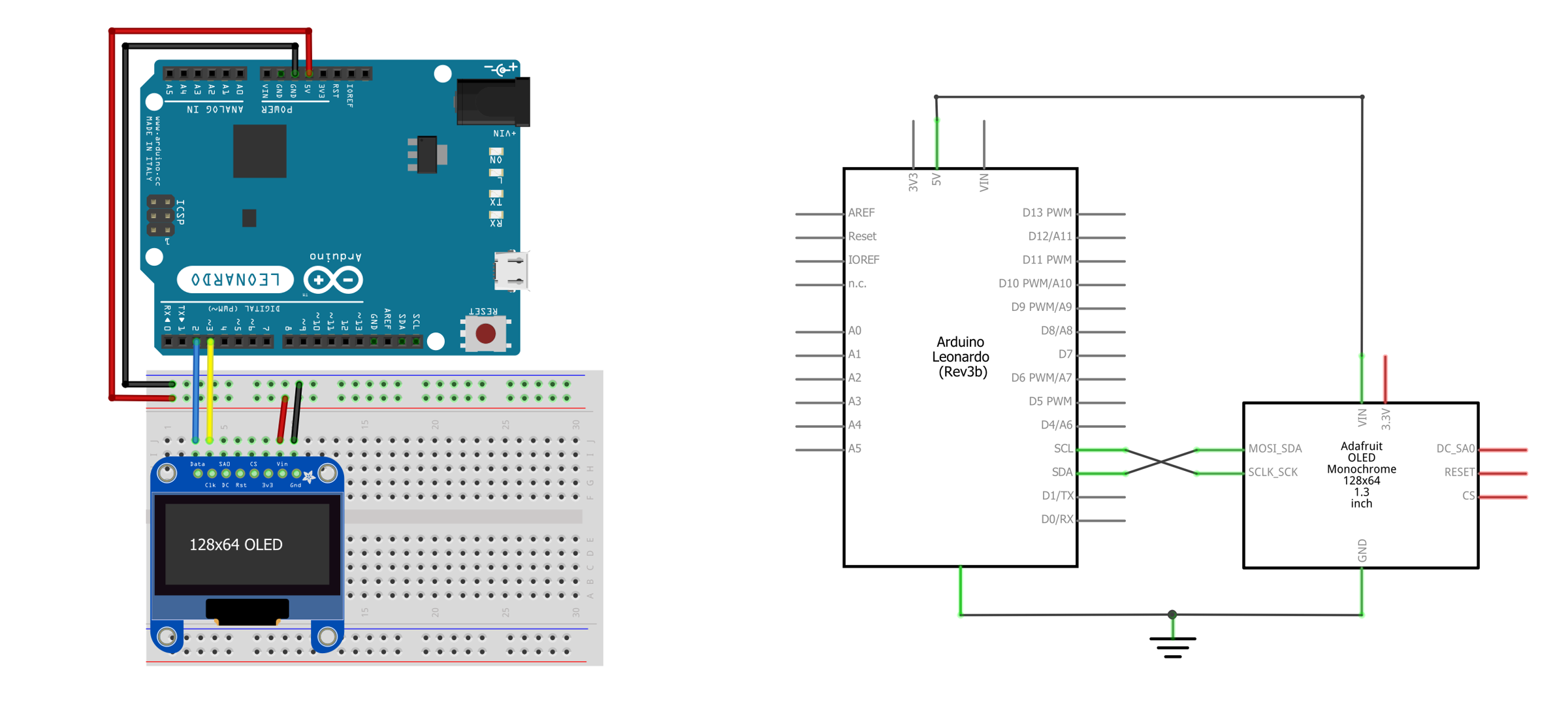 L2: Web Serial - Physical Computing
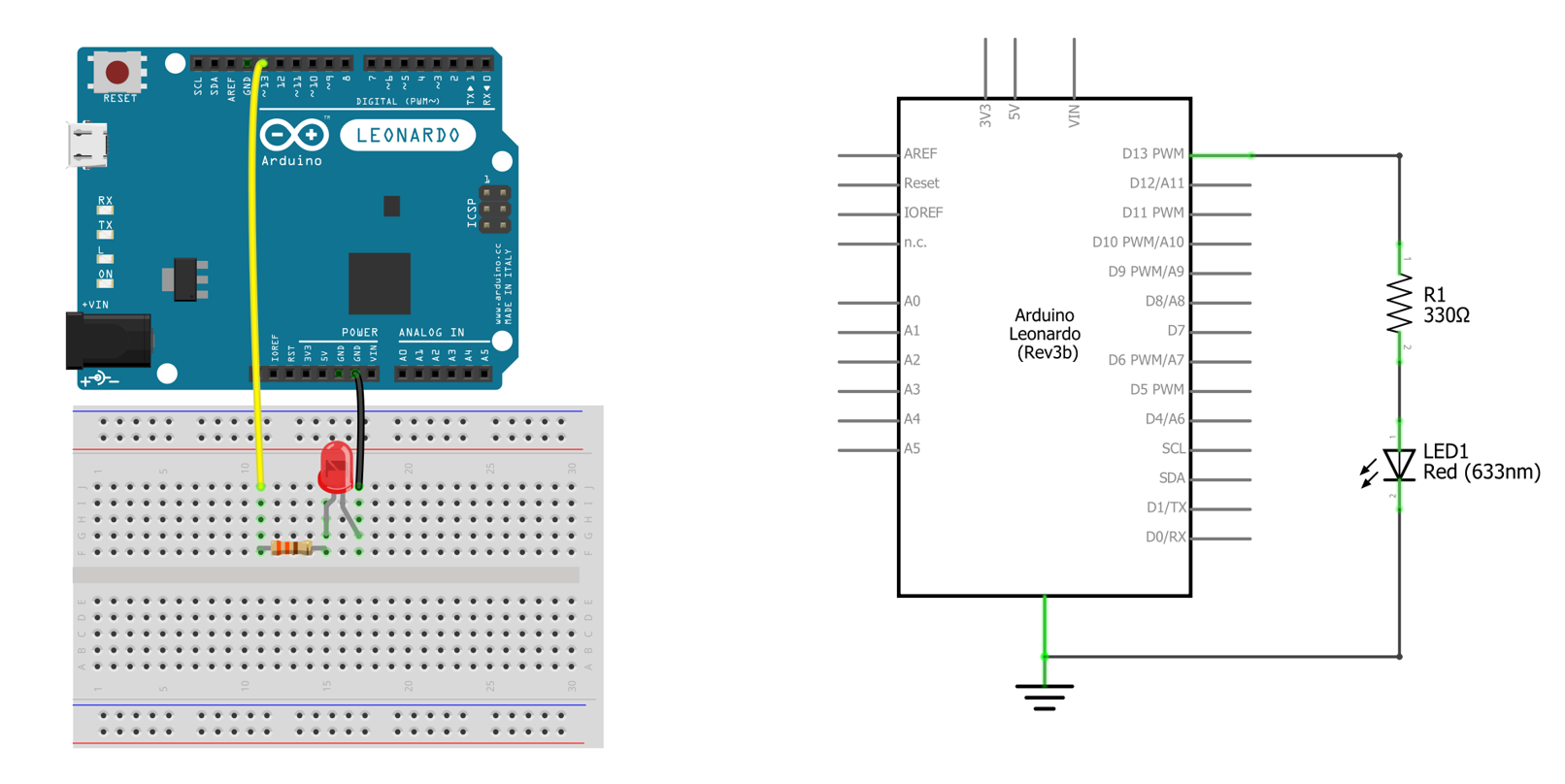 L2: Web Serial - Physical Computing
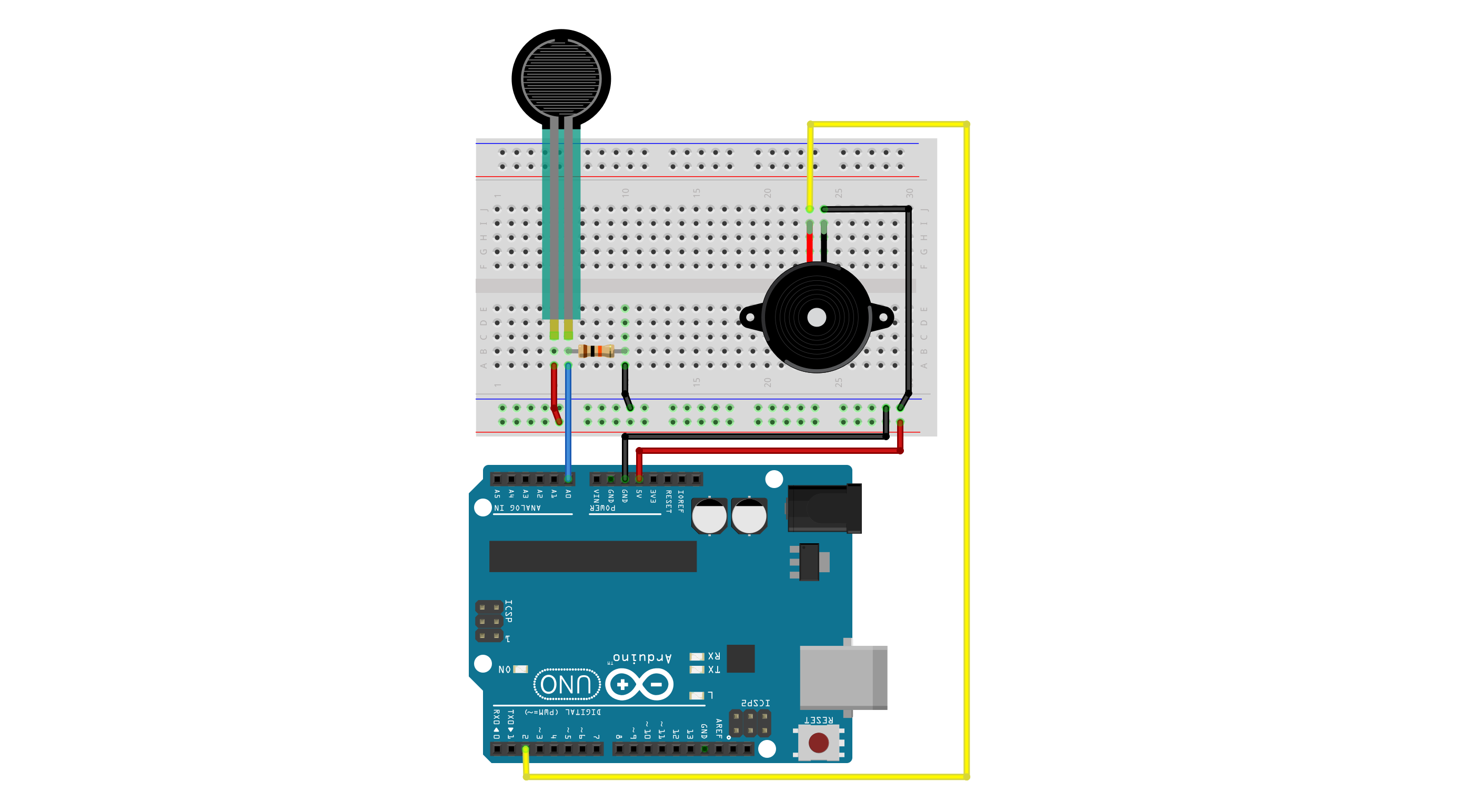 L5: Force-Sensitive Resistors - Physical Computing
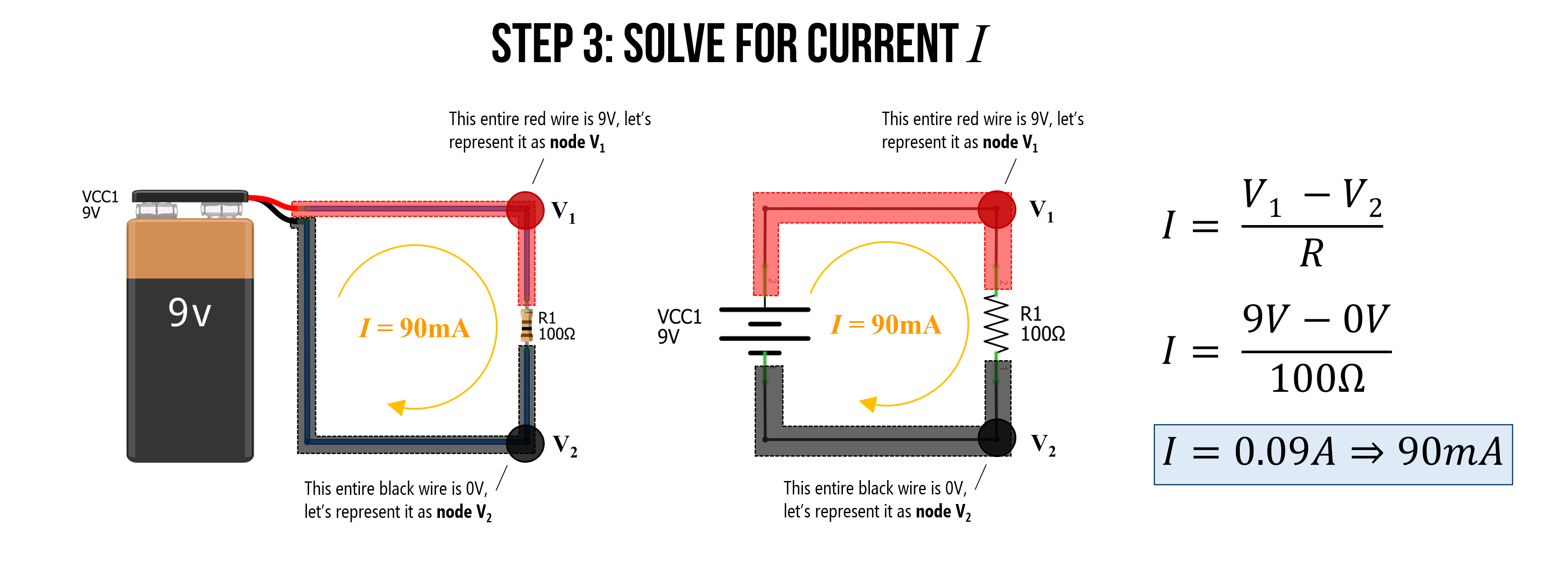 L3: Ohm's Law - Physical Computing
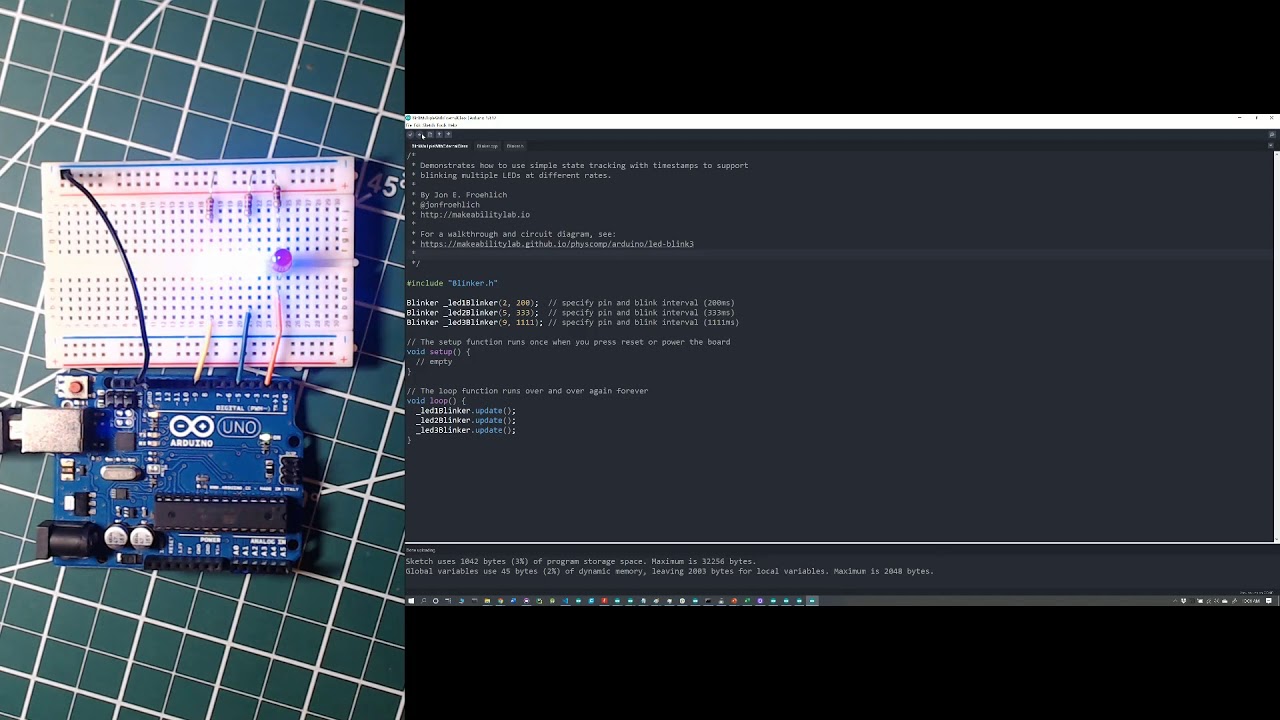 L8: Rate Blinking LEDs - Physical Computing
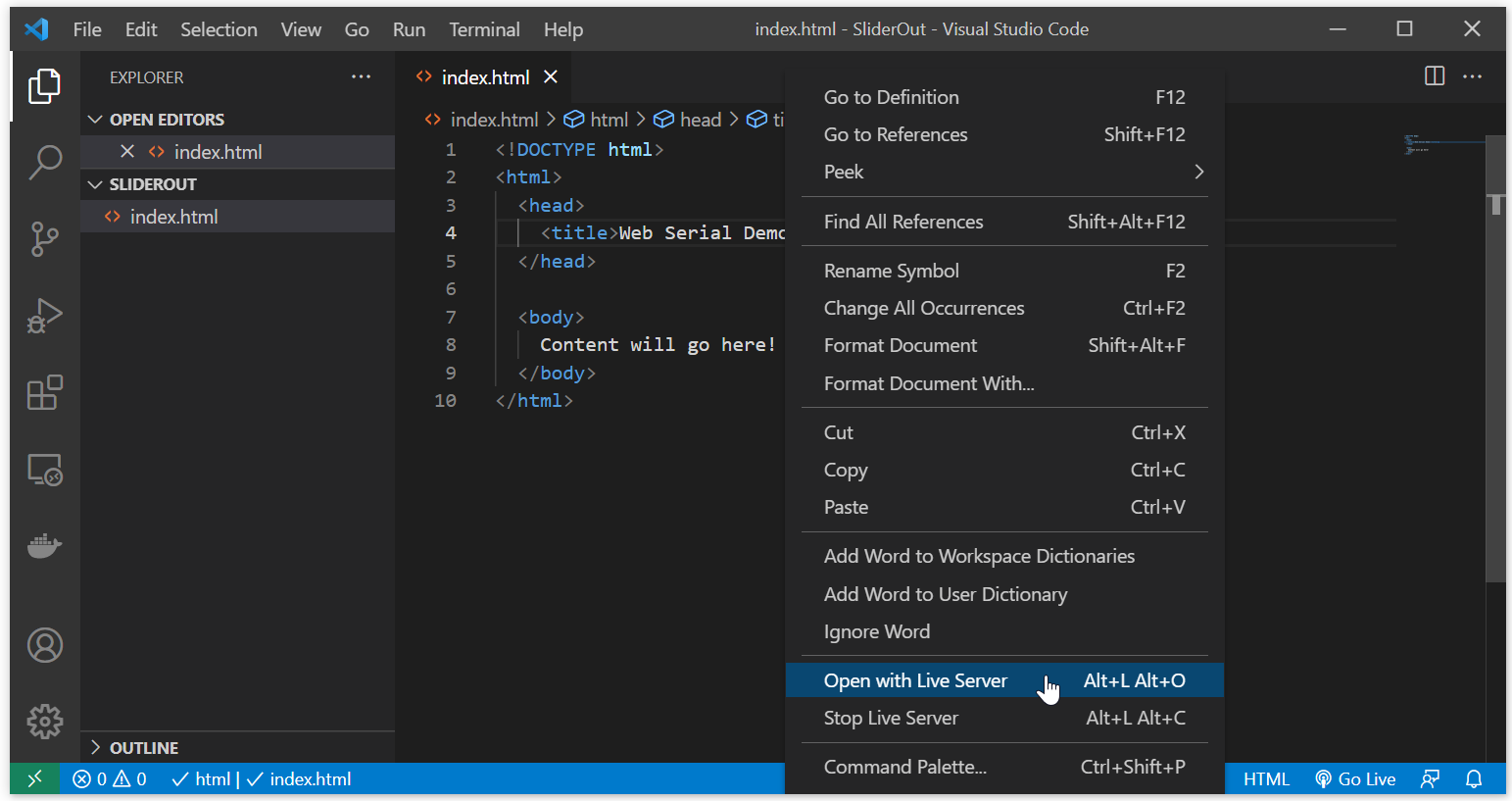 L2: Web Serial - Physical Computing
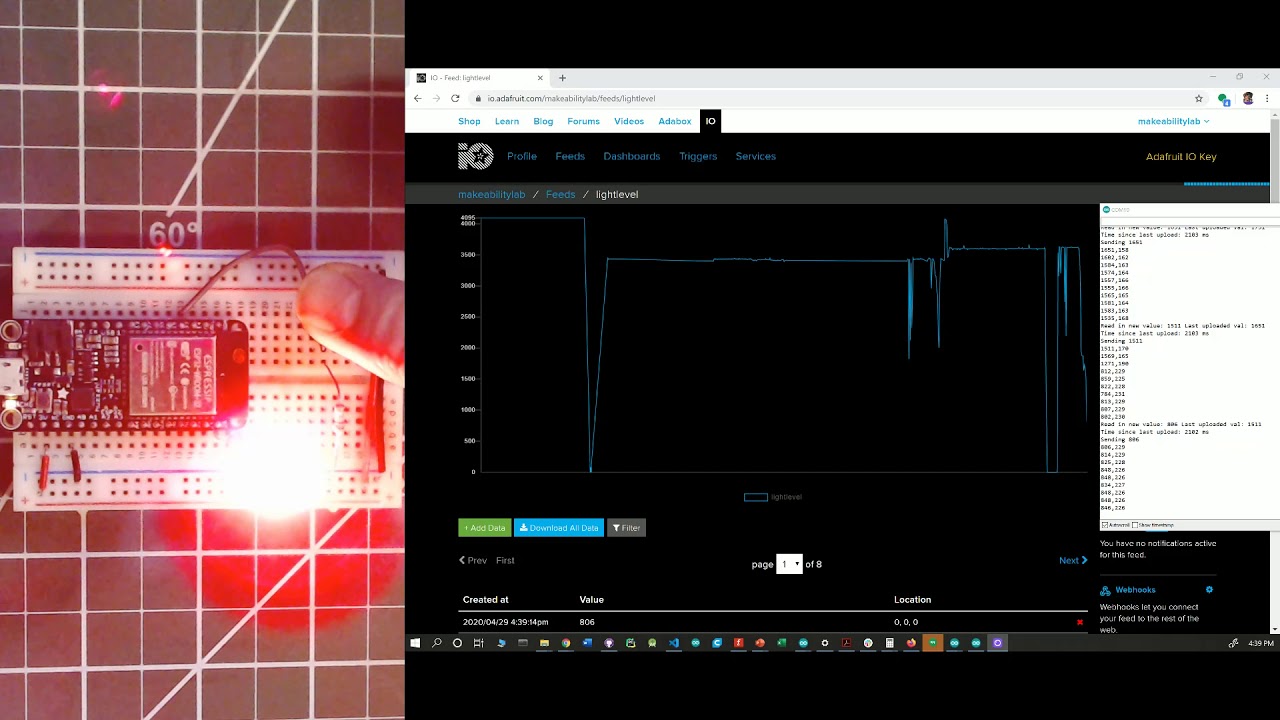 L7: Internet of Things - Physical Computing
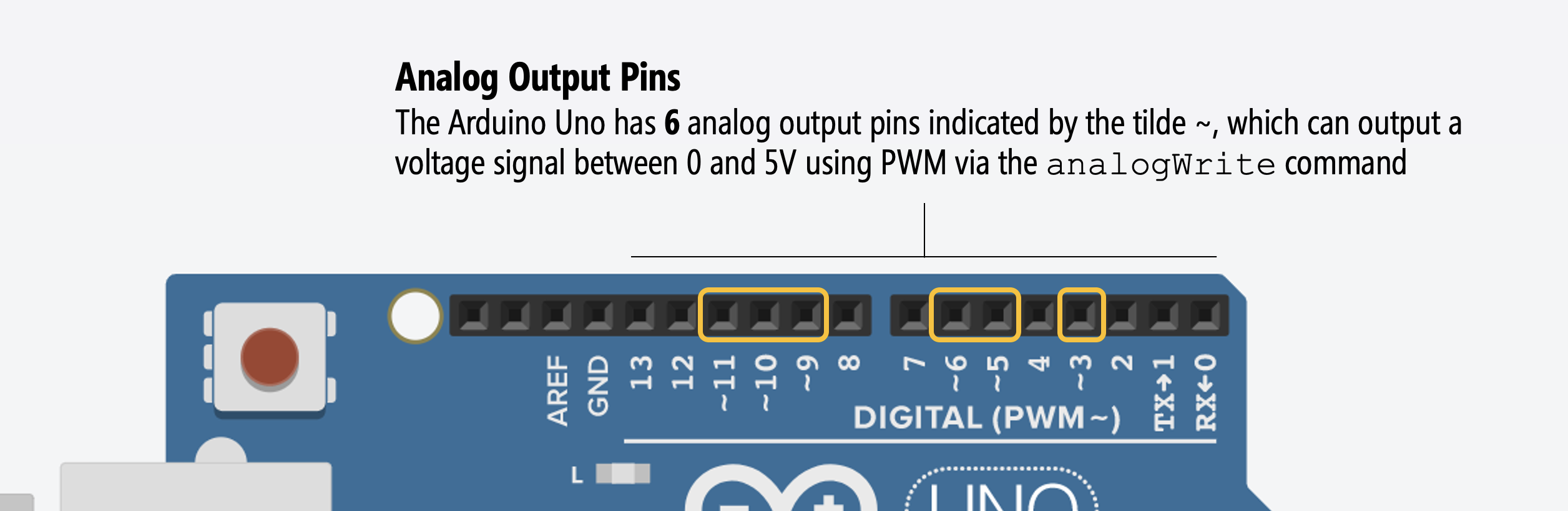 L4: Fading an LED - Physical Computing
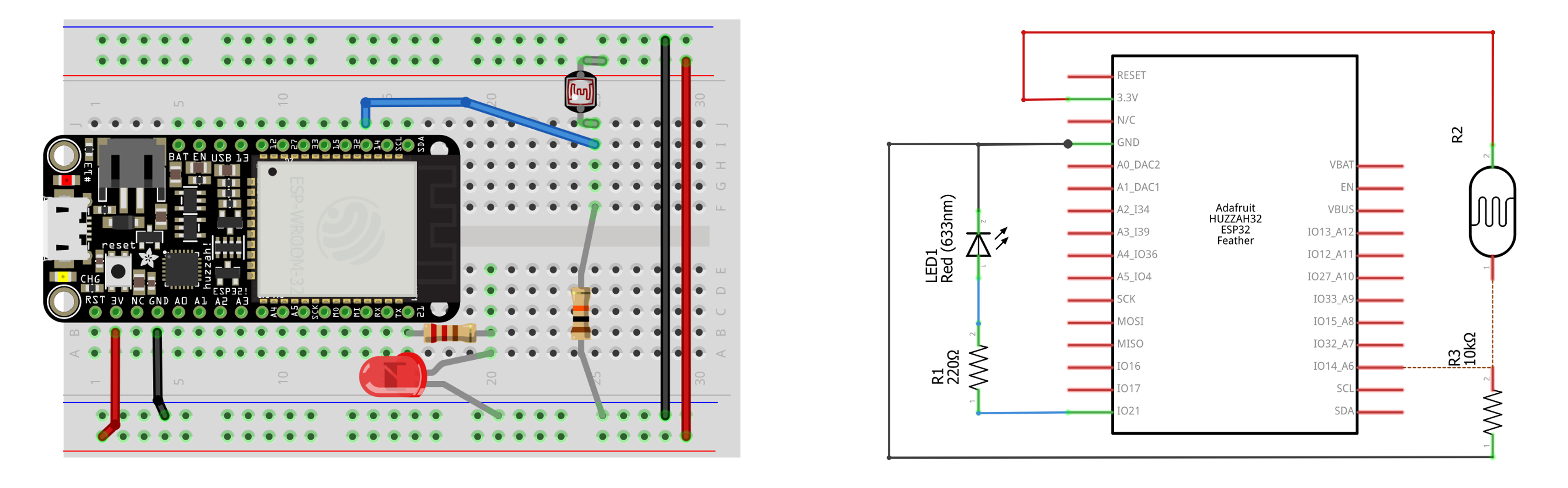 L7: Internet of Things - Physical Computing
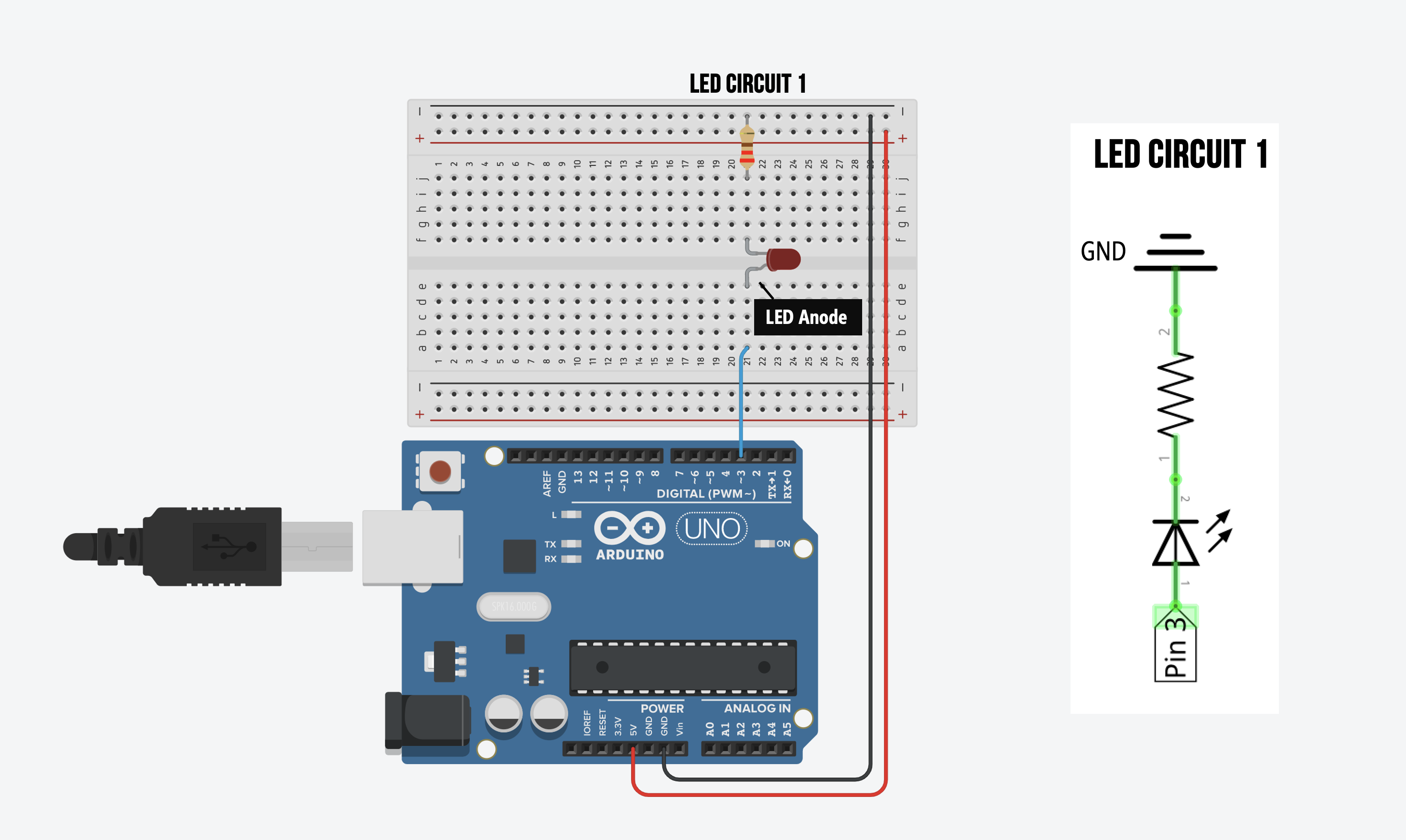 L5: Blinking Two LEDs - Physical Computing
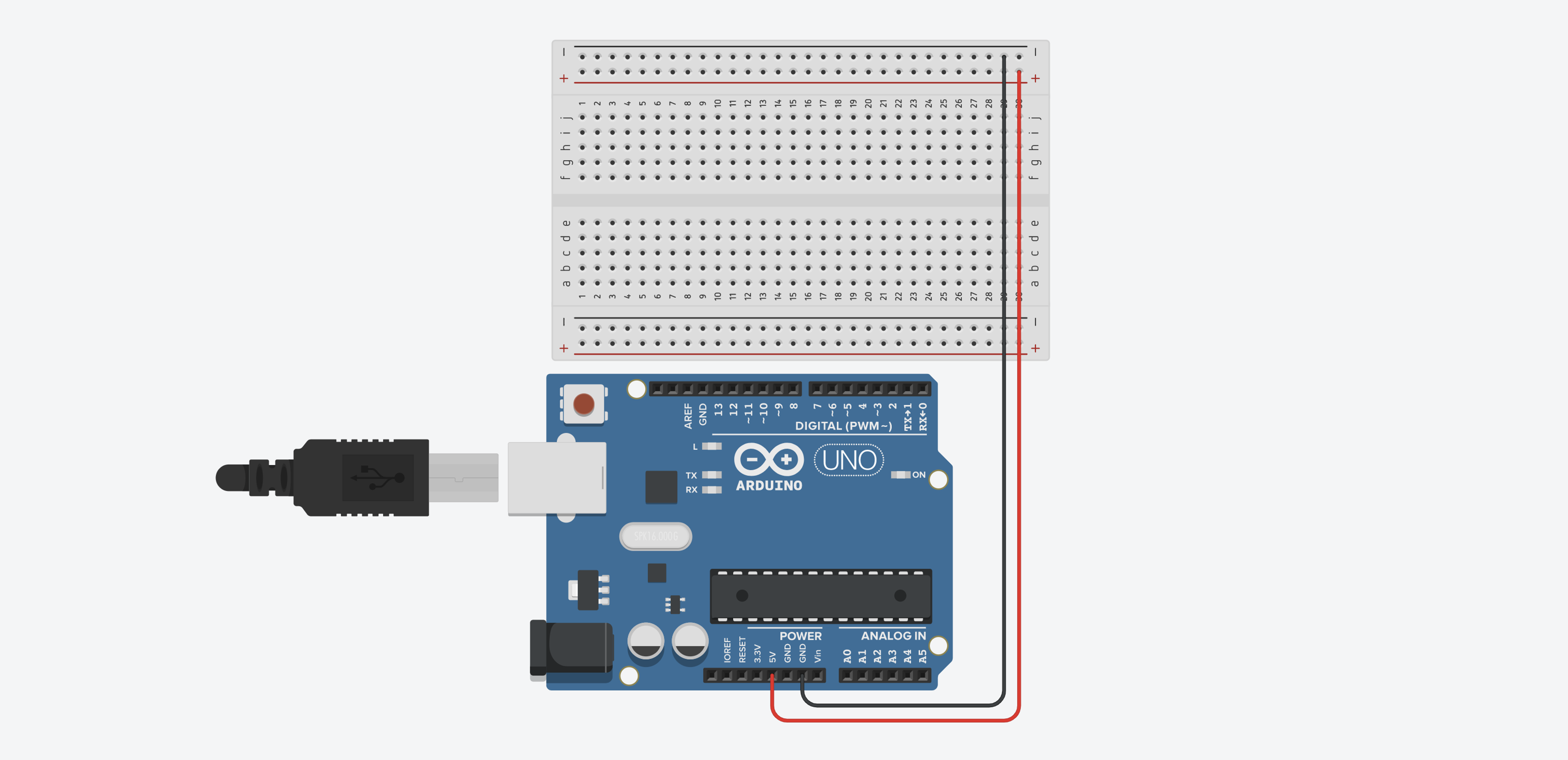 L5: Blinking Two LEDs - Physical Computing
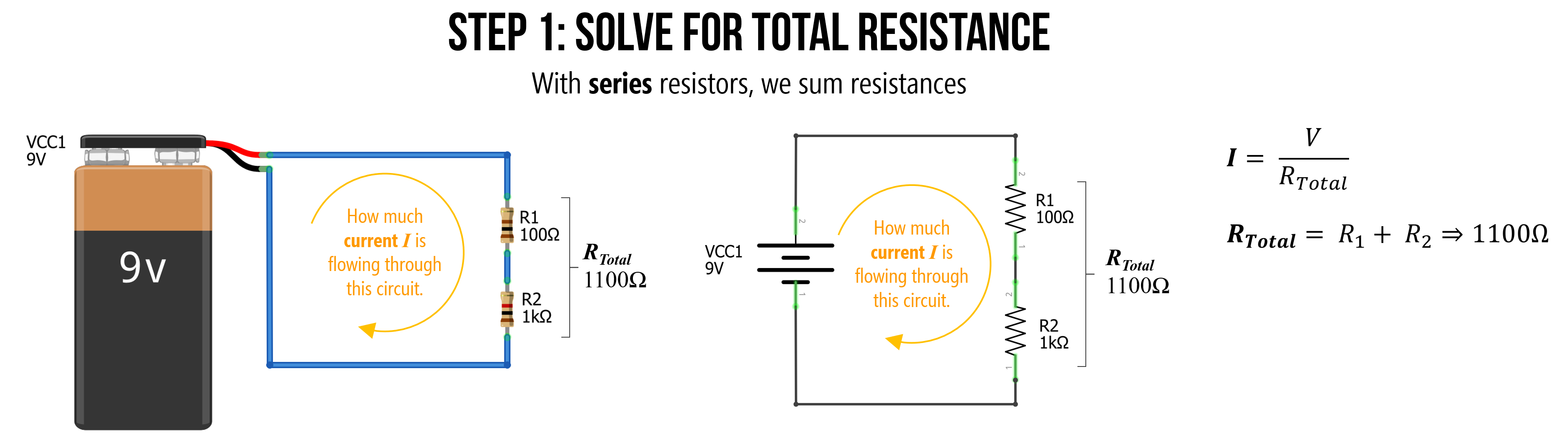 L4: Series and Parallel Resistors - Physical Computing
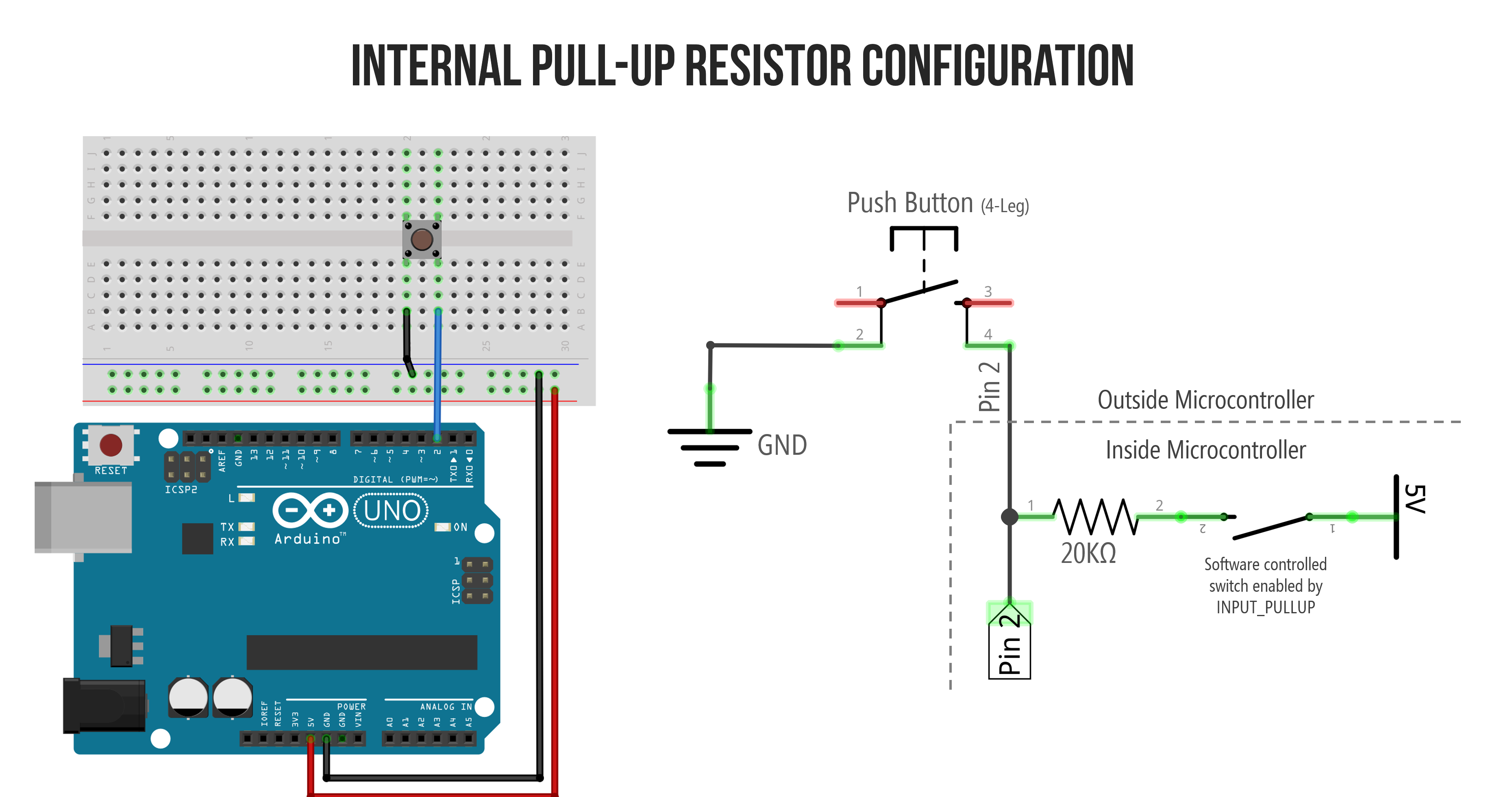 L1: Using buttons - Physical Computing
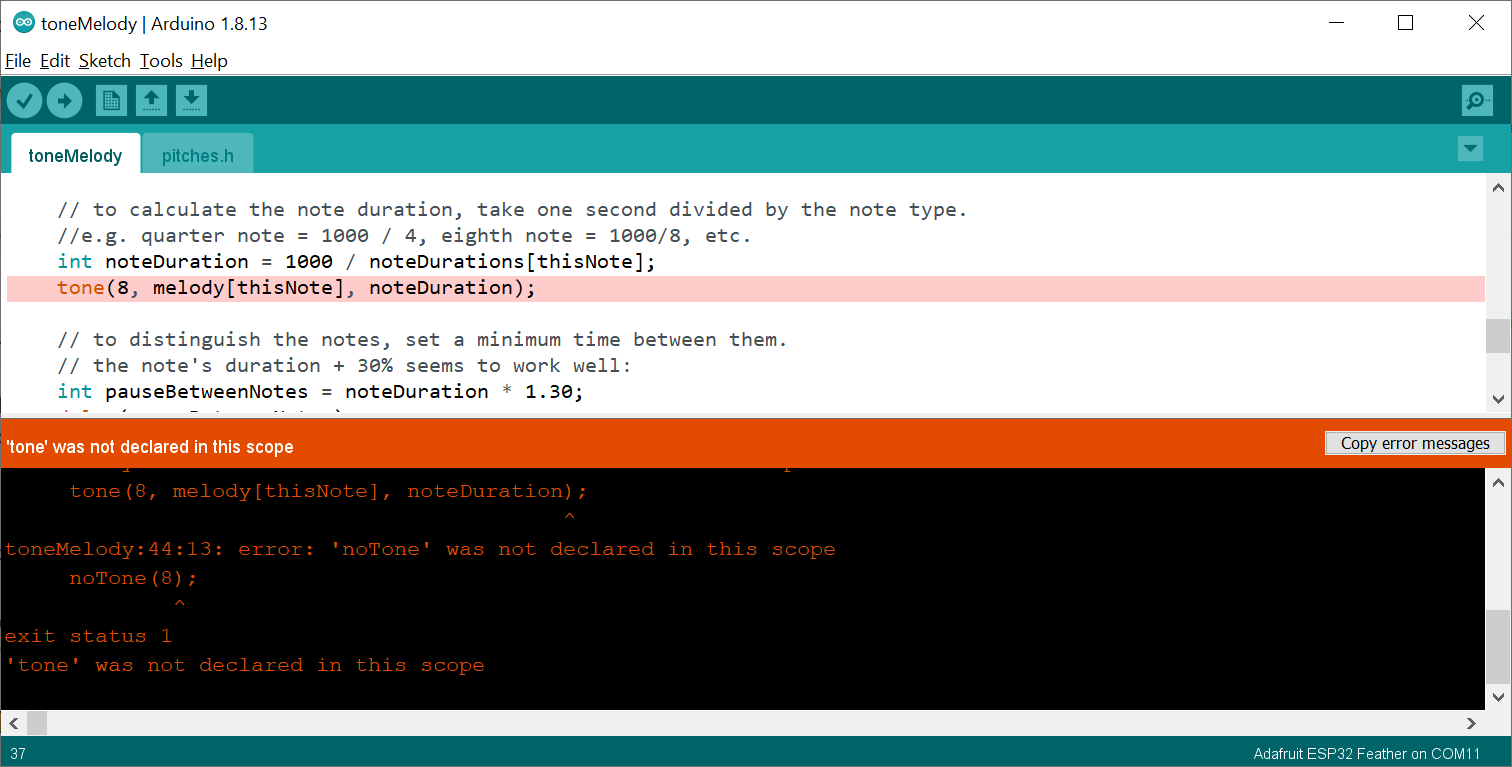 L5: Playing tones - Physical Computing
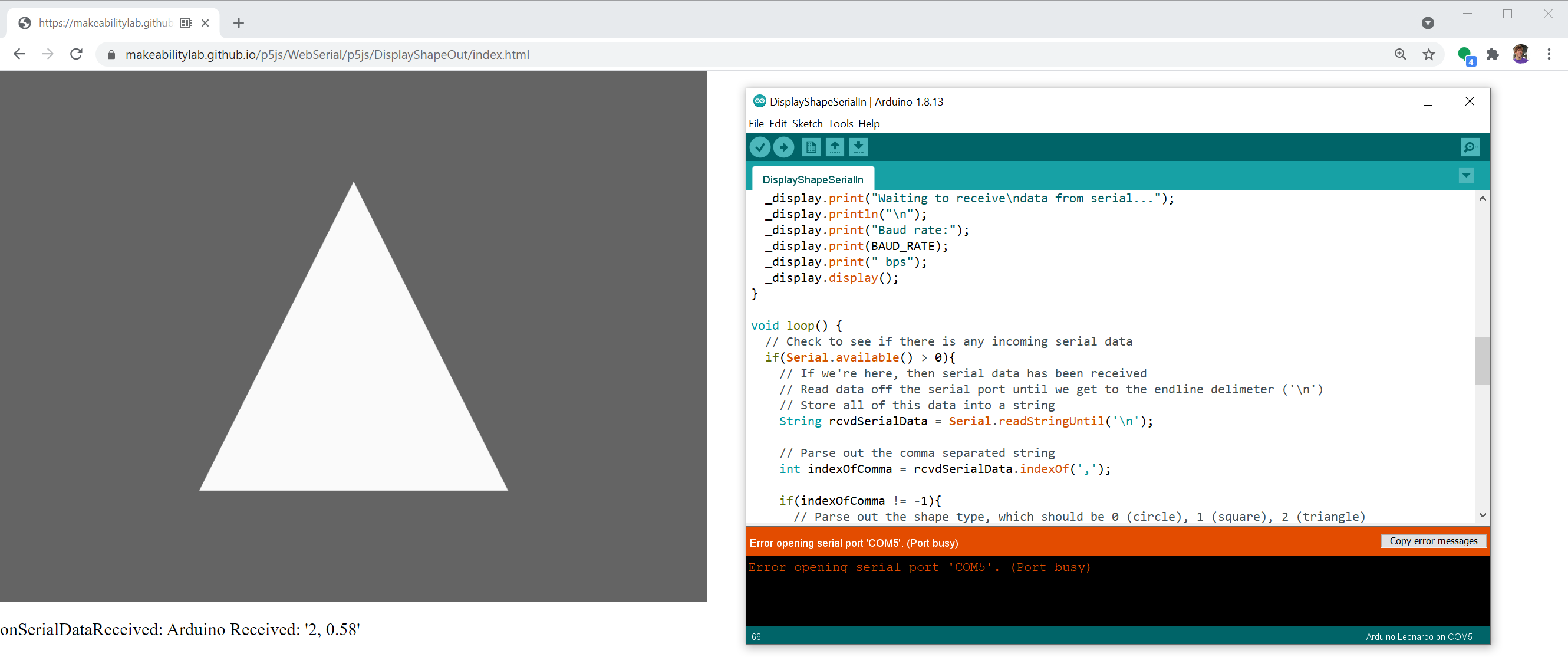 L4: p5.js Serial I/O - Physical Computing
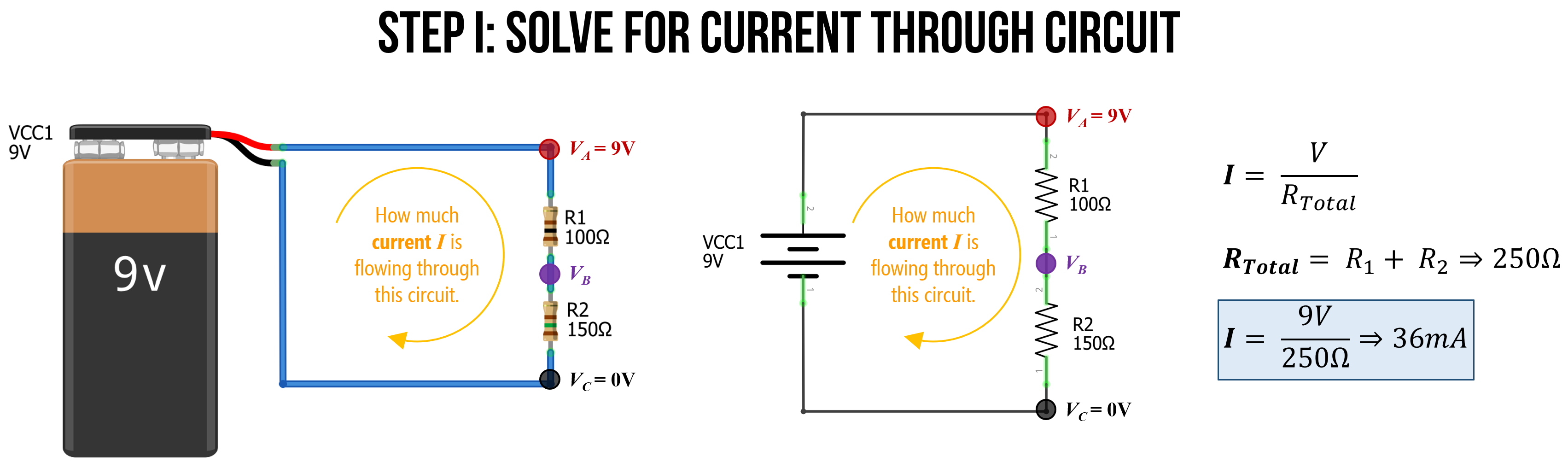 L4: Series and Parallel Resistors - Physical Computing
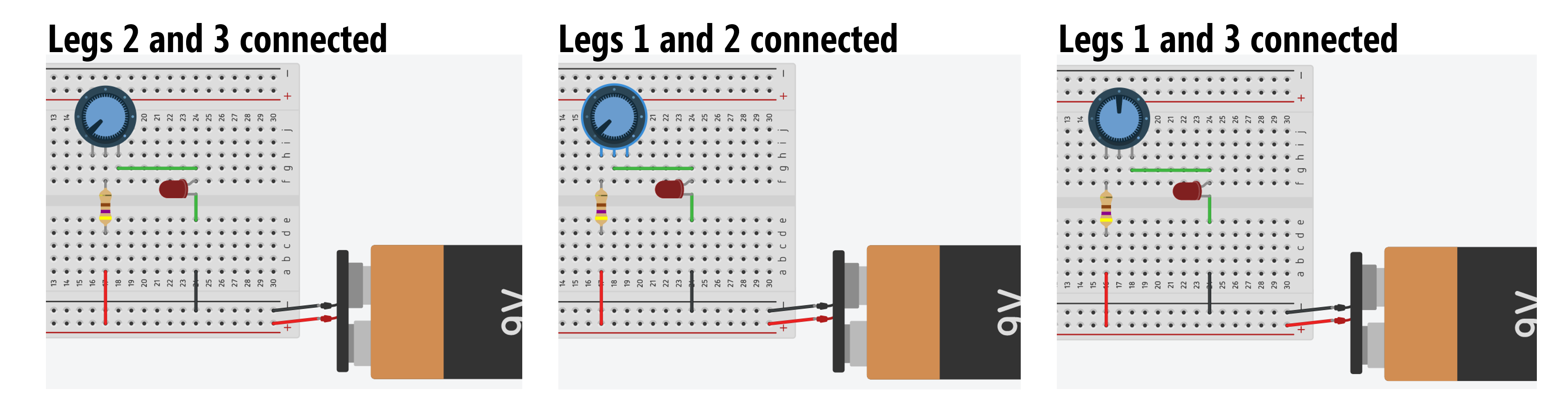 L4: Potentiometers - Physical Computing
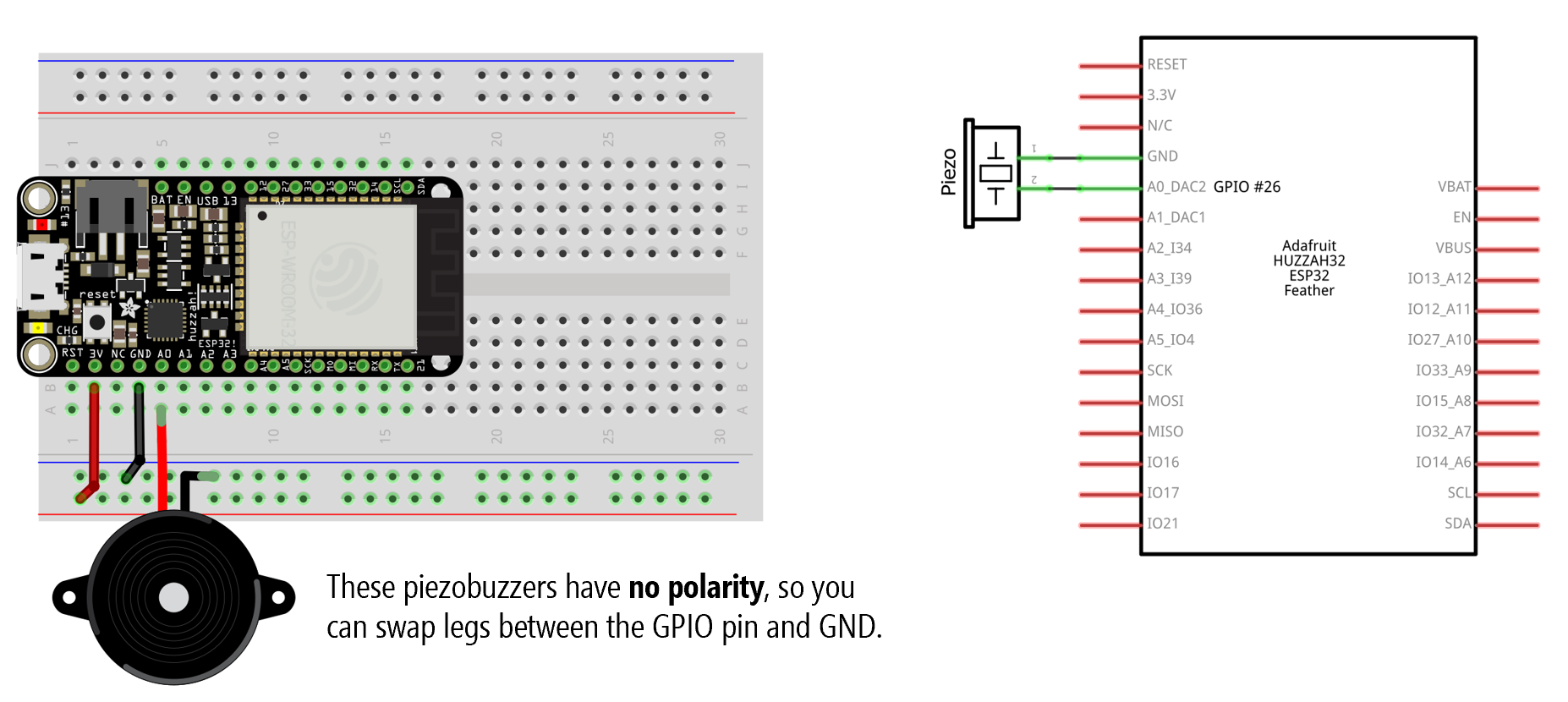 L5: Playing tones - Physical Computing
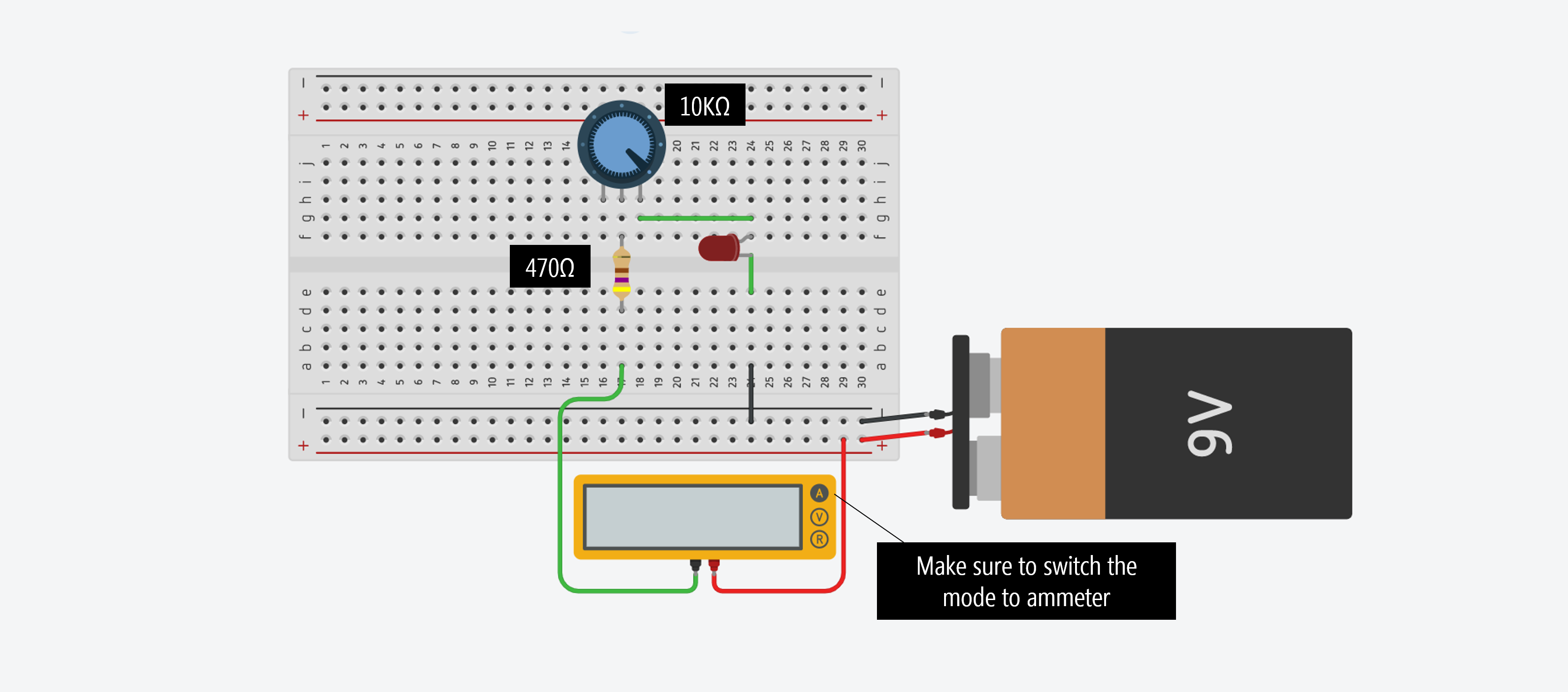 L4: Potentiometers - Physical Computing
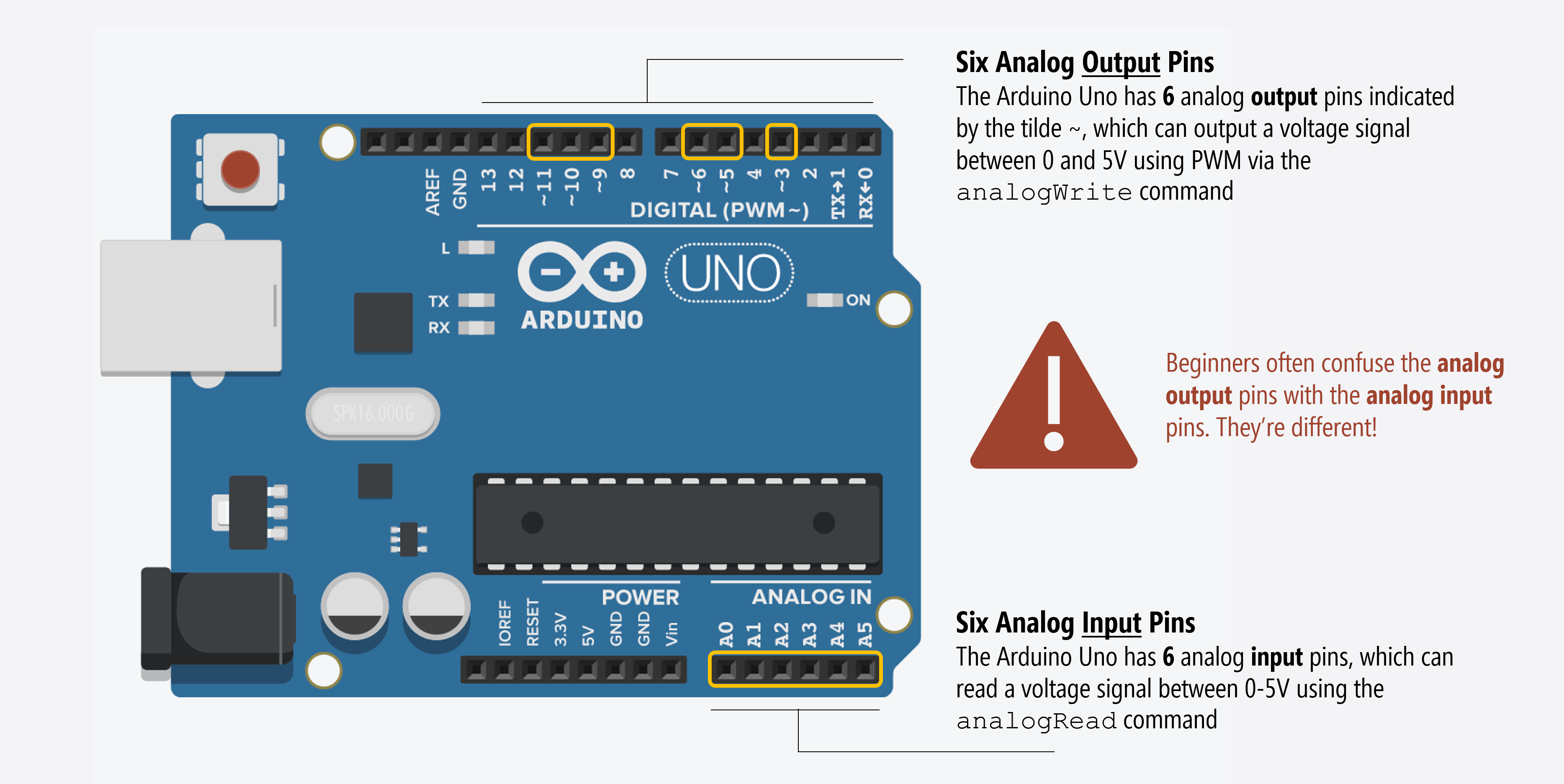 L4: Potentiometers - Physical Computing
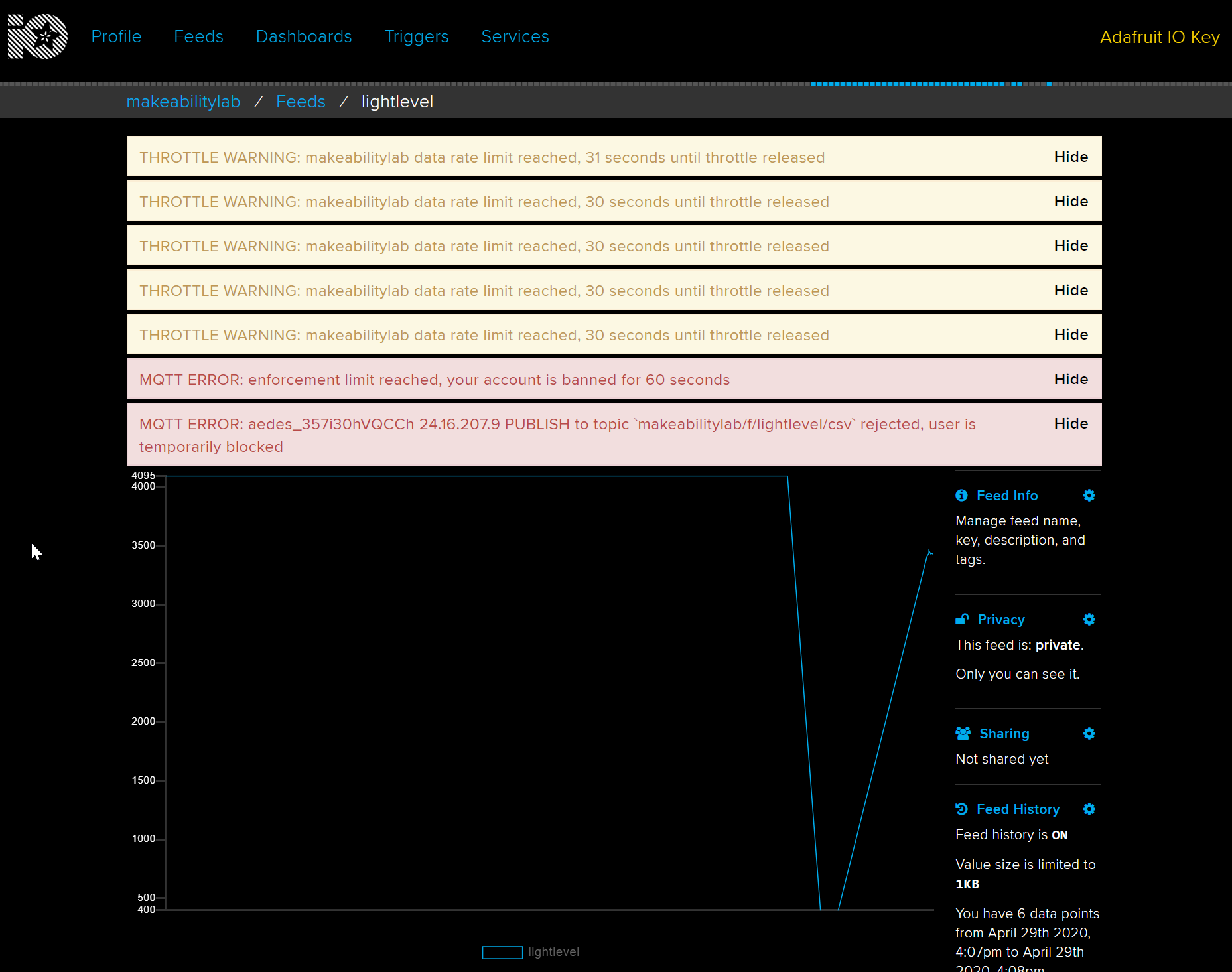 L7: Internet of Things - Physical Computing
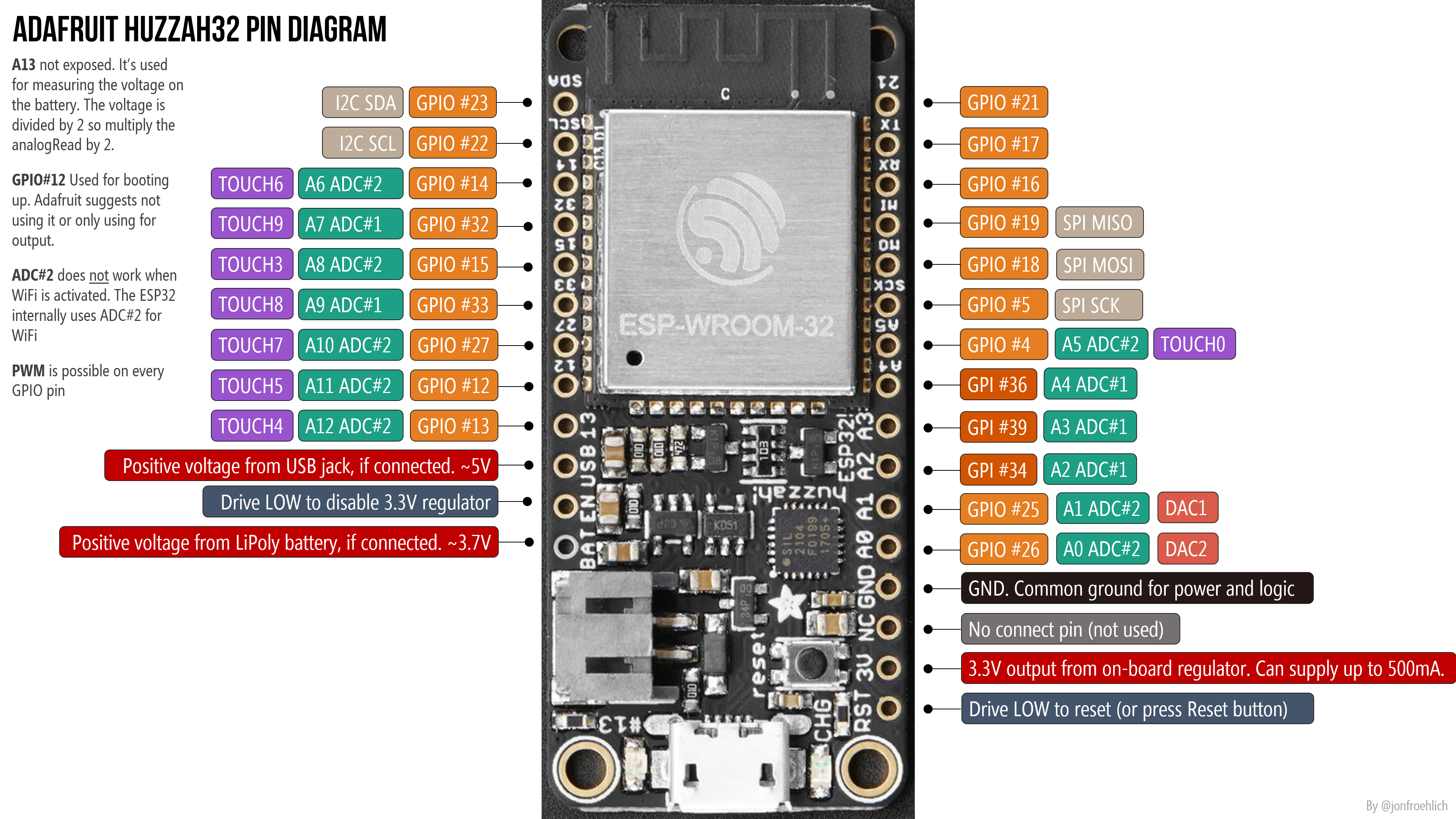 L4: Analog input - Physical Computing
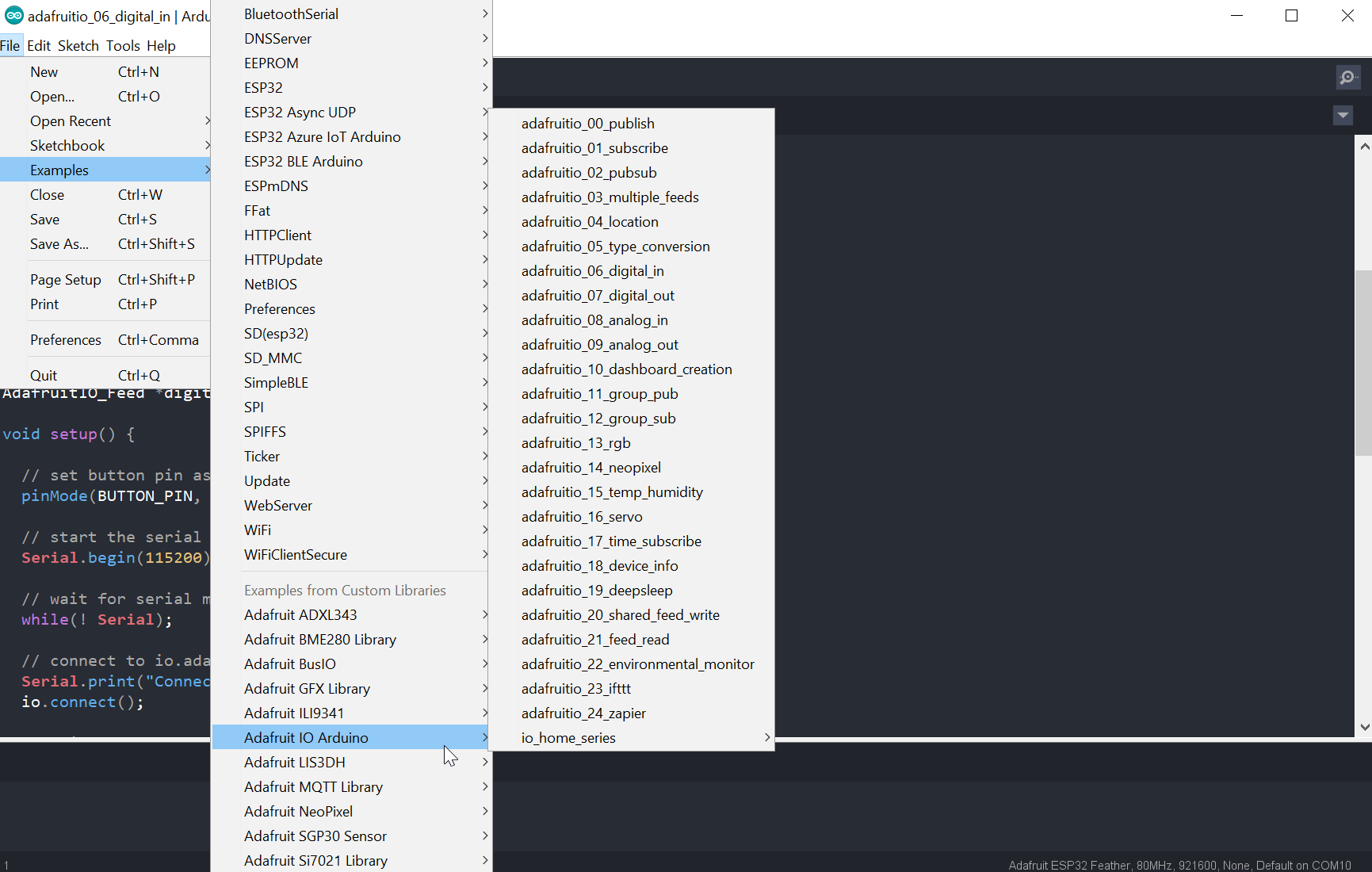 L7: Internet of Things - Physical Computing
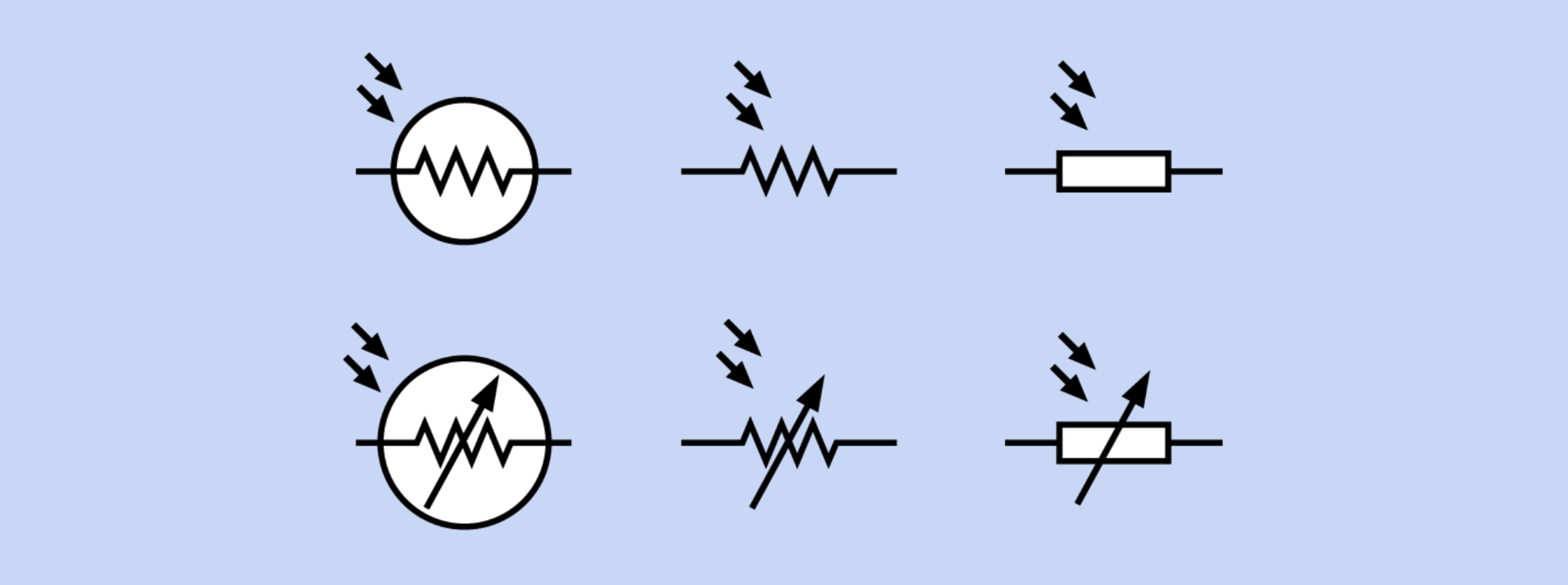 Photoresistors - Physical Computing
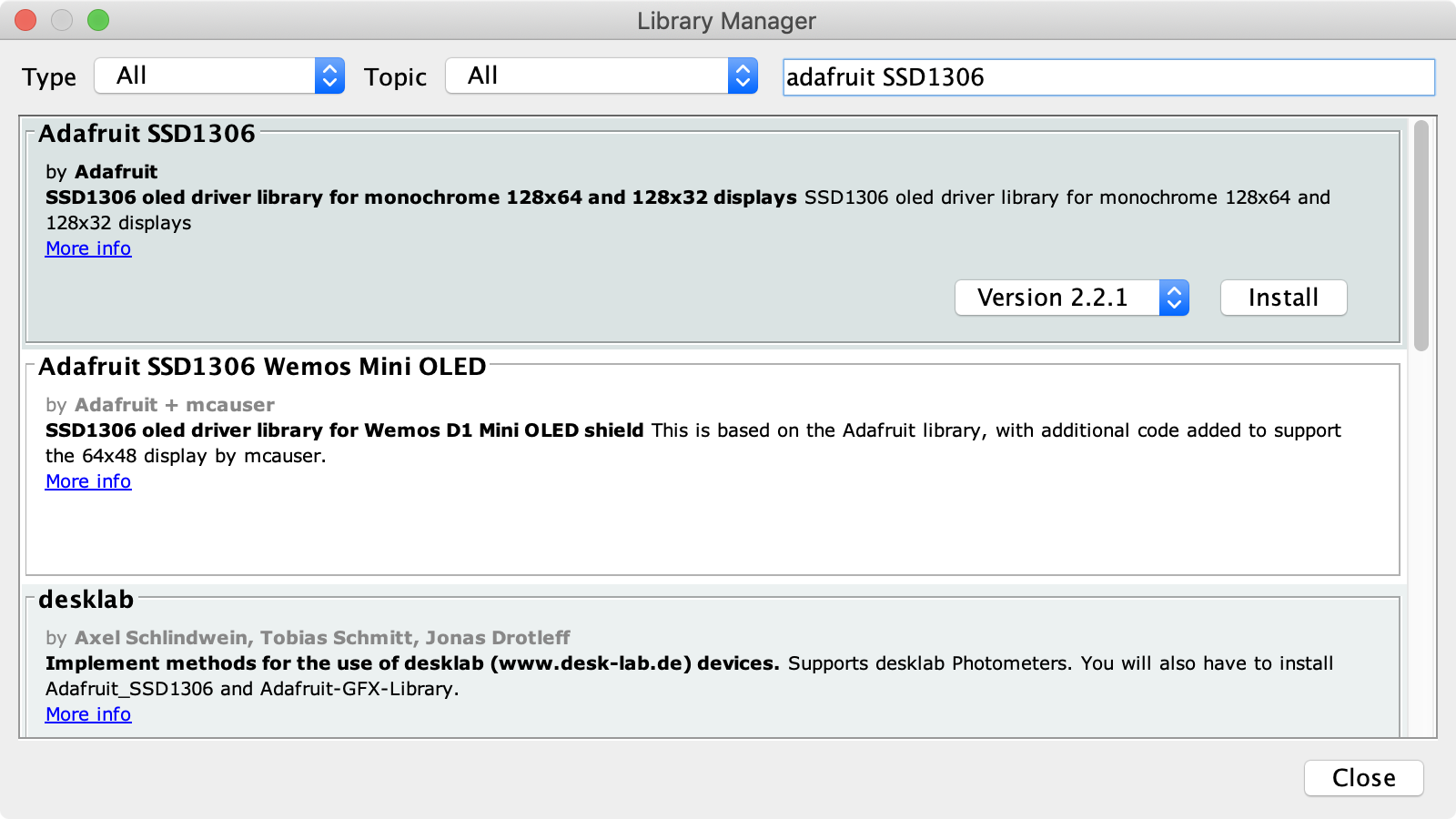 L1: Turning on an OLED - Physical Computing
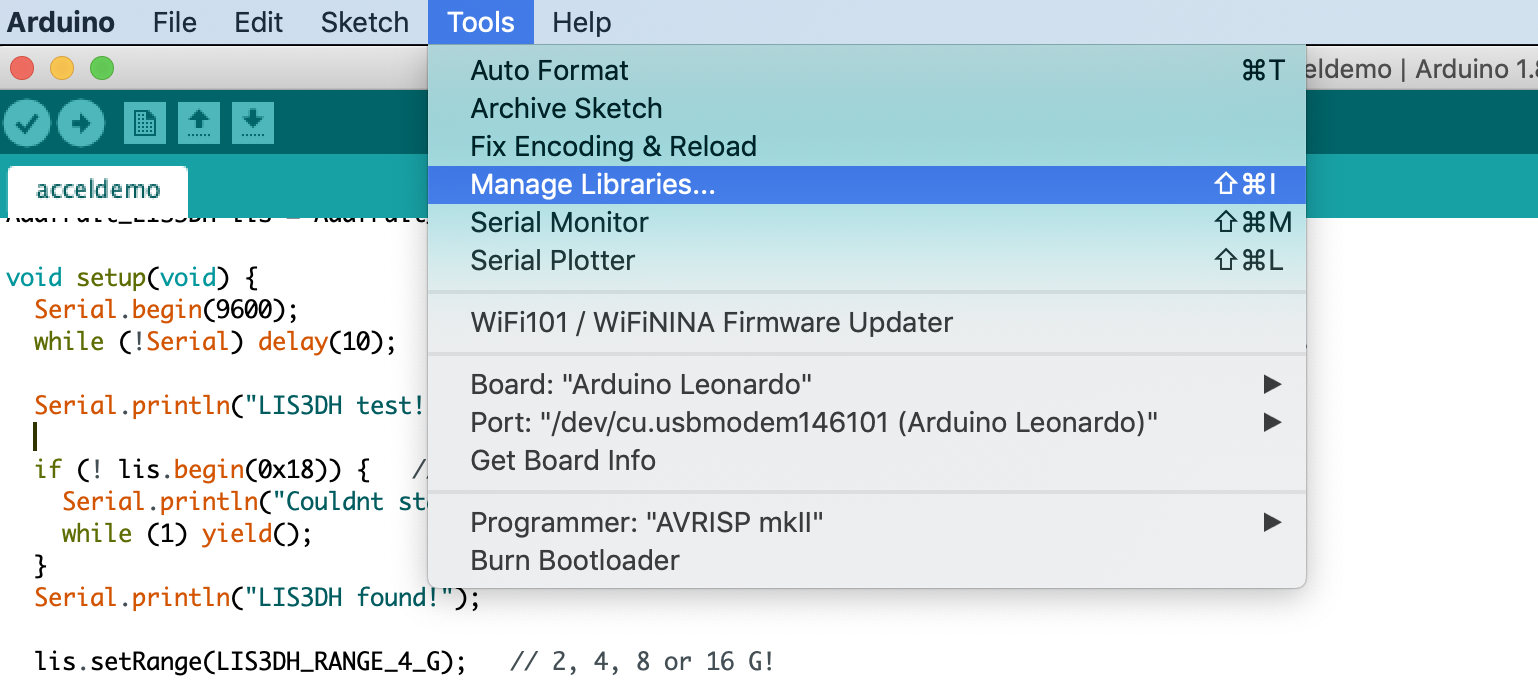 L1: Turning on an OLED - Physical Computing
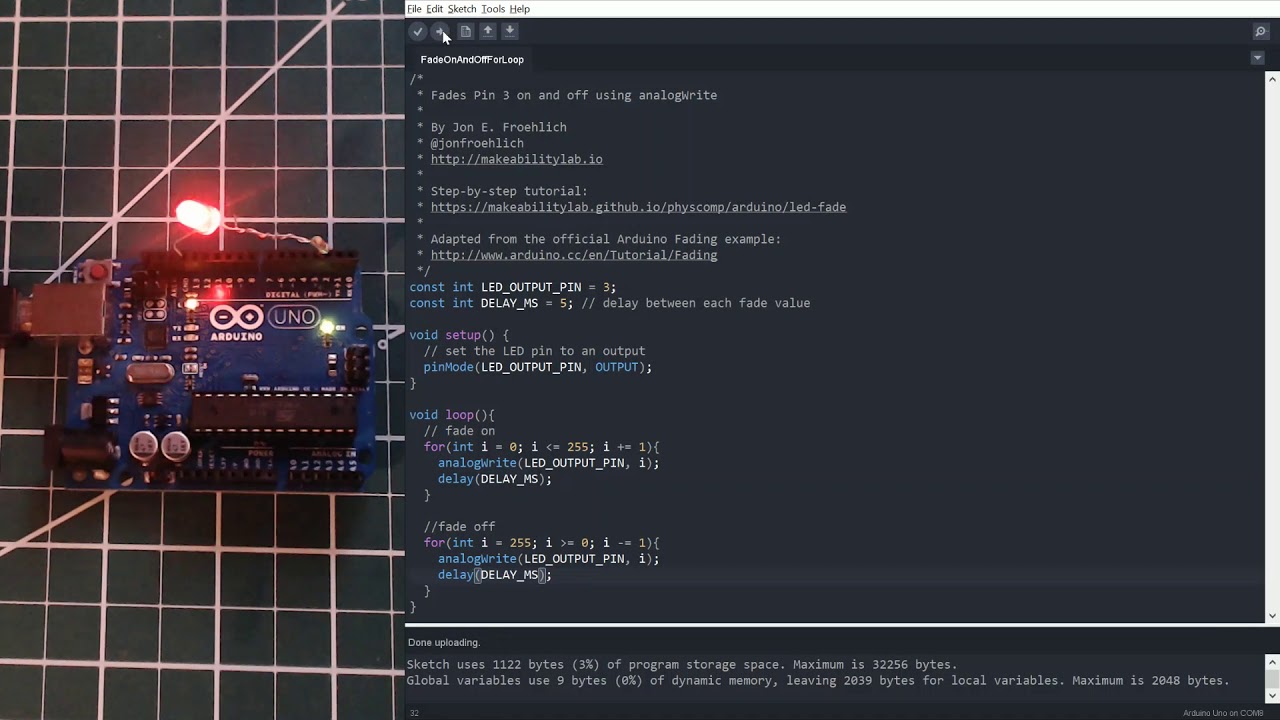 L4: Fading an LED - Physical Computing
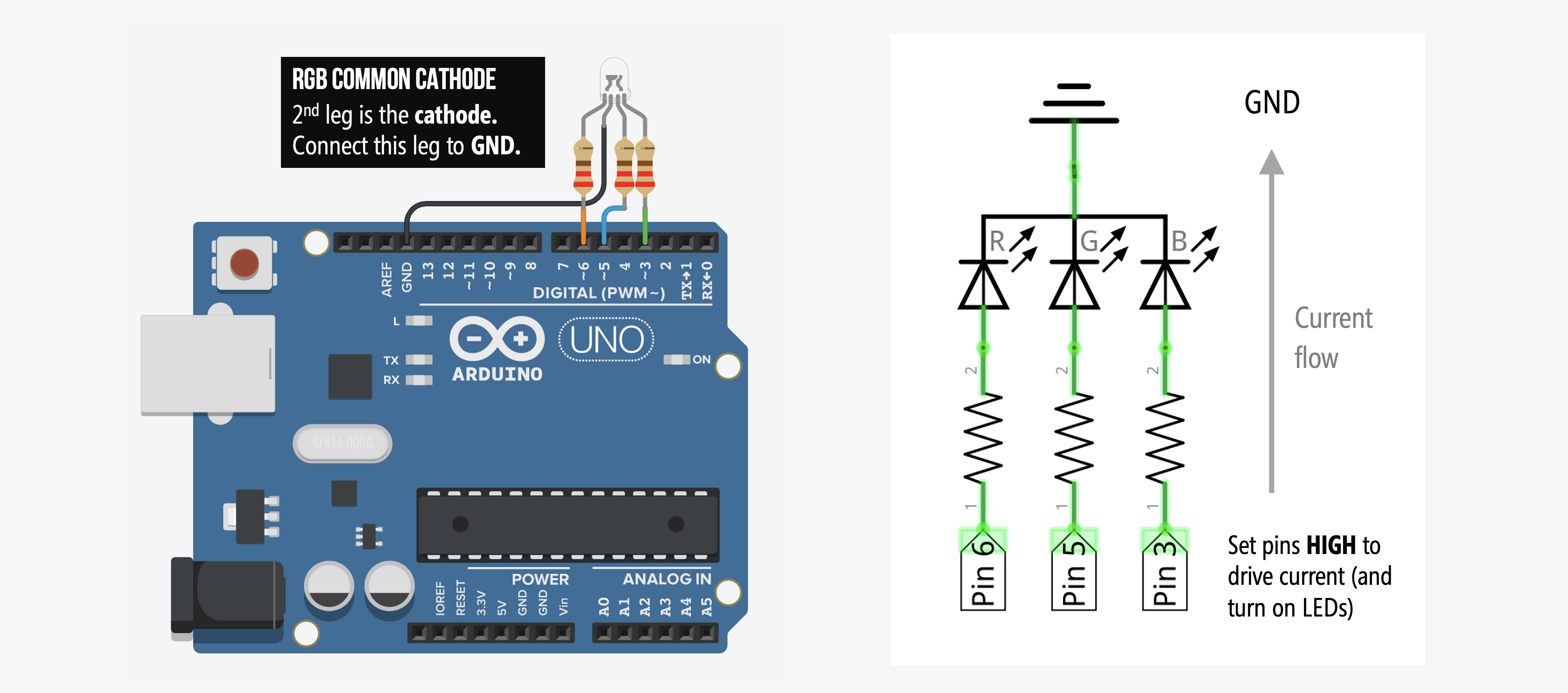 L6: RGB LEDs - Physical Computing
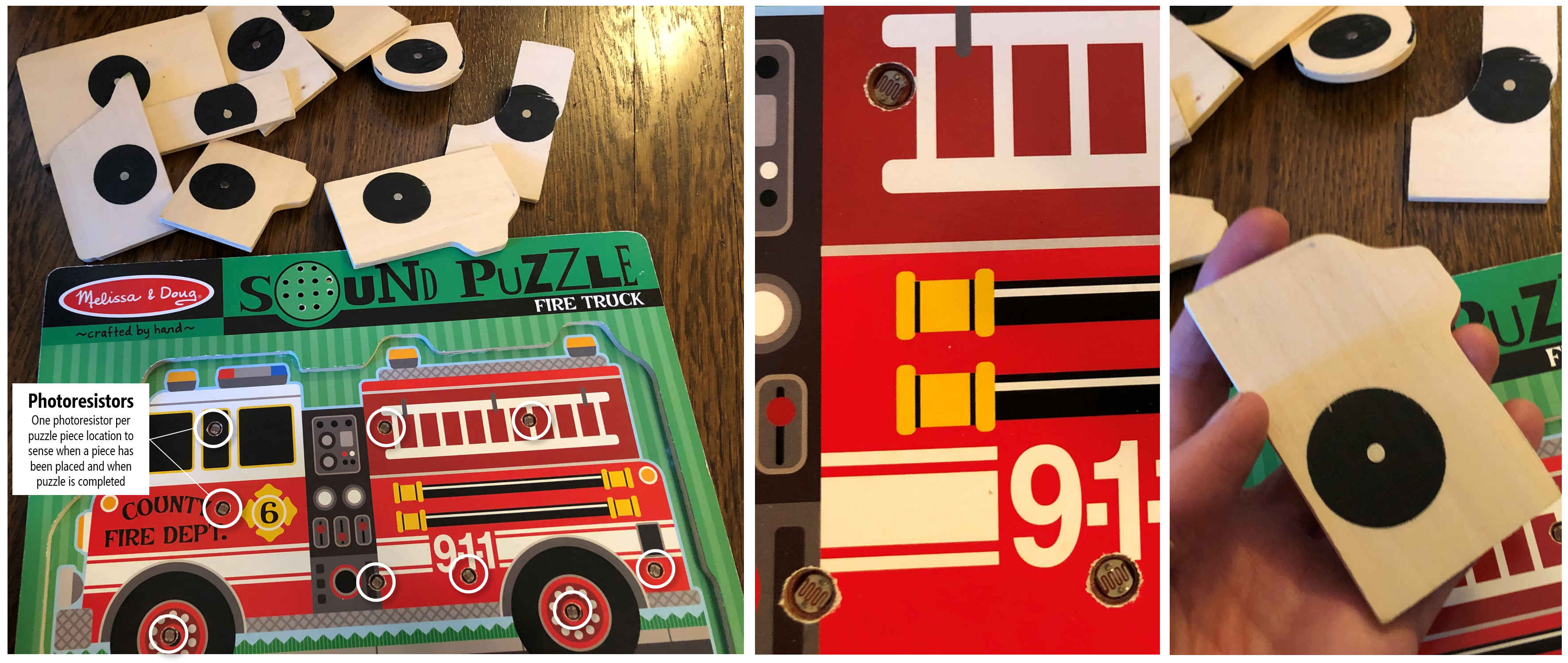 Photoresistors - Physical Computing
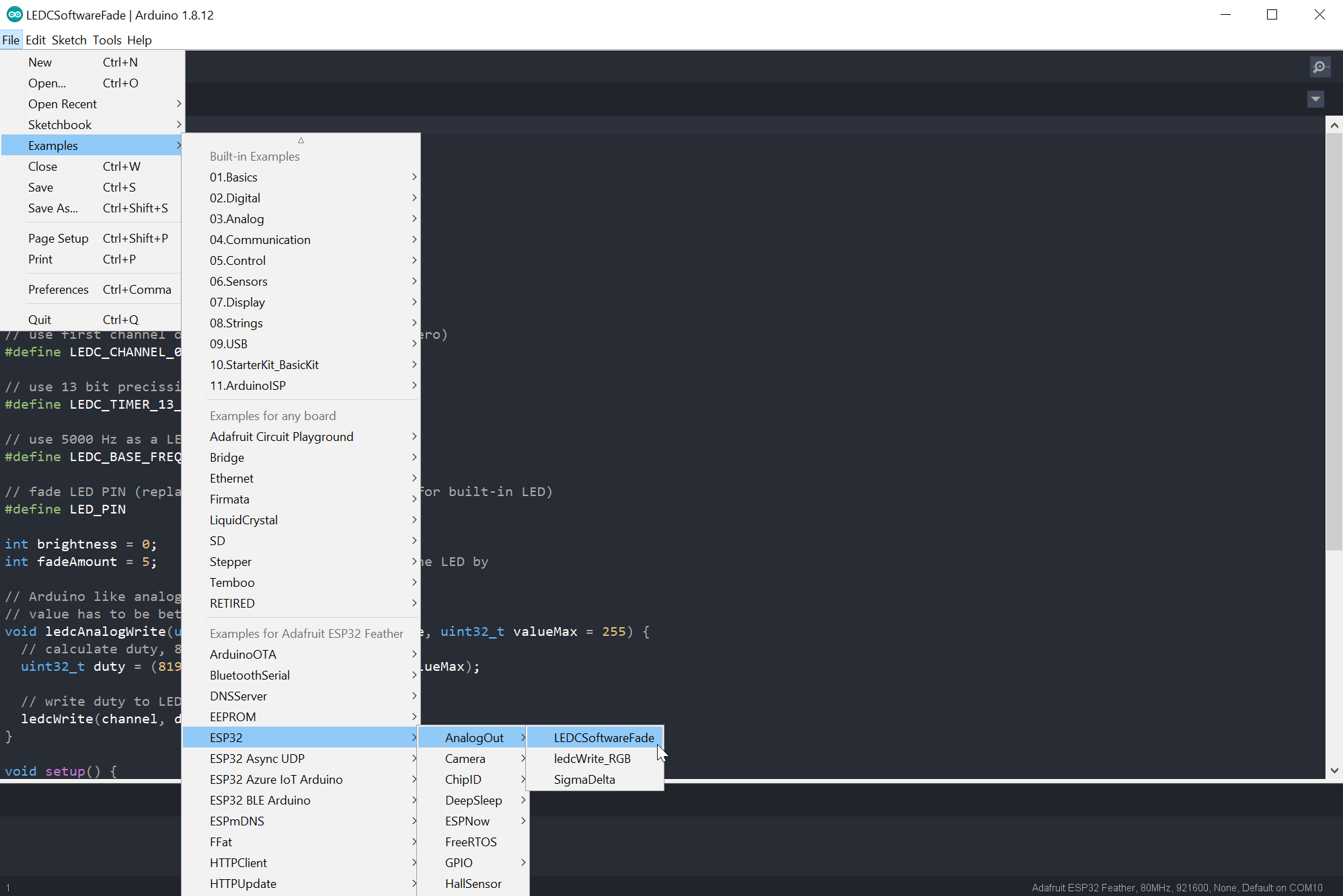 L3: Fading an LED with PWM - Physical Computing
 L5: Blinking Two LEDs - Physical Computing
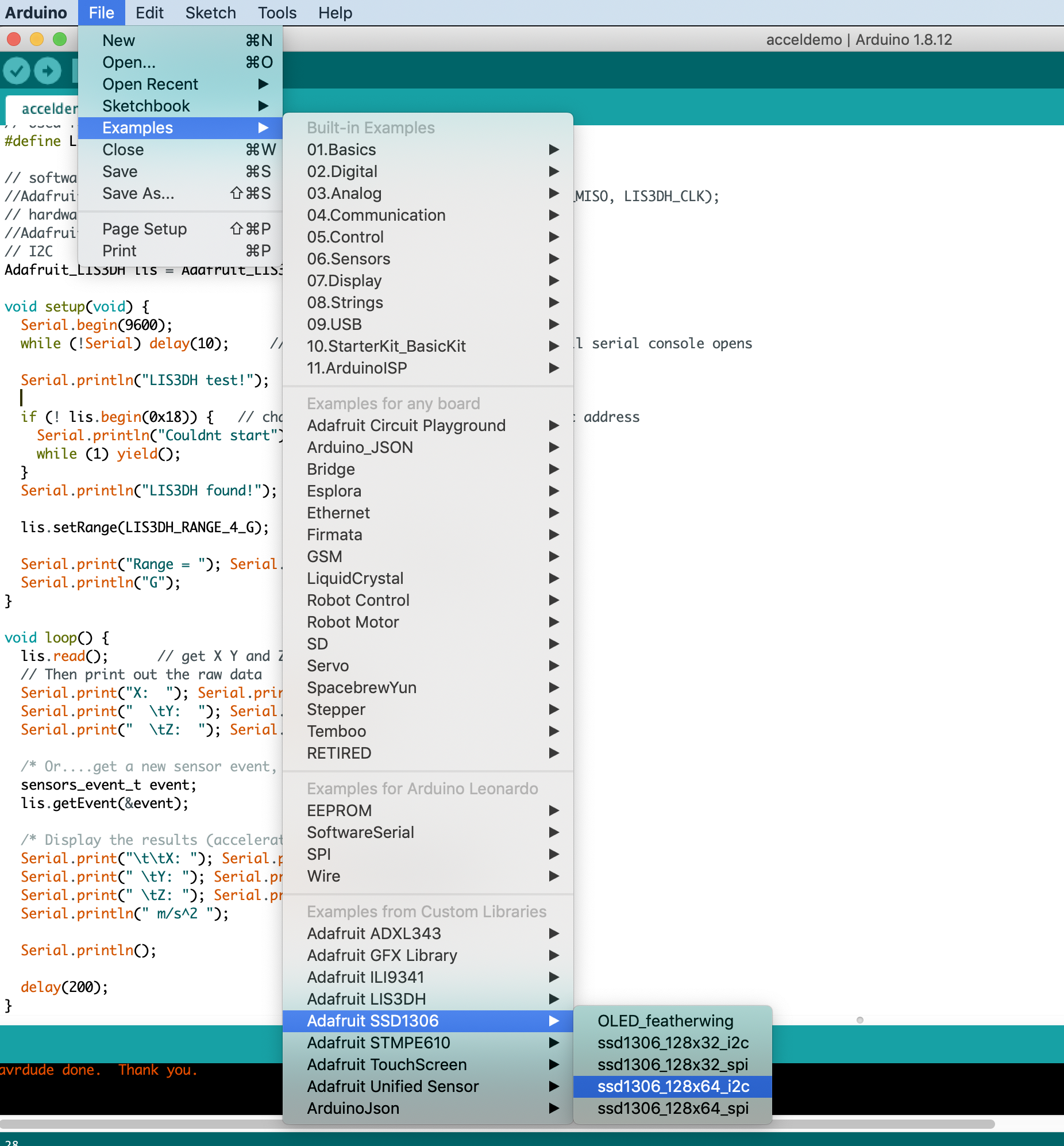 L1: Turning on an OLED - Physical Computing
 PWM graph needs to be updated · Issue #11 · makeabilitylab/physcomp · GitHub
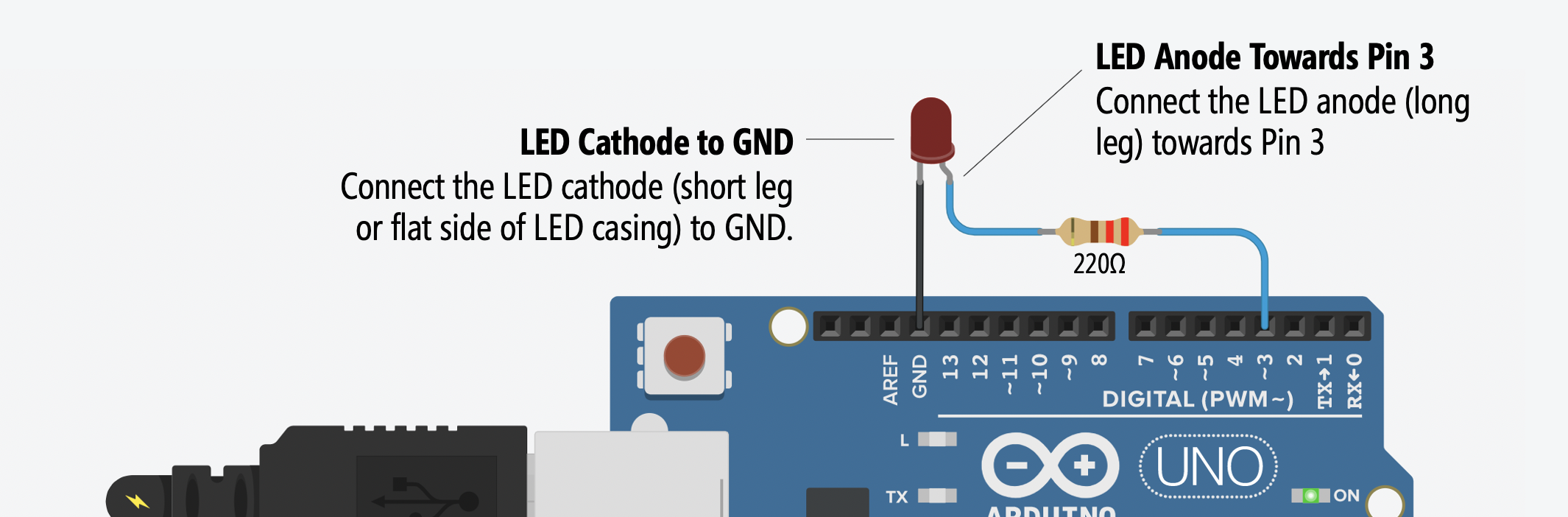 L4: Fading an LED - Physical Computing
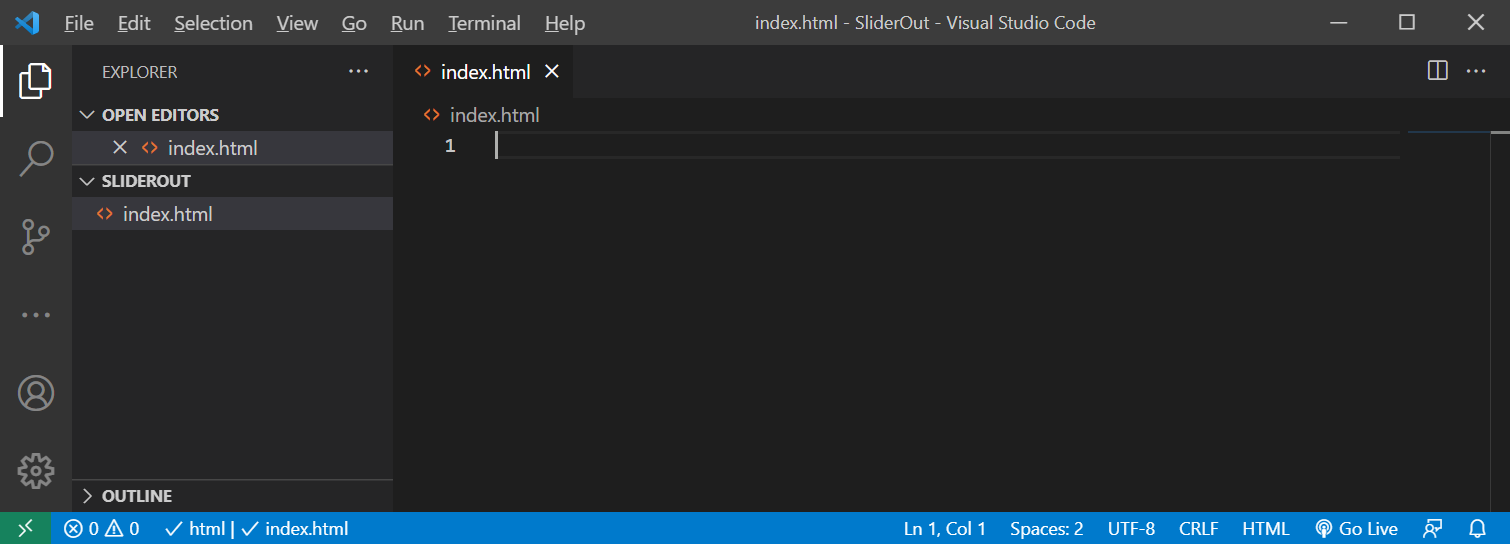 L2: Web Serial - Physical Computing
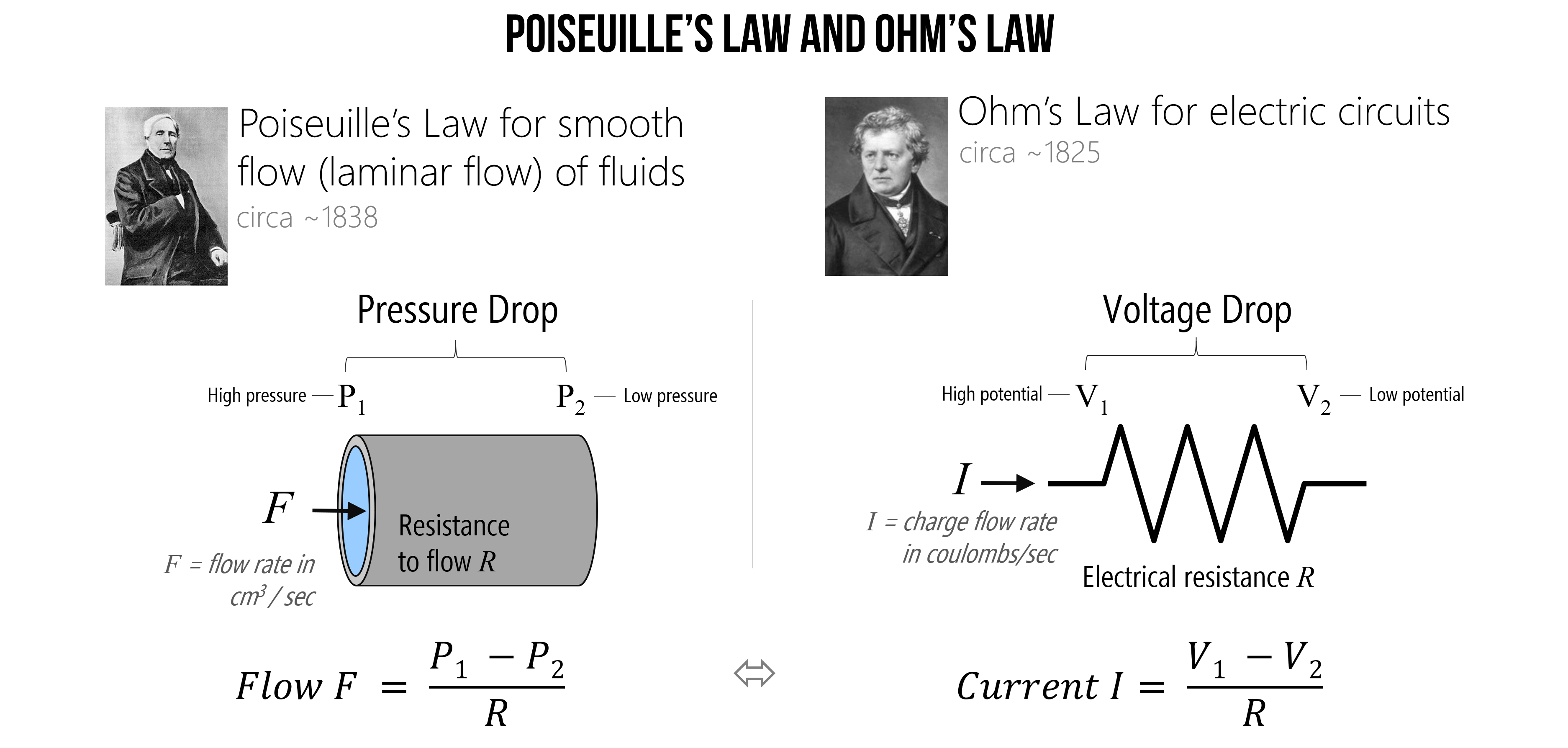 L3: Ohm's Law - Physical Computing
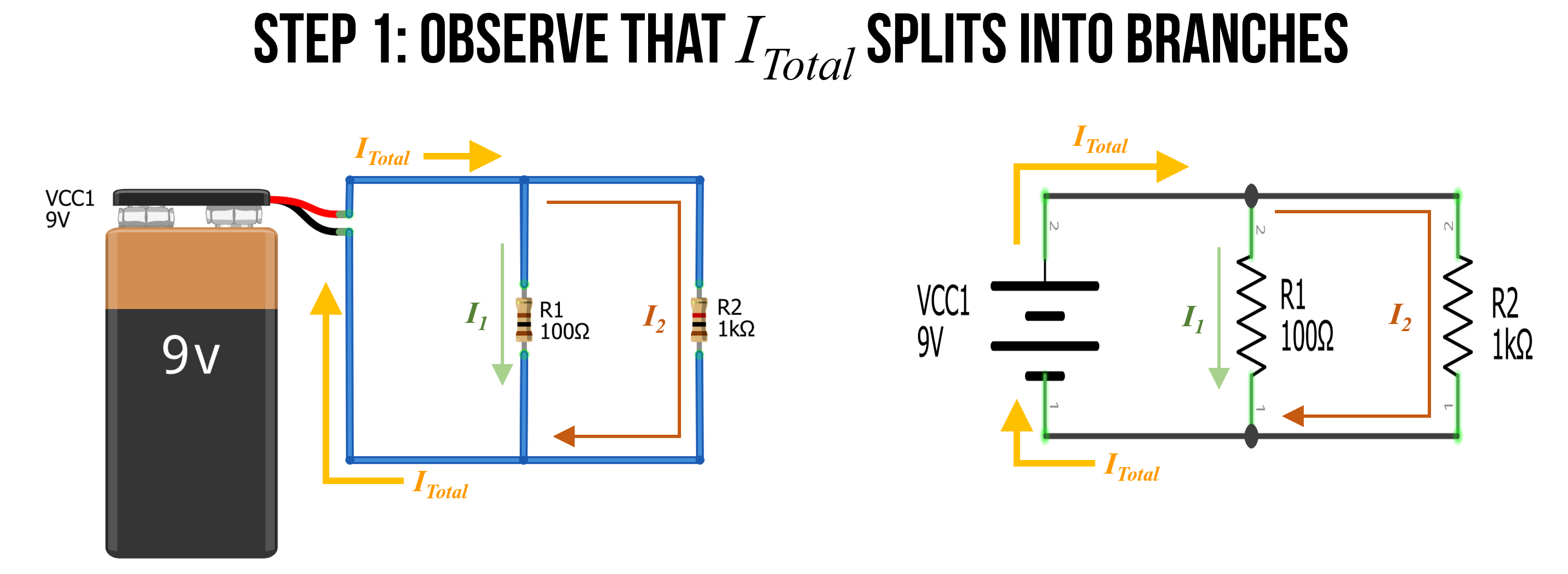 L4: Series and Parallel Resistors - Physical Computing
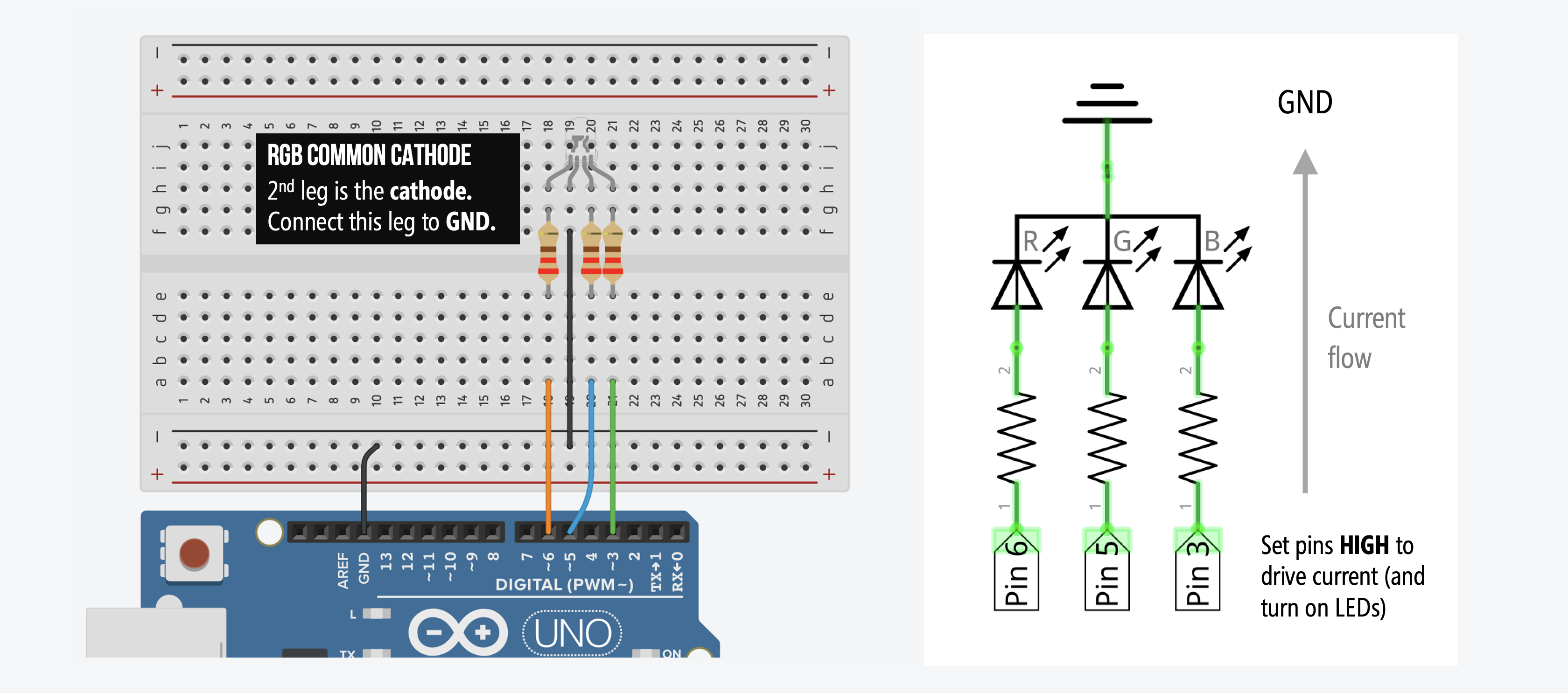 L6: RGB LEDs - Physical Computing
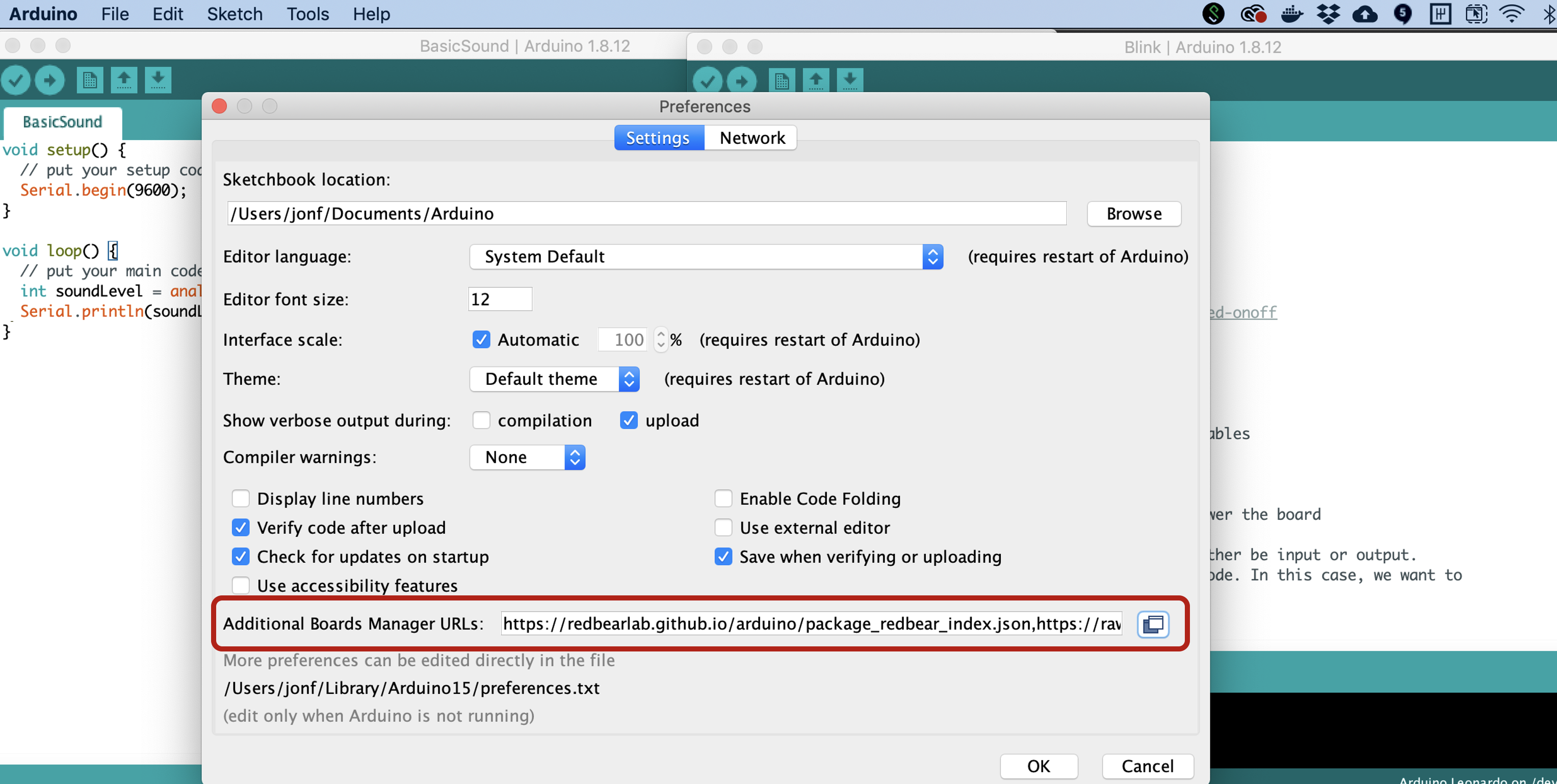 L1: Intro to the ESP32 - Physical Computing
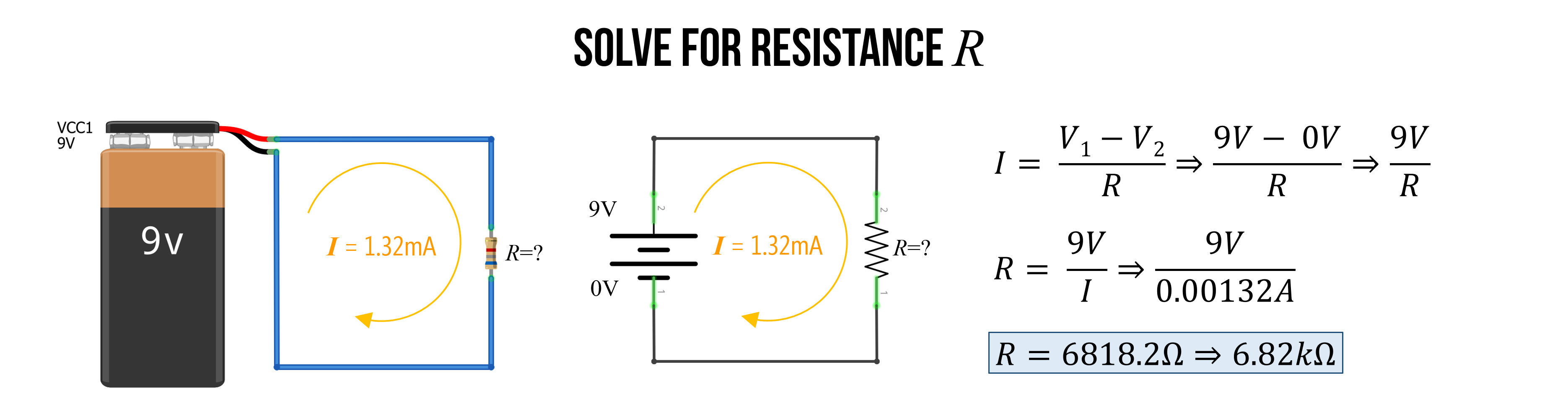 L3: Ohm's Law - Physical Computing
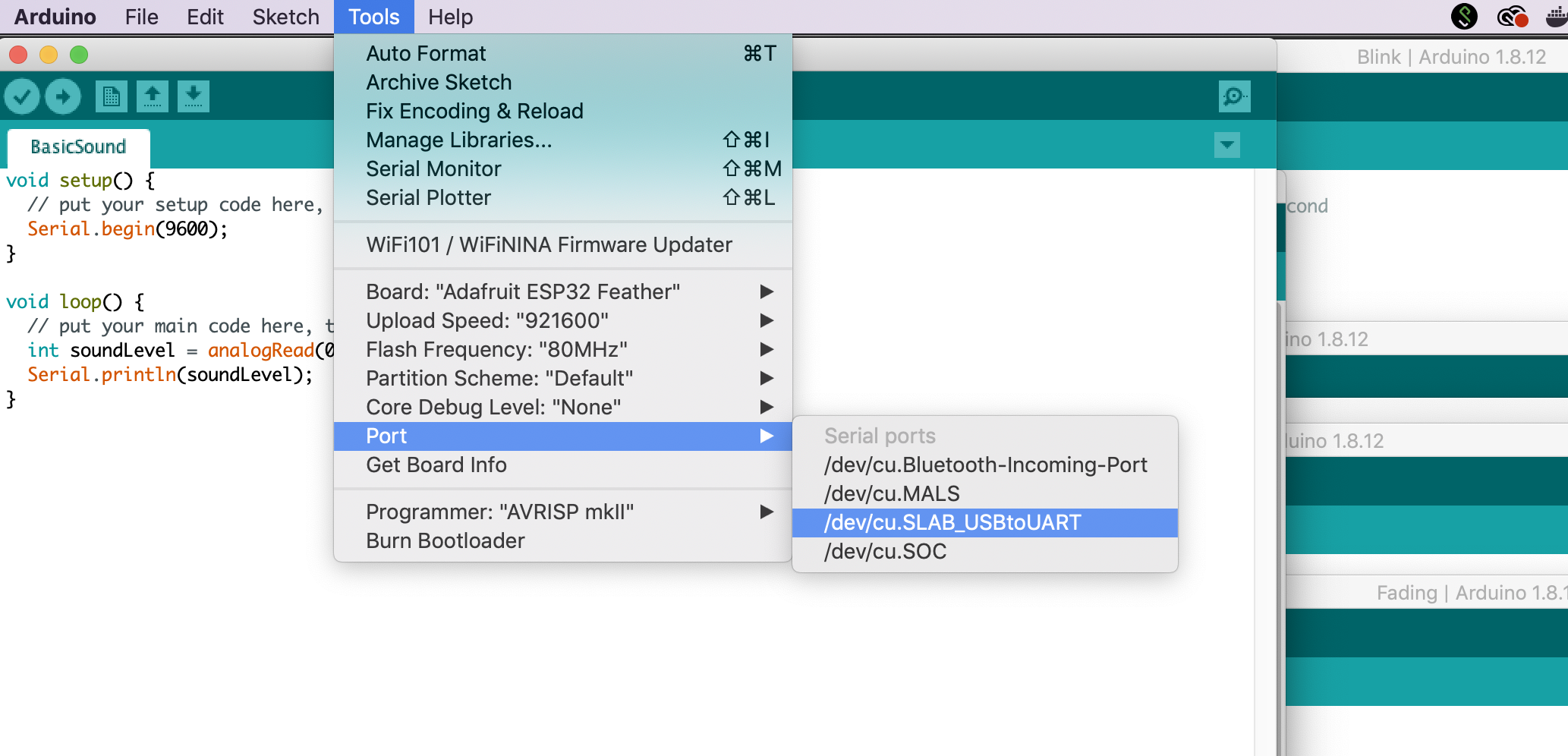 L1: Intro to the ESP32 - Physical Computing
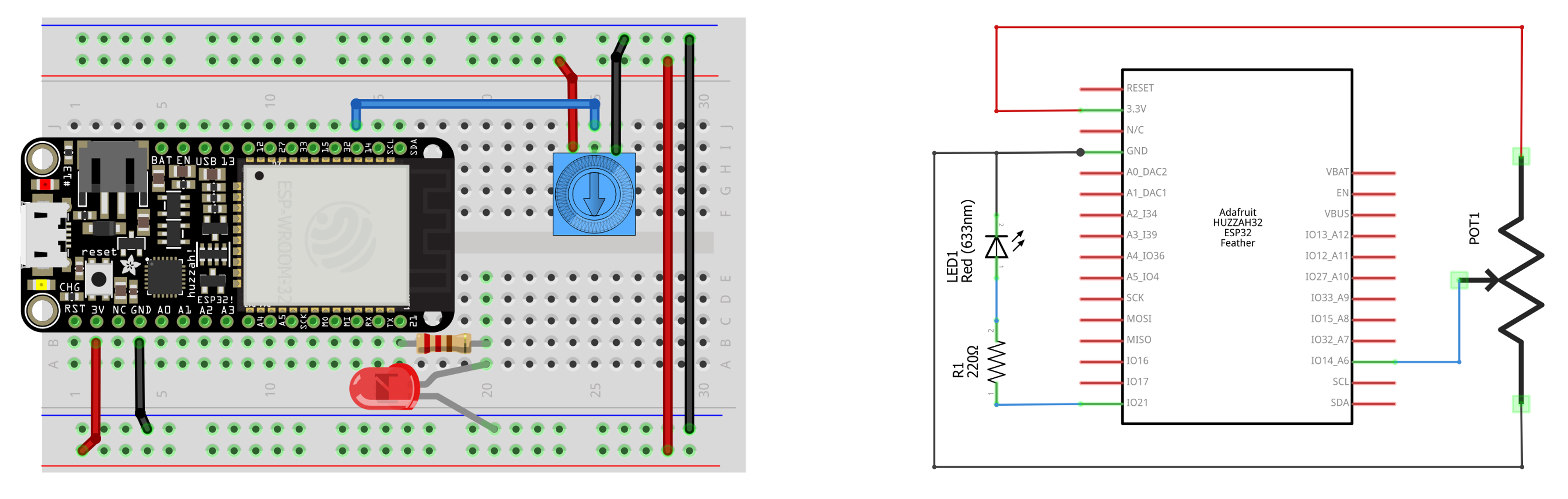 L4: Analog input - Physical Computing
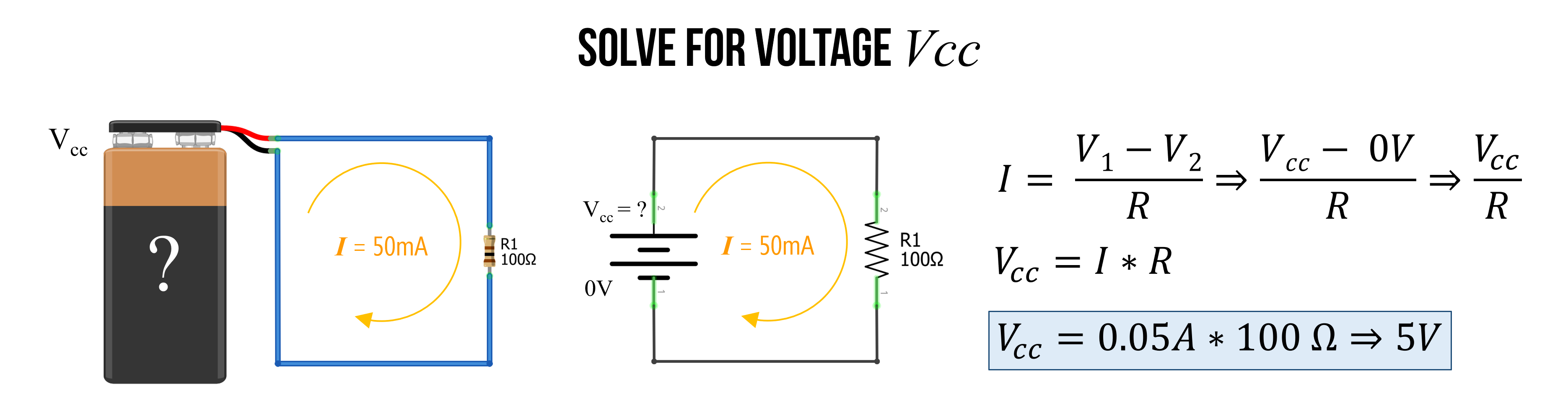 L3: Ohm's Law - Physical Computing
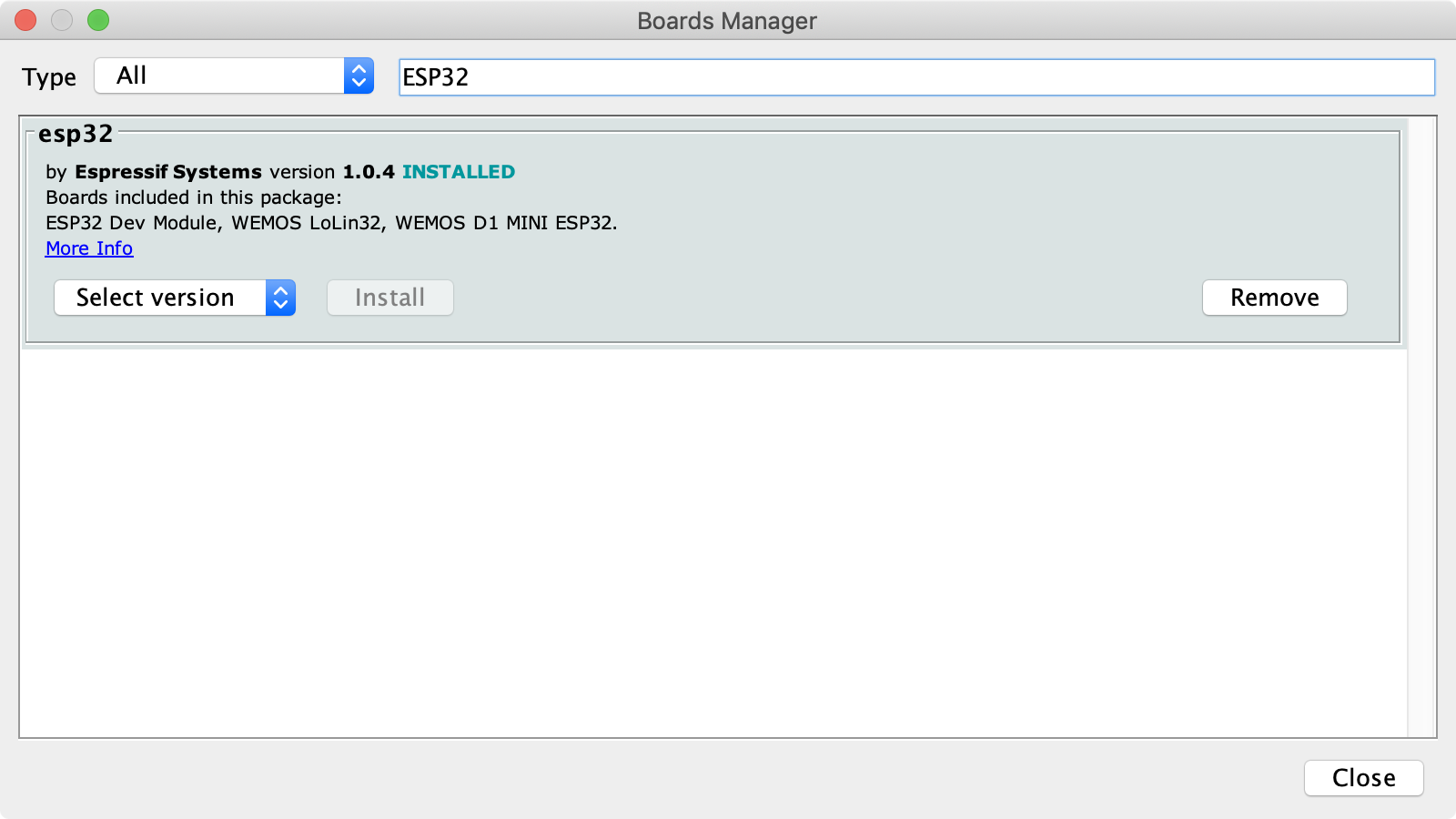 L1: Intro to the ESP32 - Physical Computing
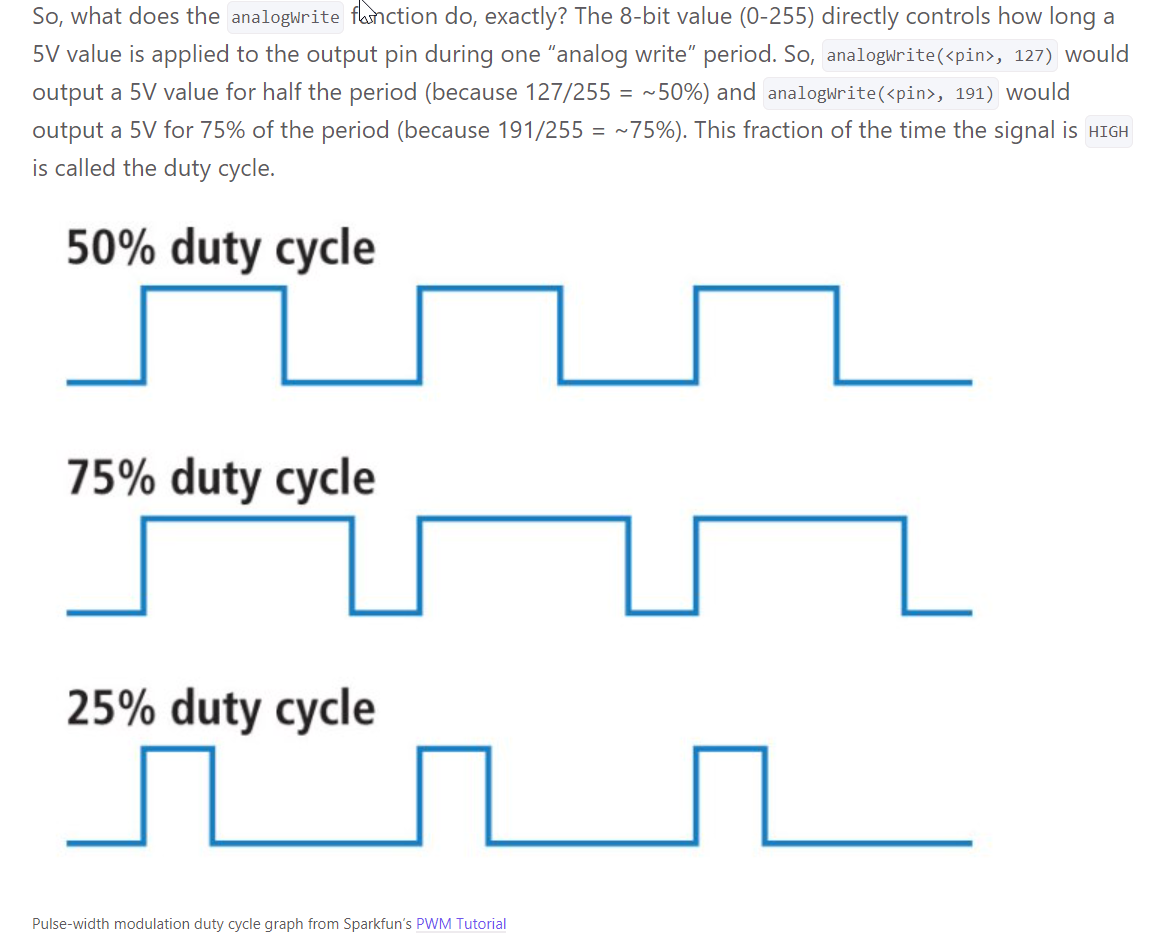 PWM graph needs to be updated · Issue #11 · makeabilitylab/physcomp · GitHub
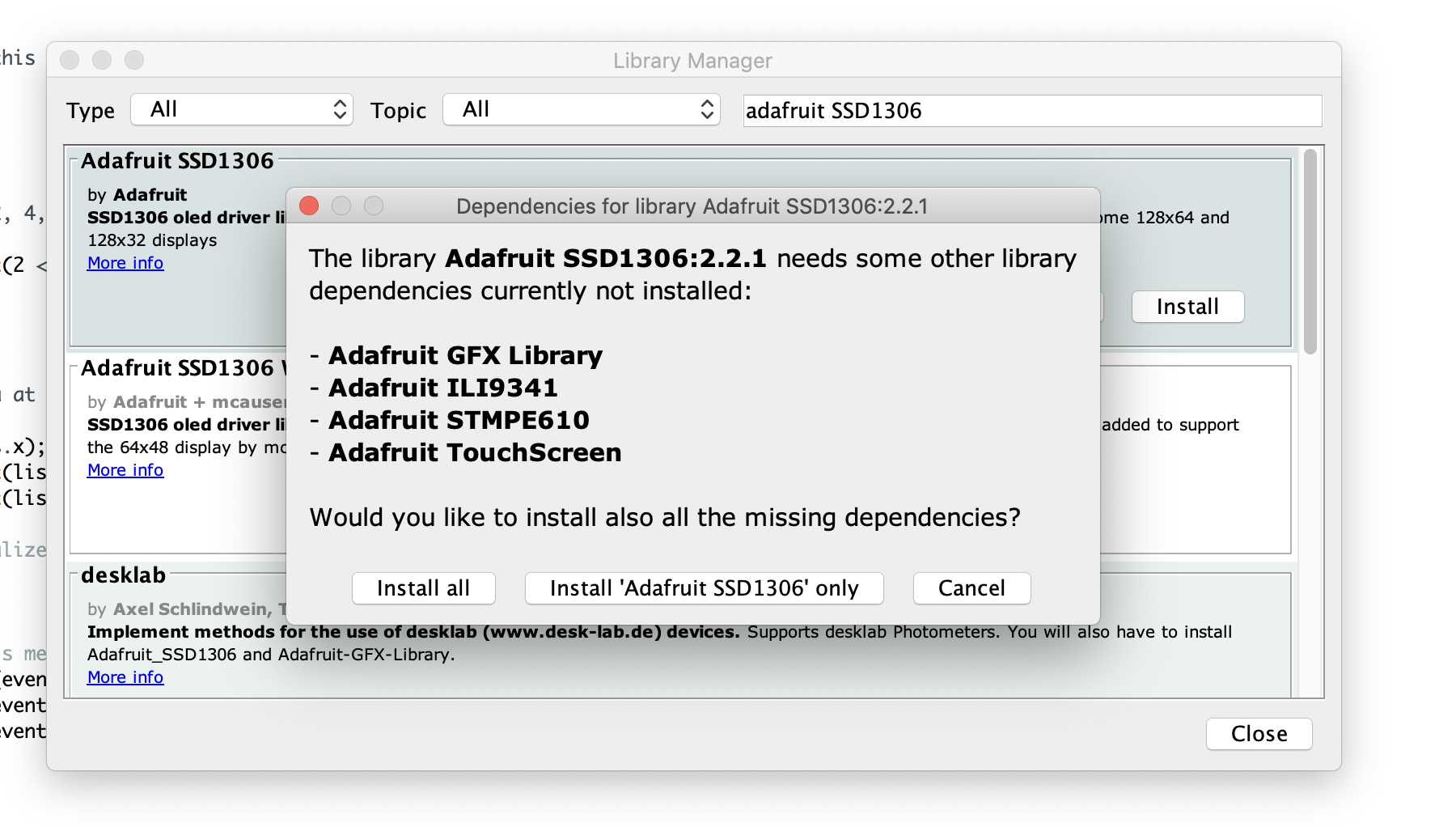 L1: Turning on an OLED - Physical Computing
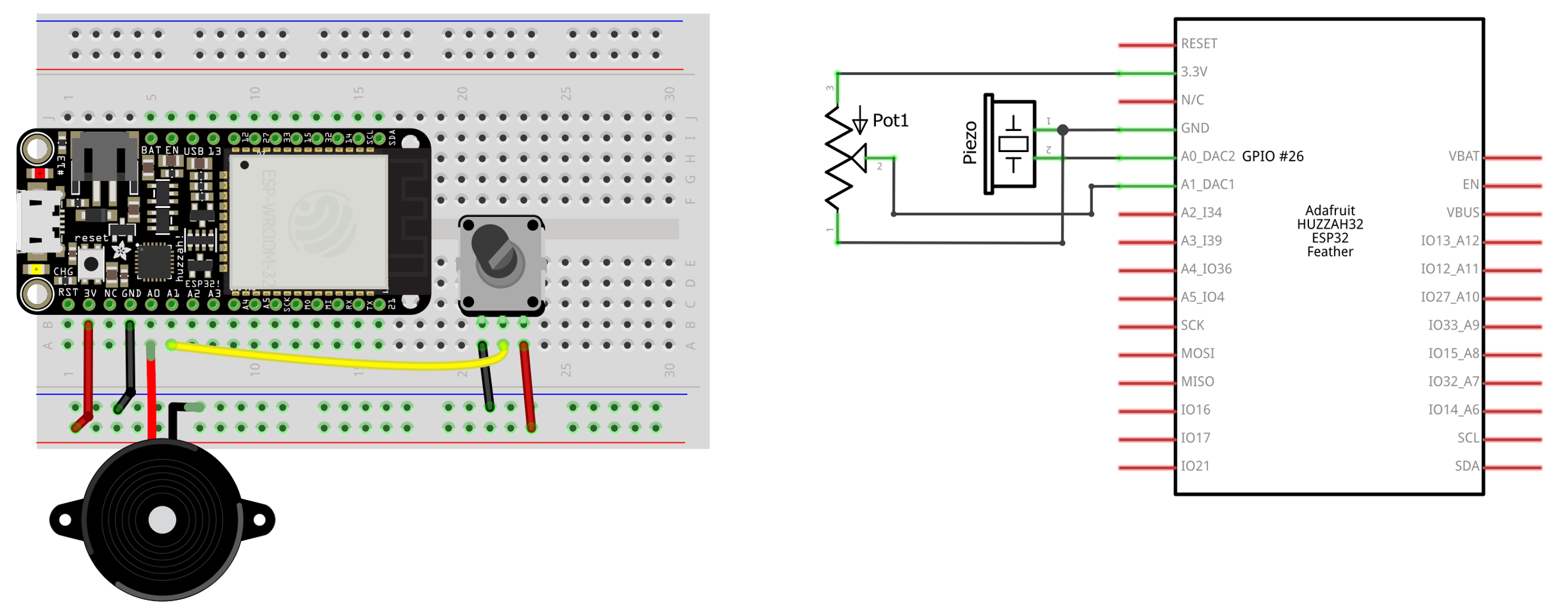 L5: Playing tones - Physical Computing
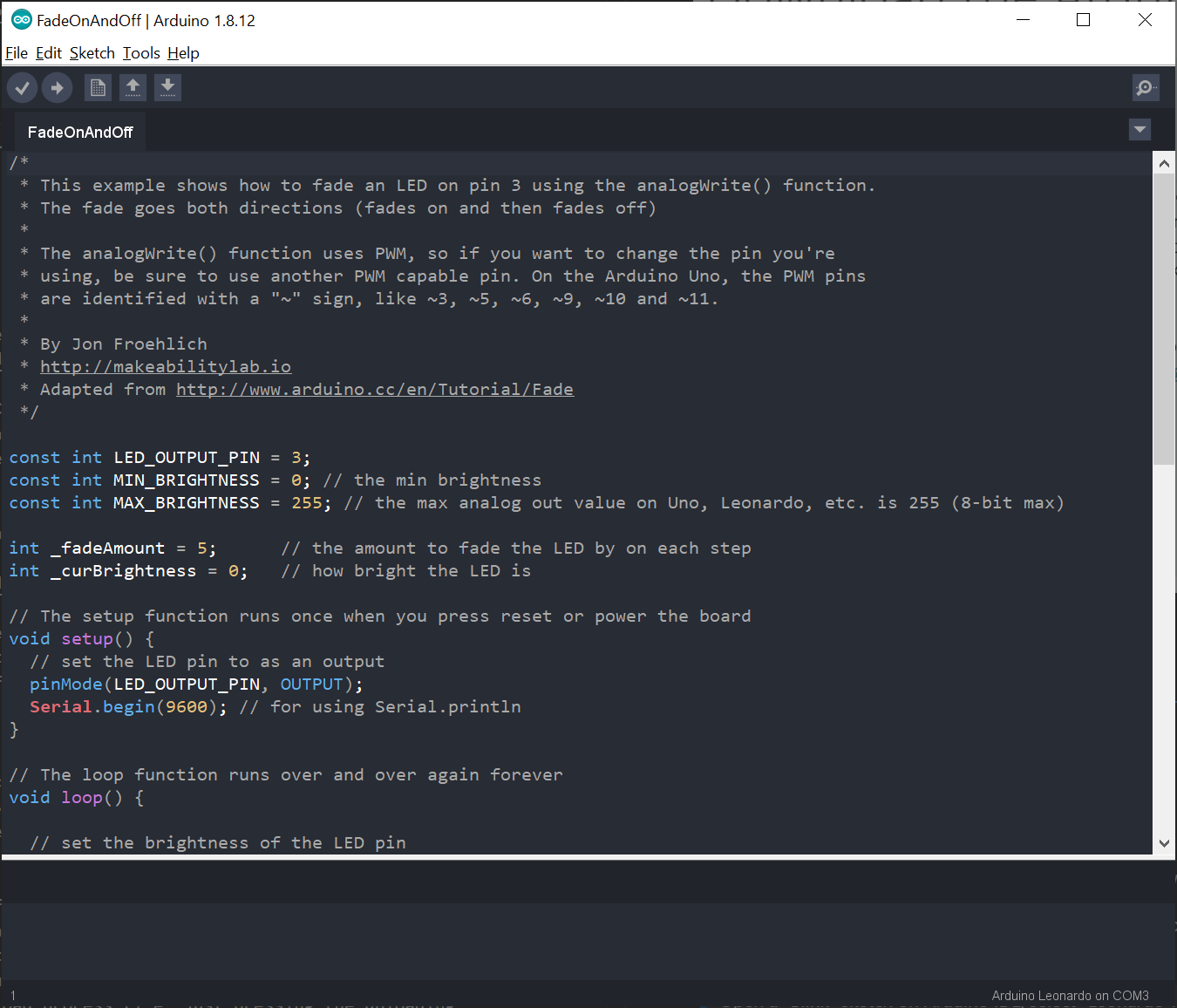 Arduino IDE - Physical Computing
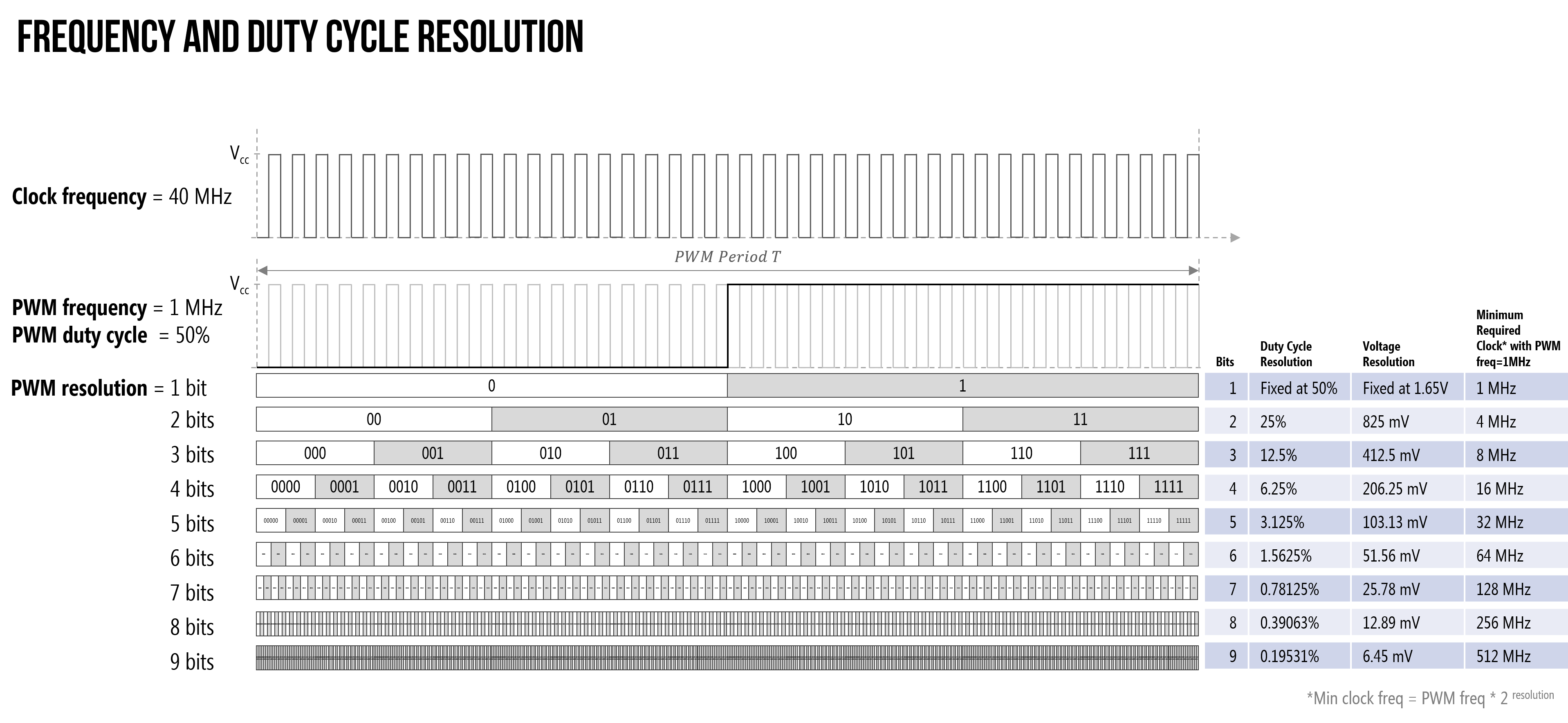 L3: Fading an LED with PWM - Physical ComputingL2: Programming with MakeCode - Physical Computing
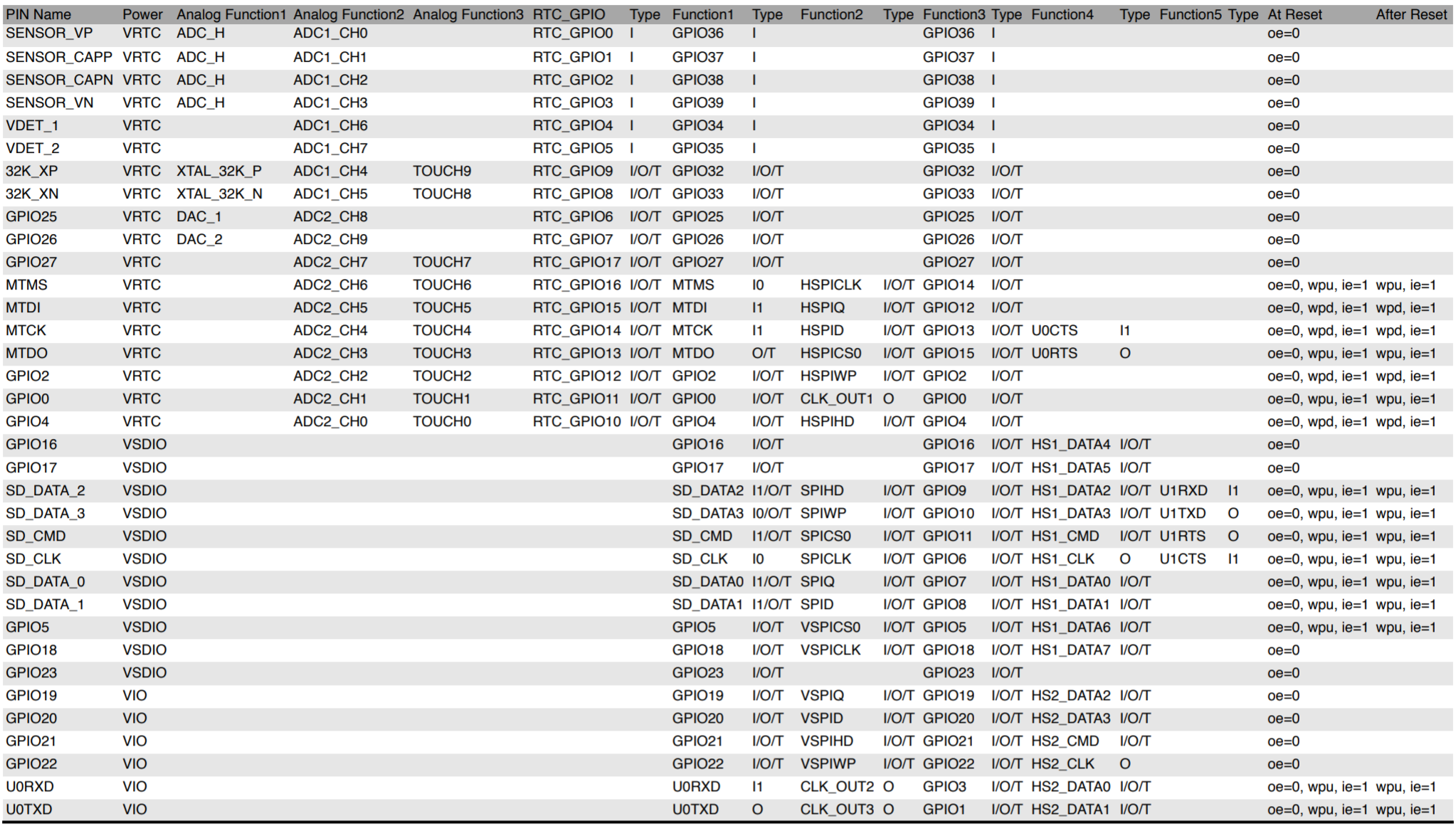 L1: Intro to the ESP32 - Physical Computing
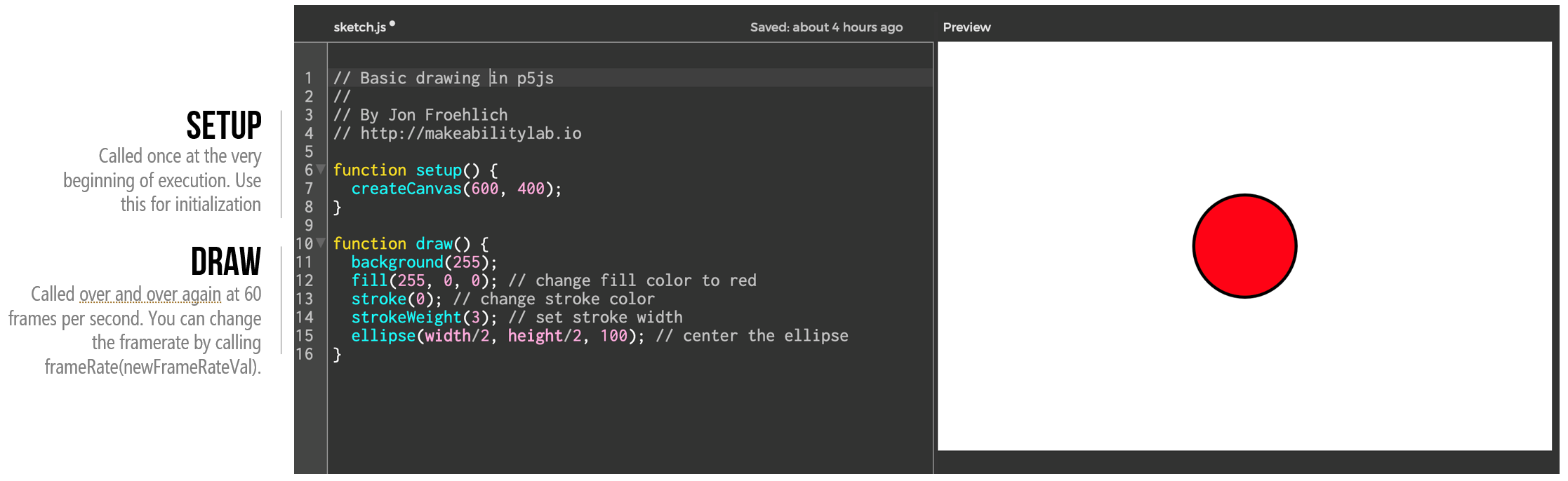 L3: p5.js Serial In - Physical Computing
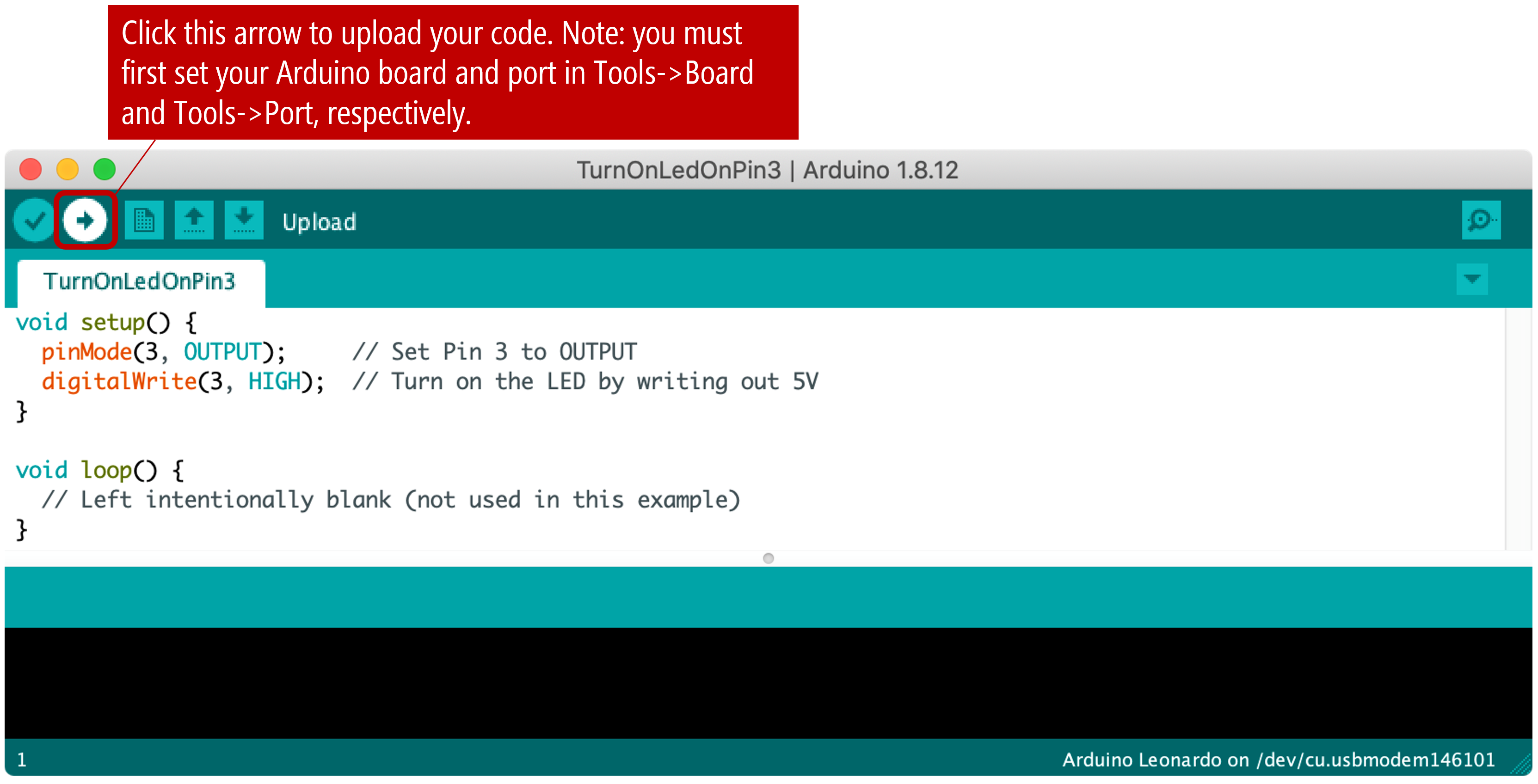 L2: Blinking an LED - Physical Computing
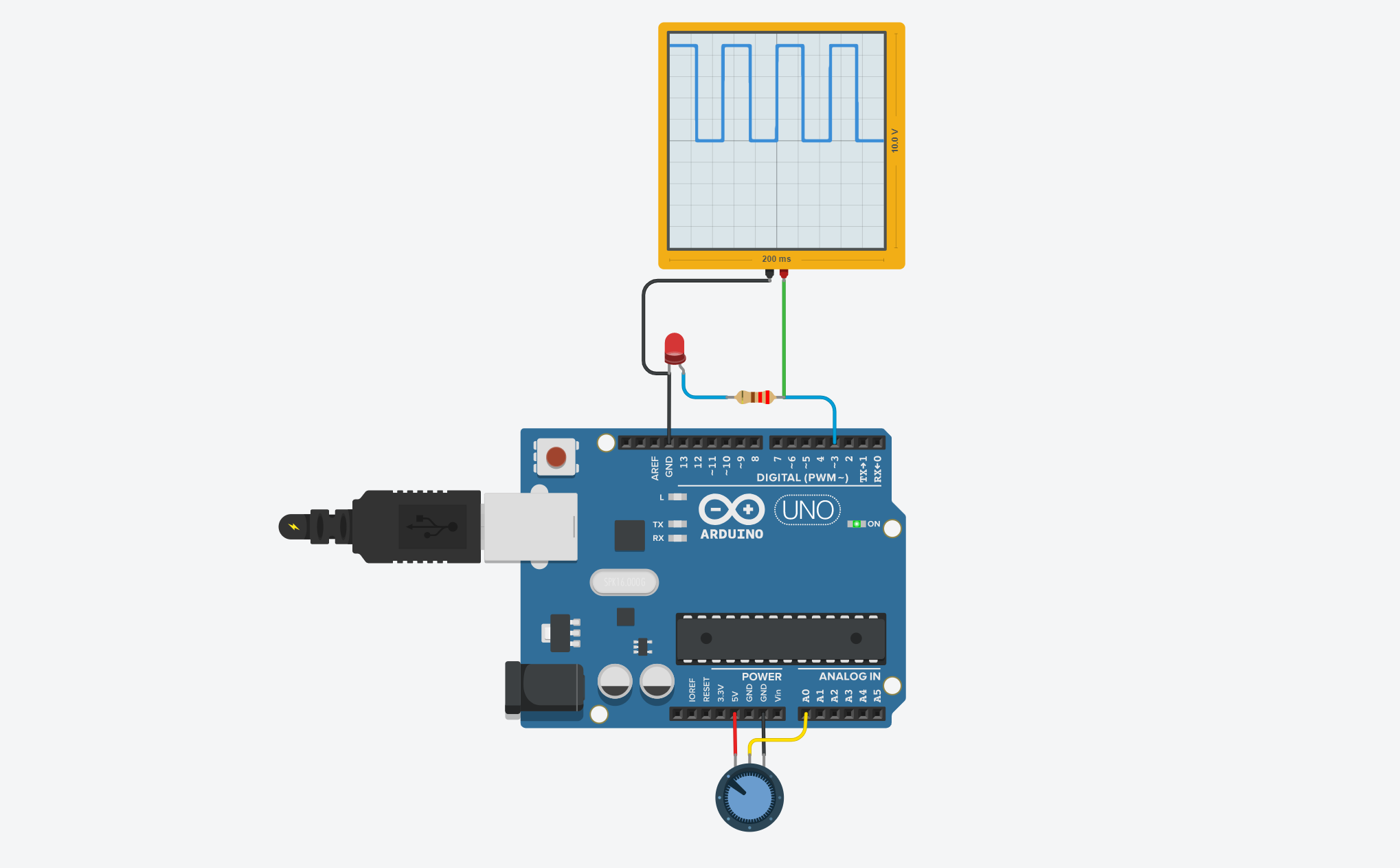 L2: Blinking an LED - Physical Computing
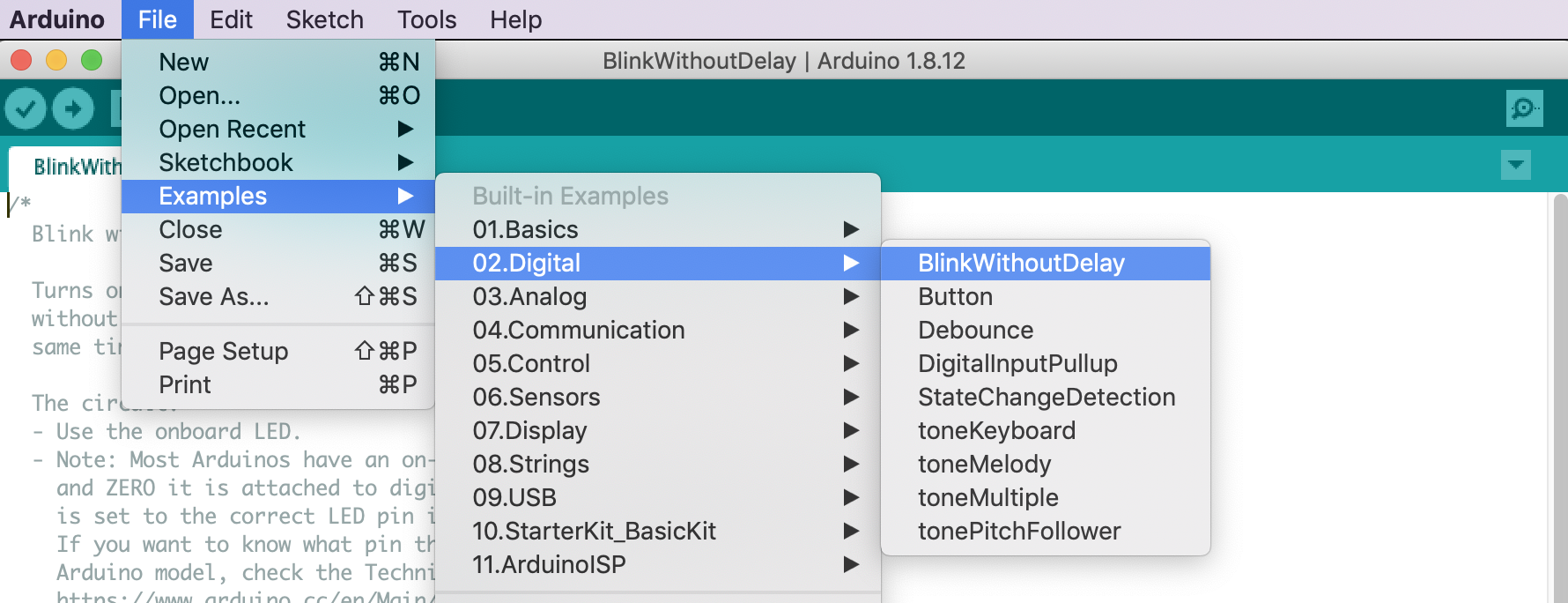 L2: Blinking an LED - Physical Computing
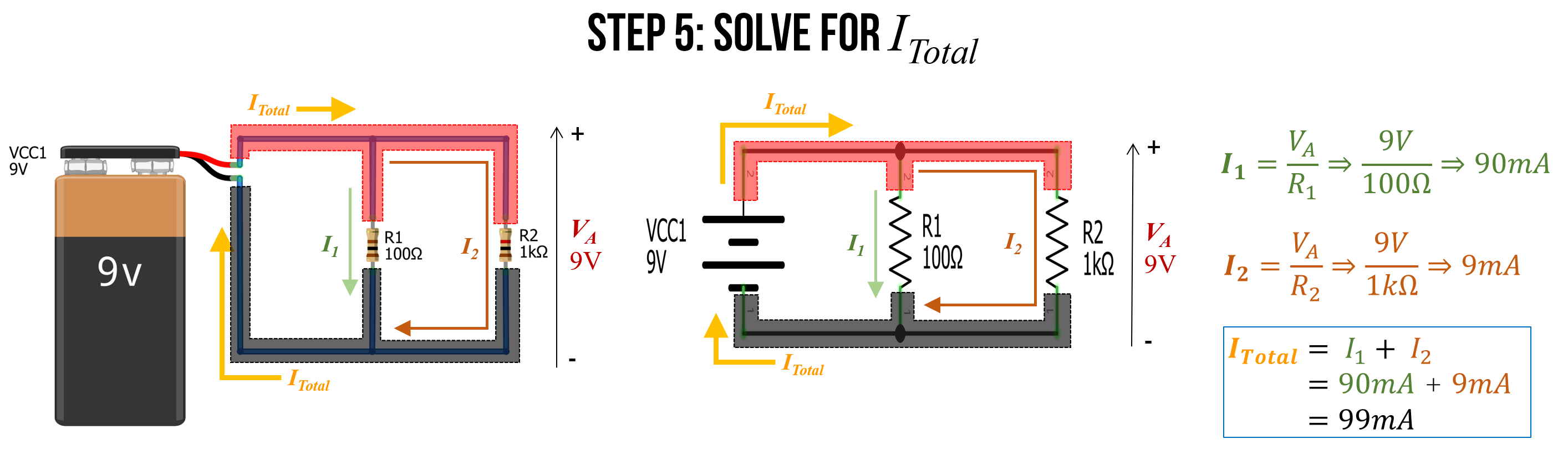 L4: Series and Parallel Resistors - Physical Computing
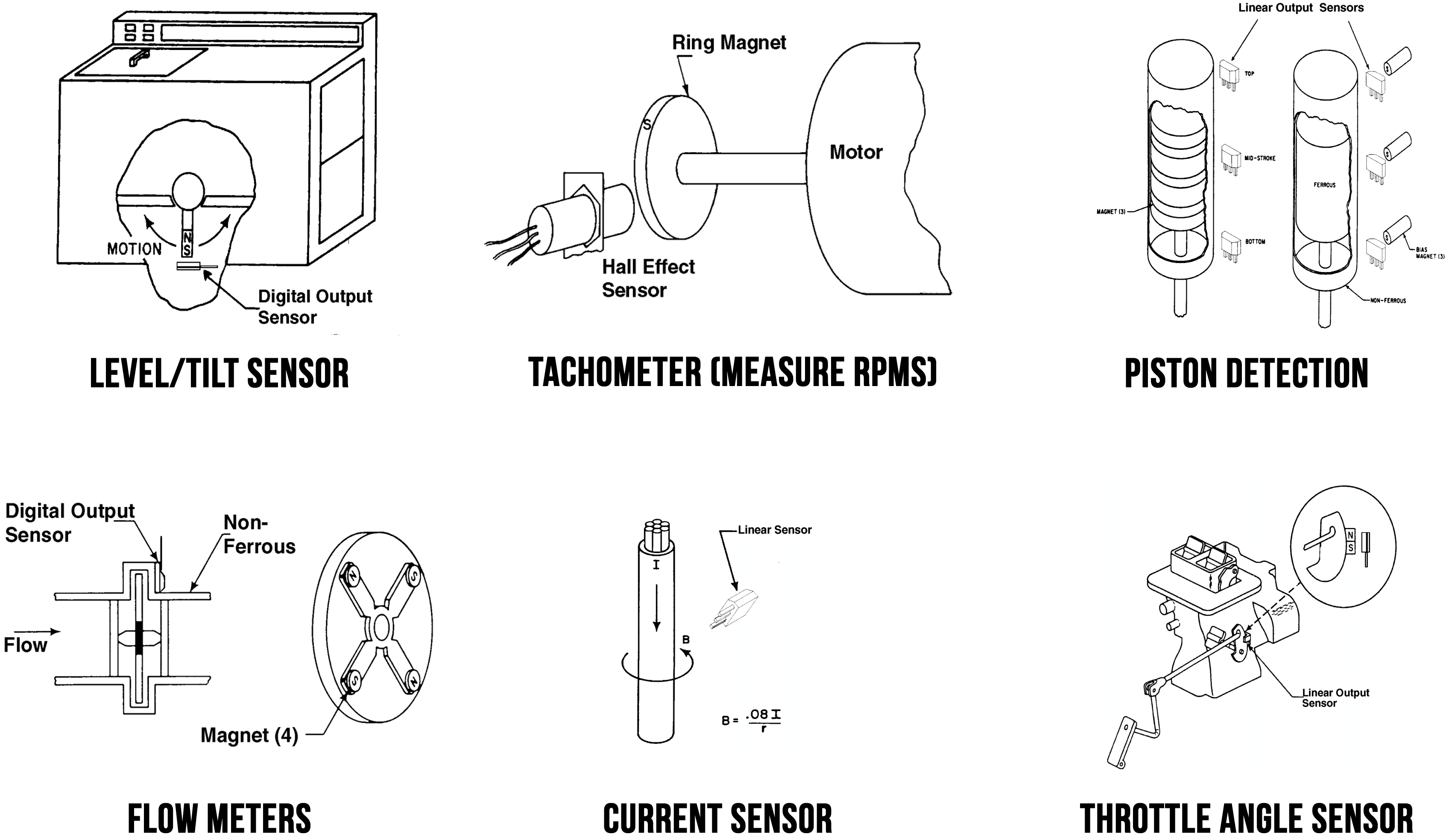 Hall Effect Sensors - Physical Computing
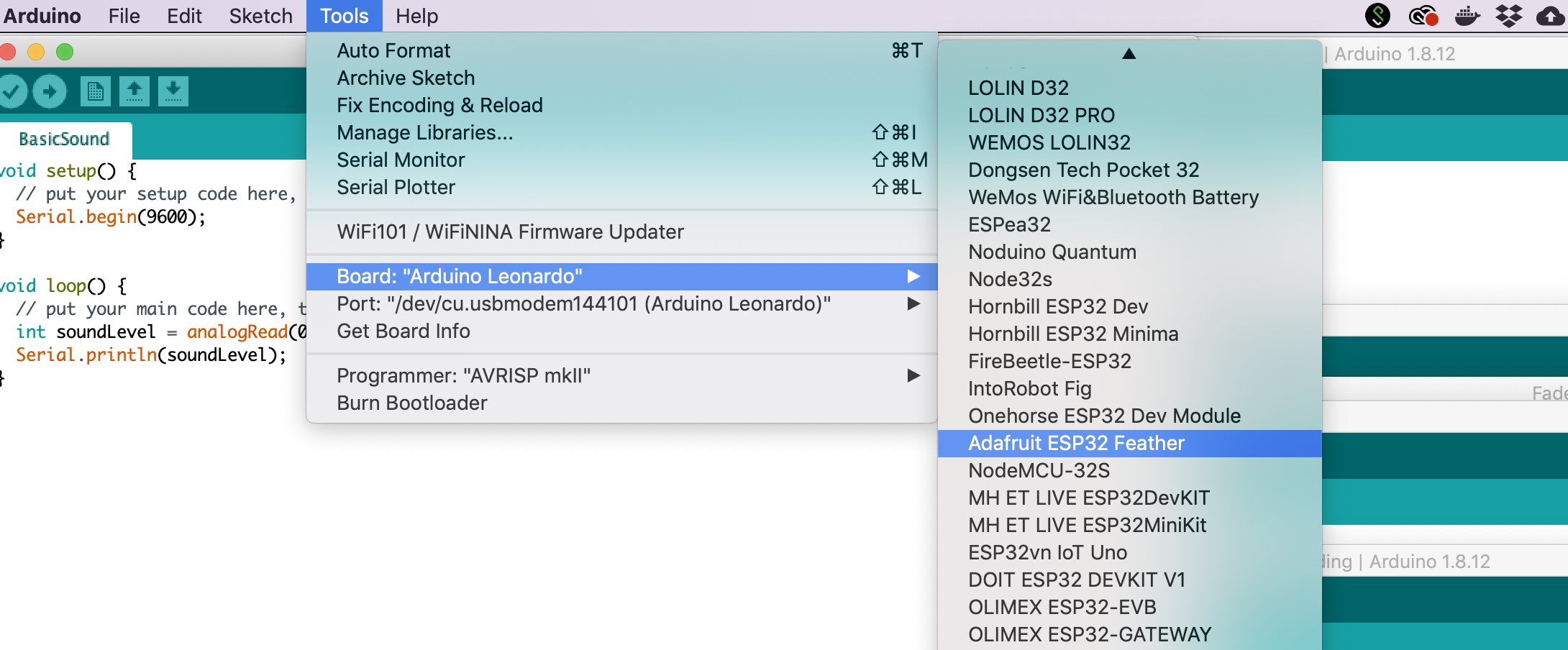 L1: Intro to the ESP32 - Physical Computing
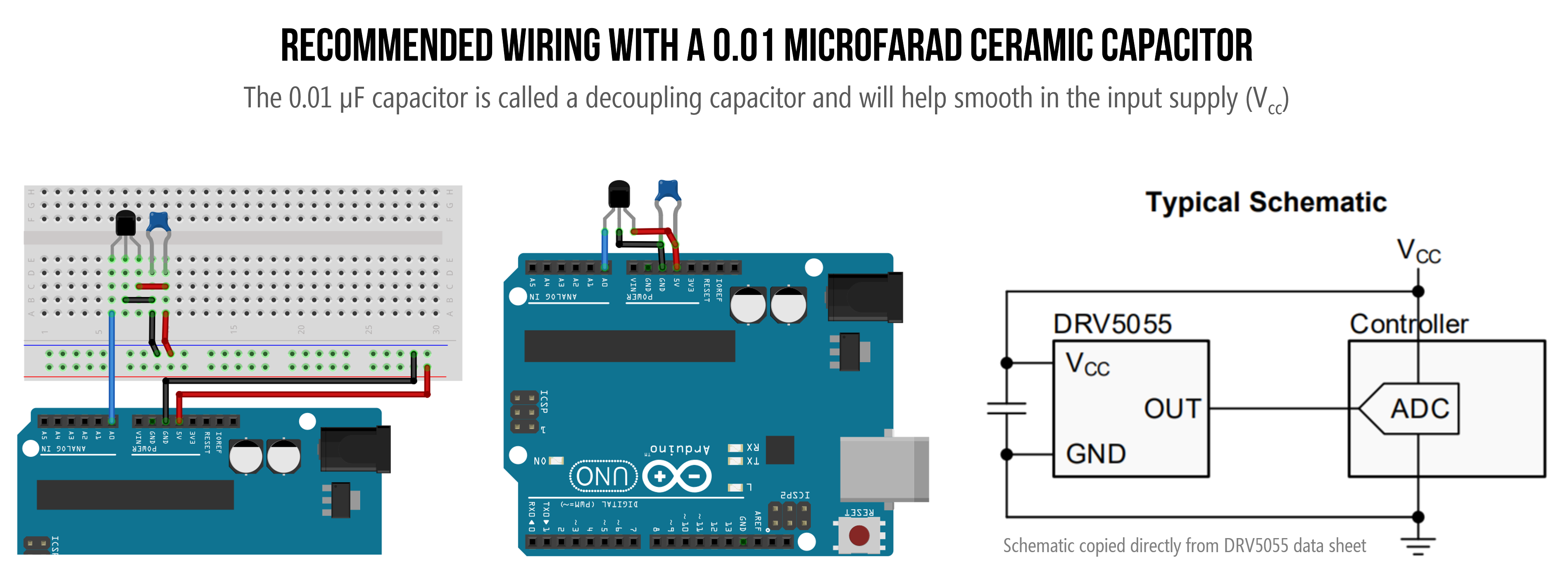 Hall Effect Sensors - Physical Computing
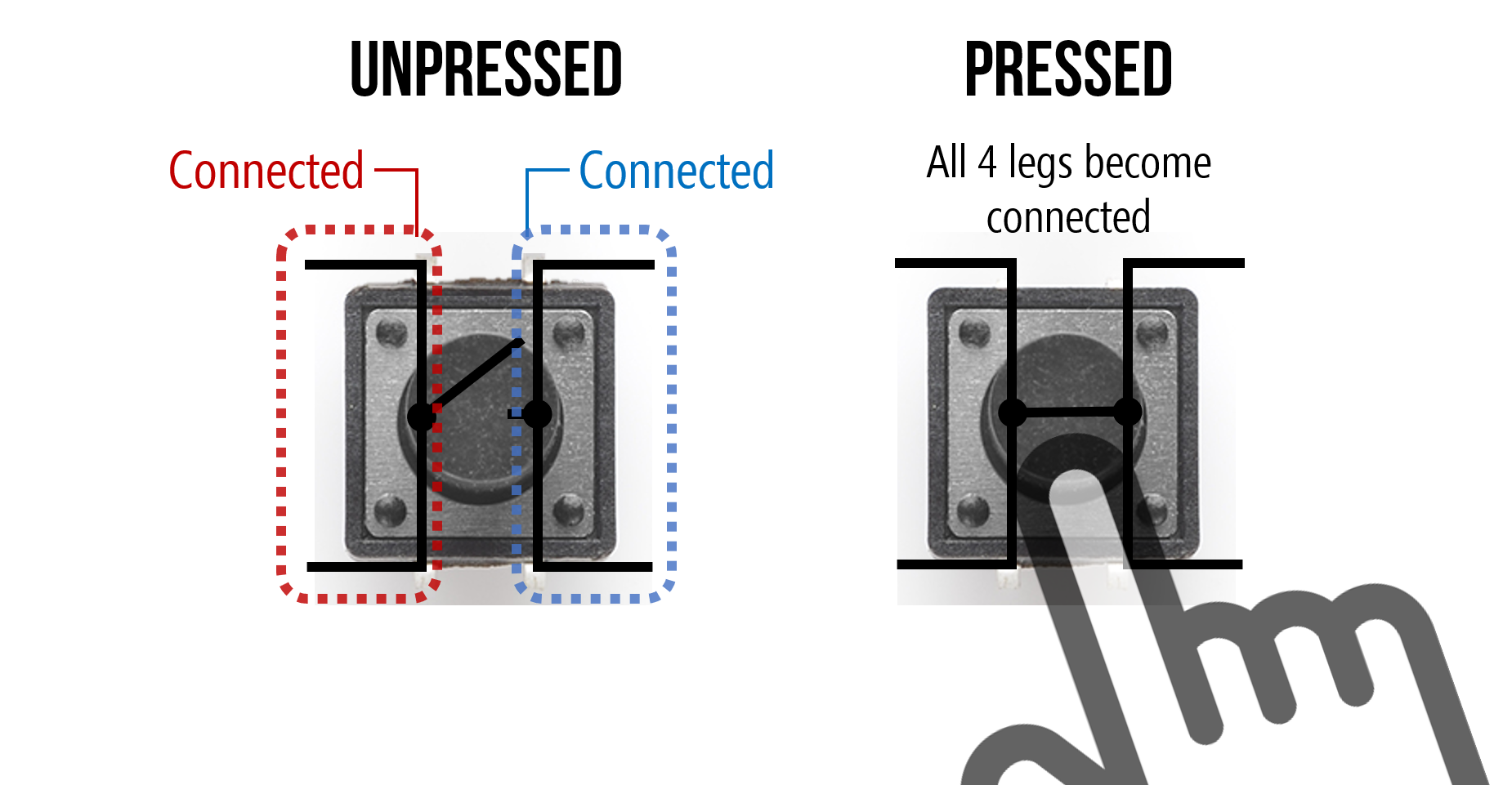 L1: Using buttons - Physical Computing
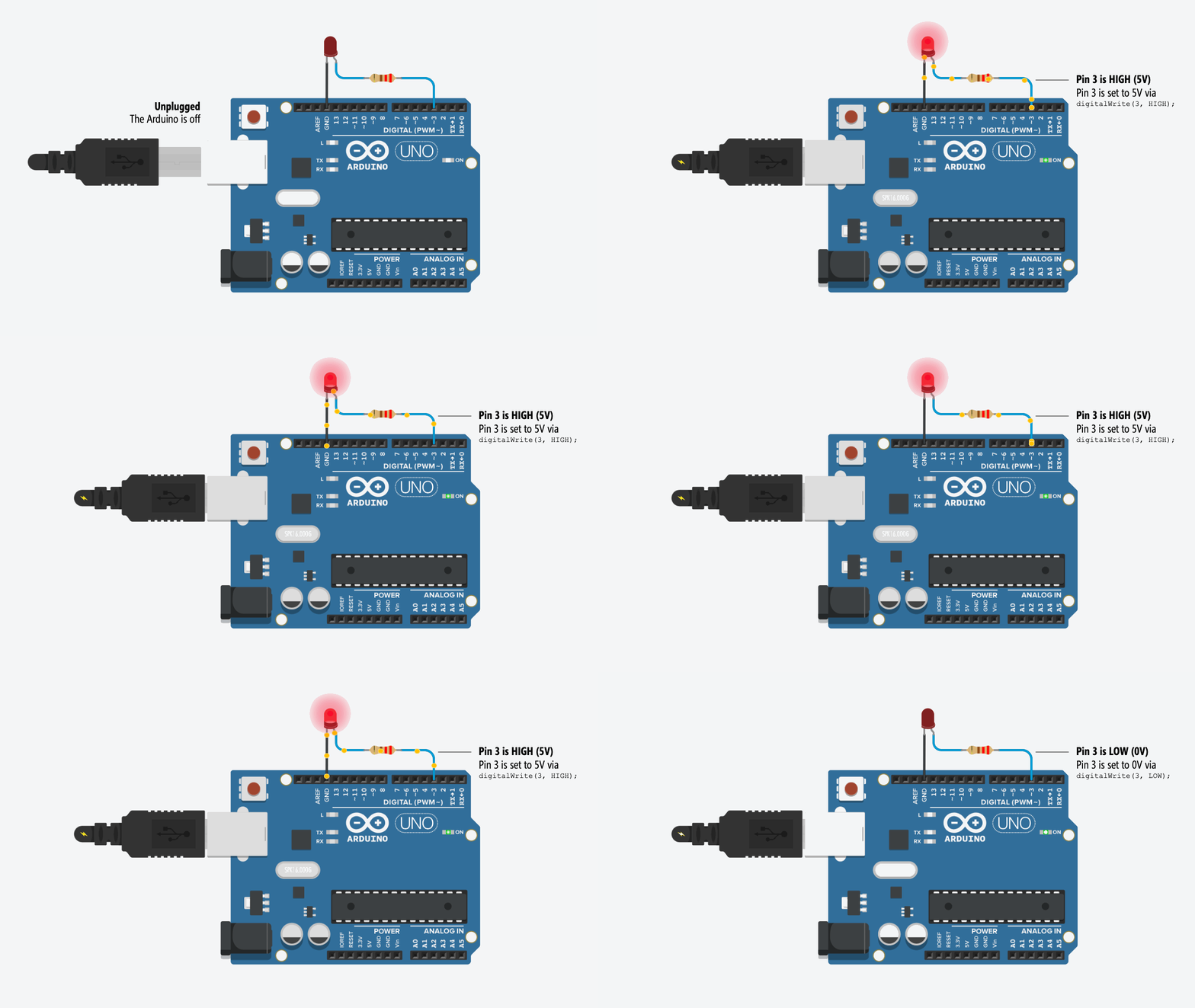 The Only Beginner Friendly Guide to Arduino — Part 1 | by Vijayalakshmi Swaminathan | Medium
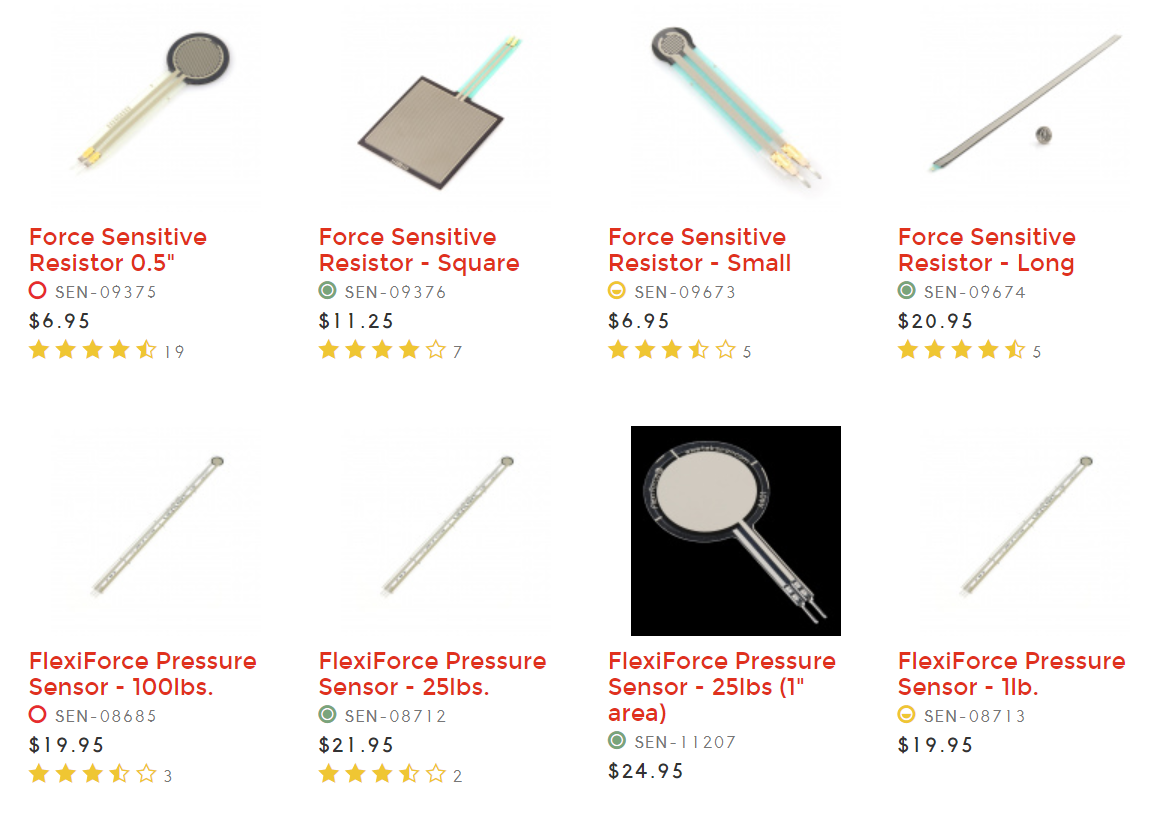 L5: Force-Sensitive Resistors - Physical Computing
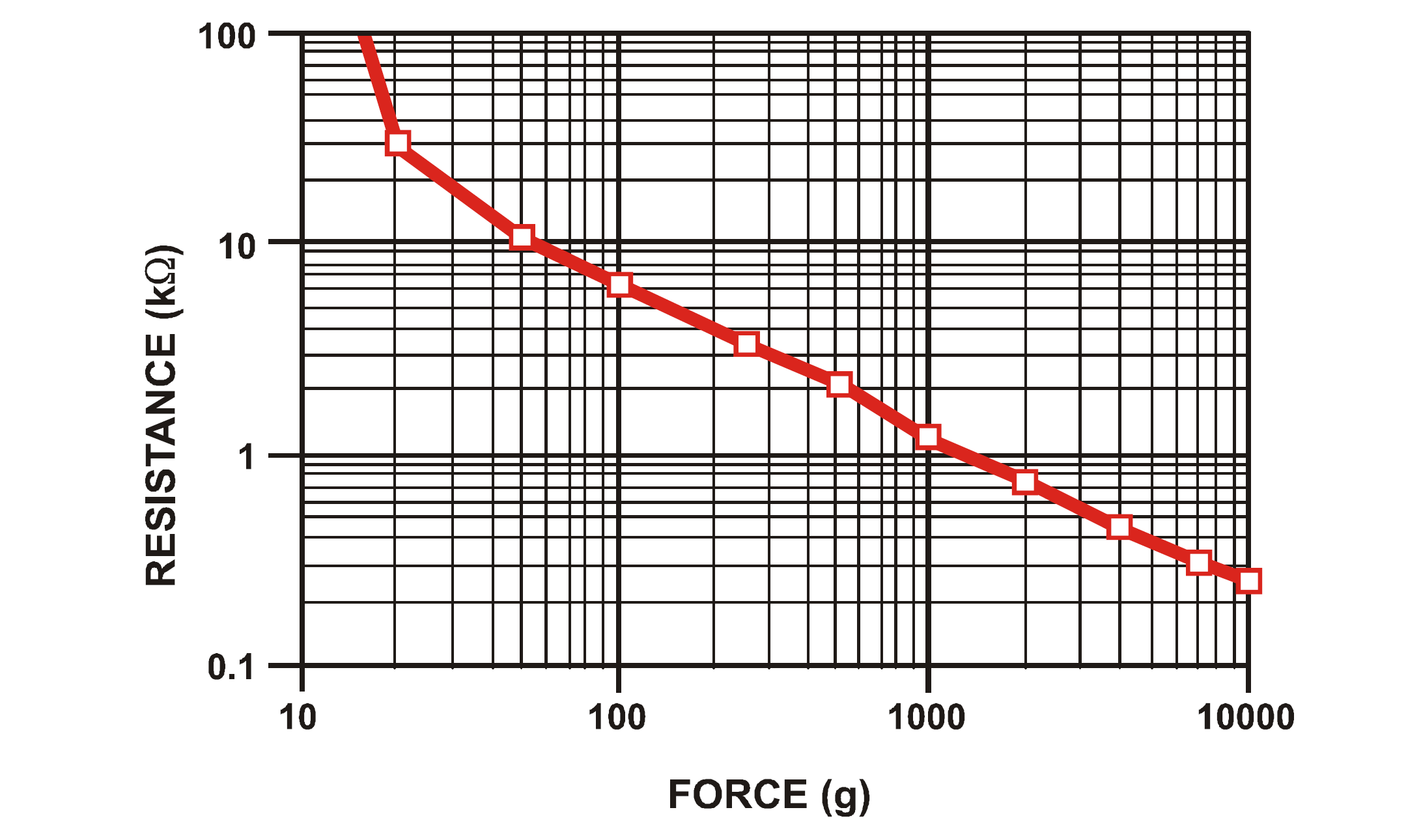 L5: Force-Sensitive Resistors - Physical Computing
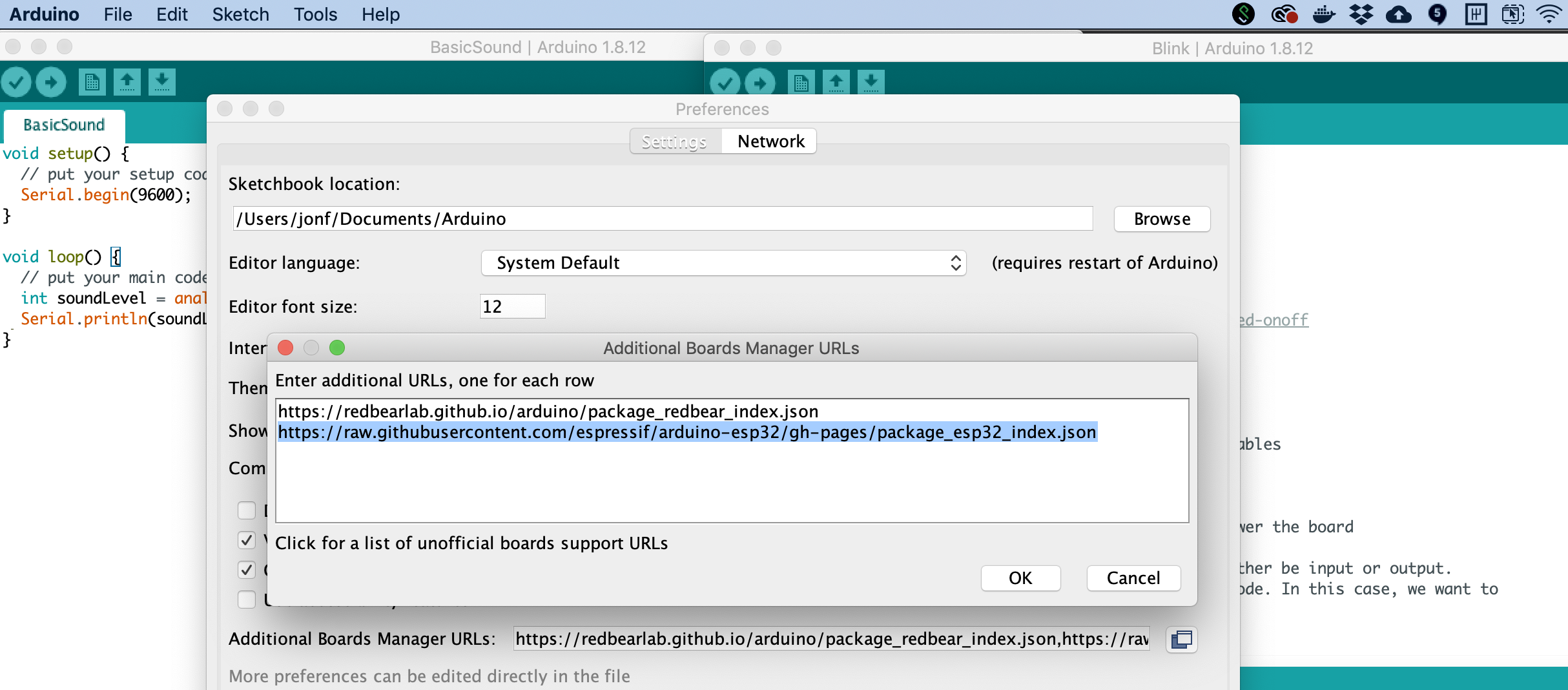 L1: Intro to the ESP32 - Physical Computing
 A Rapid Introduction to Creating Circuits in Fritzing - YouTube
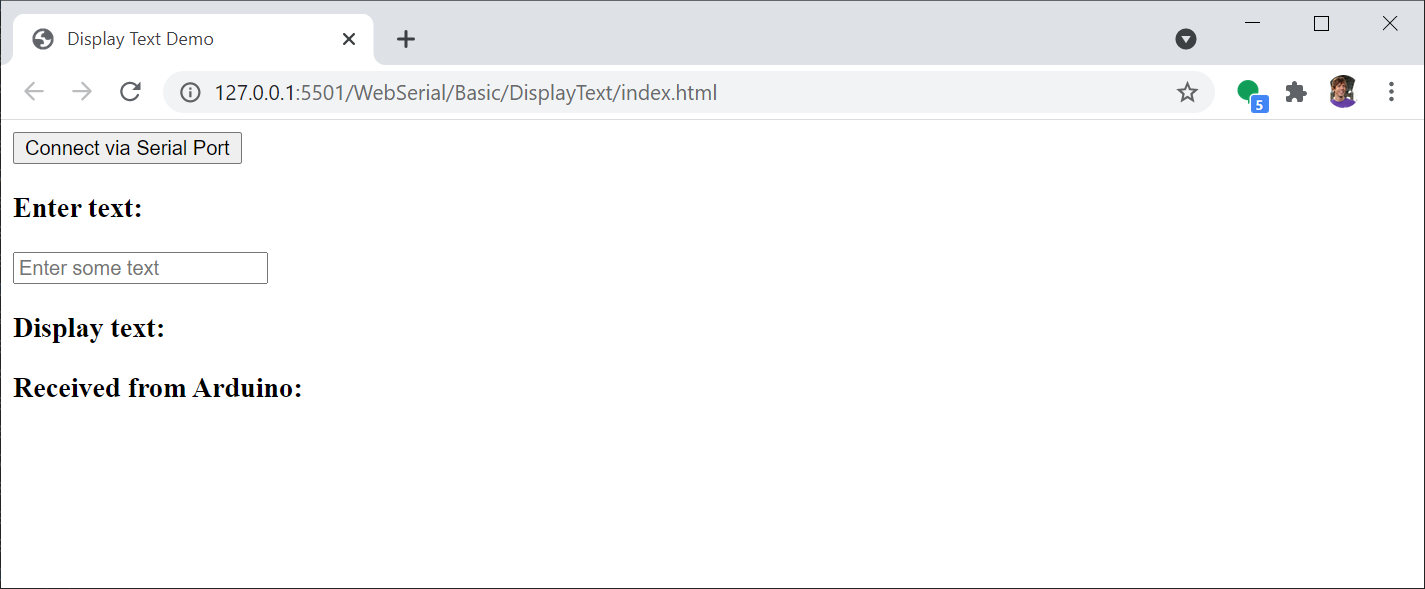 L2: Web Serial - Physical Computing
 Tweets with replies by Project Sidewalk (@projsidewalk) / Twitter
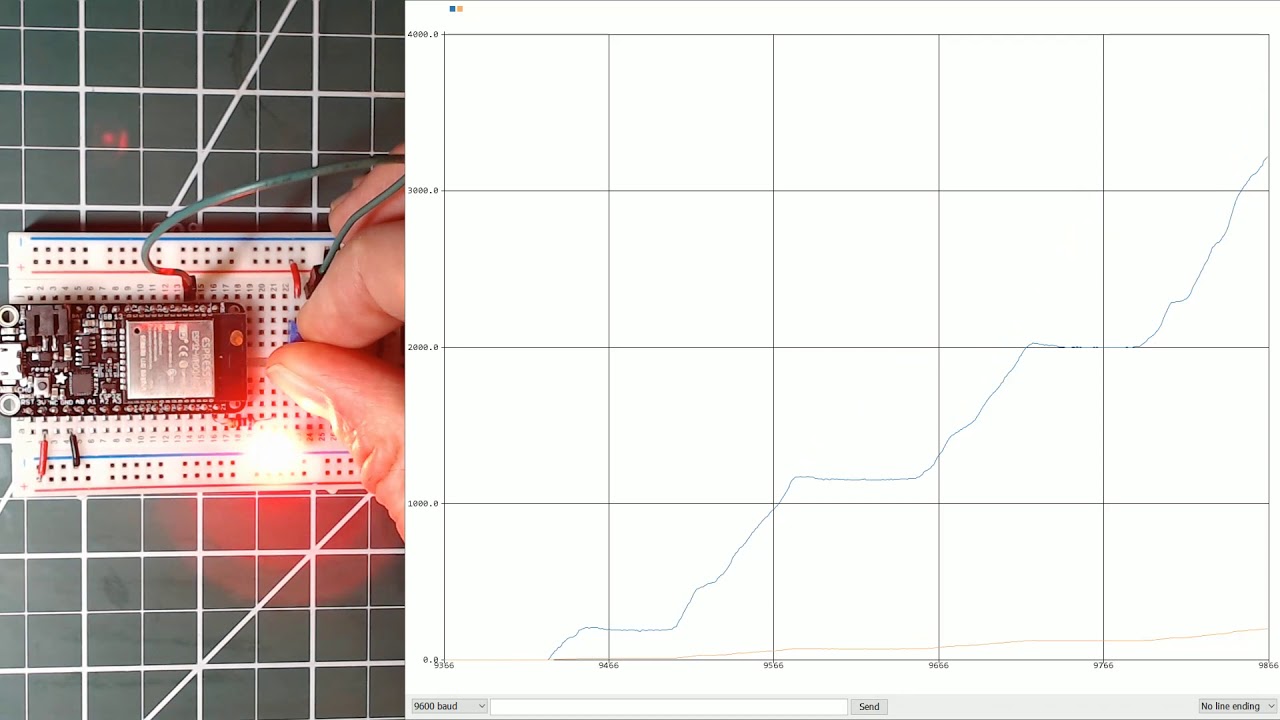 Potentiometer-based LED fader on Adafruit's Huzzah32 (ESP32) board - YouTube
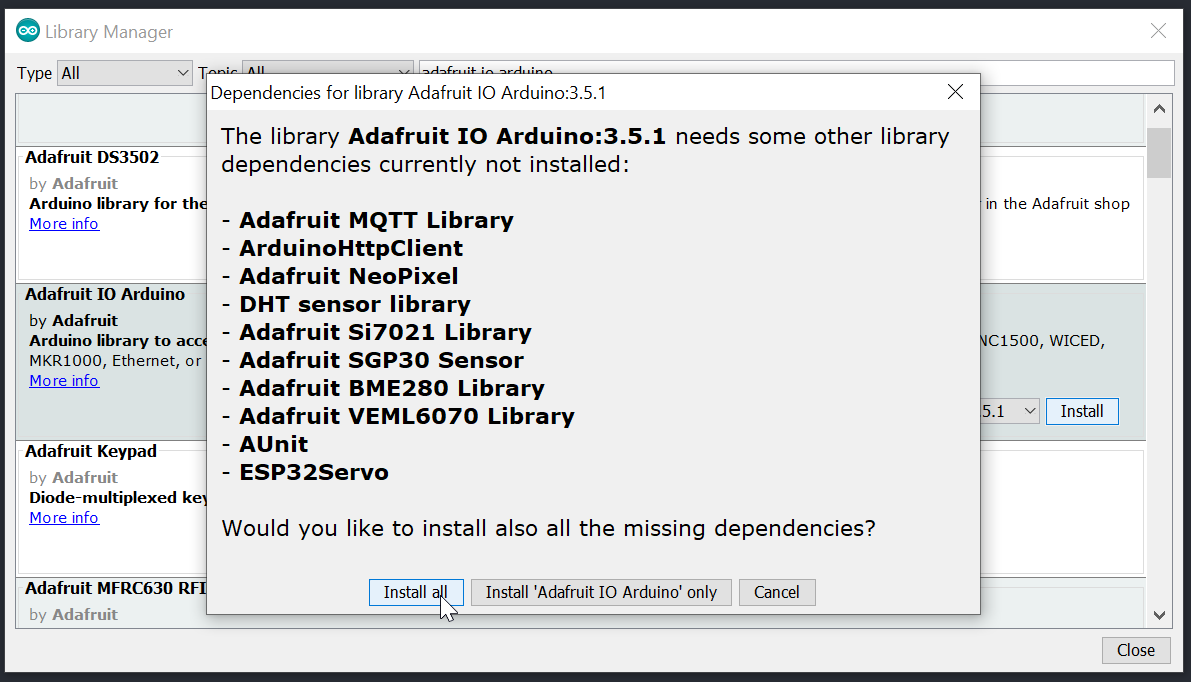 L7: Internet of Things - Physical Computing
 Other Resources – LearnHaptics
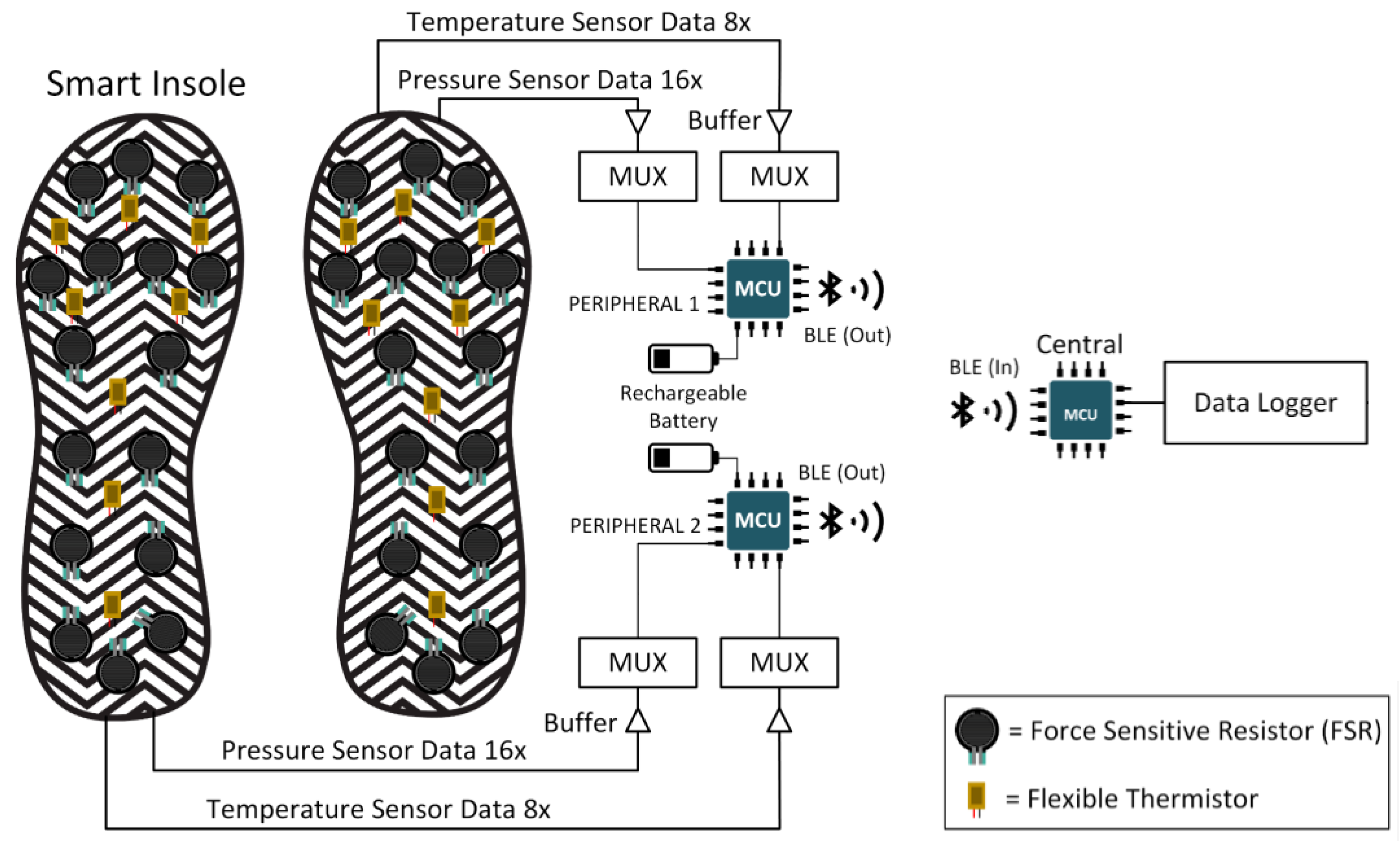 Sensors | Free Full-Text | Design and Implementation of a Smart Insole System to Measure Plantar Pressure and Temperature | HTML
![Exploring angles and p5js vectors [code in comments] : r/processing](https://external-preview.redd.it/y9gpPW9q4WWumbtxuqeIhqd6GTJGxri0W-Ch6sQxMEA.png?format=pjpg&auto=webp&s=87f4f11676df1e50557a6dd827fce73cd059571f) Exploring angles and p5js vectors [code in comments] : r/processing
Exploring angles and p5js vectors [code in comments] : r/processing Other Resources – LearnHaptics
 Rishiraj Adhikary (@rishihere) / Twitter
 Wokwi Users Group - Arduino, ESP32 and Embedded System Simulator | Does anyone have a wokwi ESP32 example with a working buzzer | Facebook
 jonfroehlich (u/jonfroehlich) - Reddit
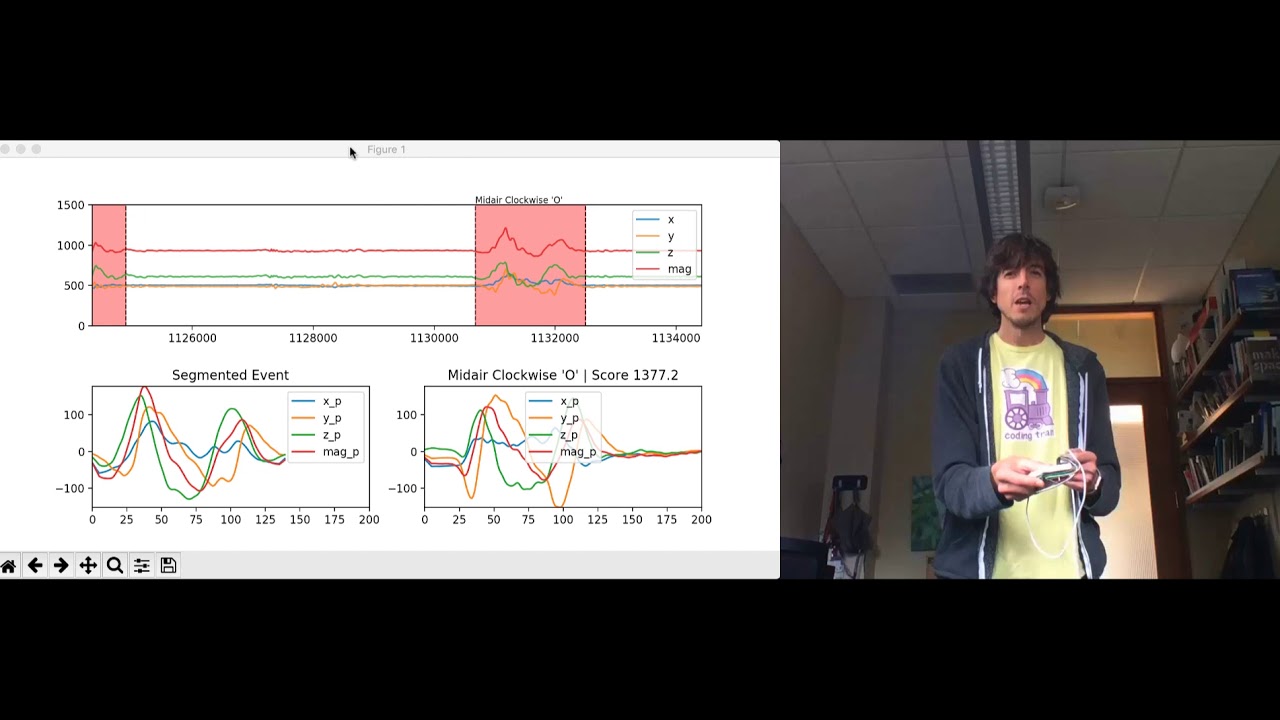 Realtime Accelerometer-Based 3D Gesture Recognition Demo - YouTube
 Sensors | Free Full-Text | Design and Implementation of a Smart Insole System to Measure Plantar Pressure and Temperature | HTML
 Jon Froehlich on Twitter: "I am teaching a non-majors Intro to Data Vis course for the first time. What a joy! 🥰 This week, we are experimenting with creating real-time sound visualizations
 PDF) Design and Implementation of a Smart Insole System to Measure Plantar Pressure and Temperature
 ProtoSound: A Personalized and Scalable Sound Recognition System for Deaf and Hard-of-Hearing Users
 Other Resources – LearnHaptics
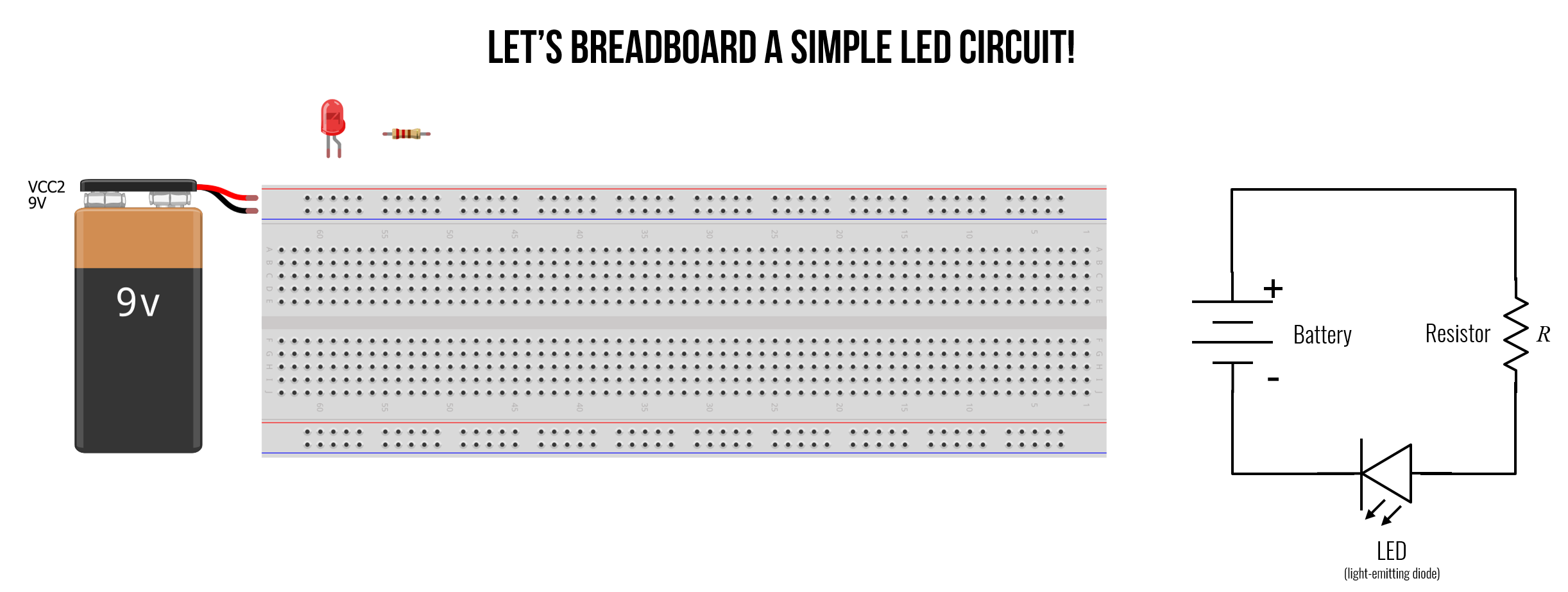 MMF-06D24DM-RC4 fan 60*60*25mm 24v #M1927 QL YH3 Electrical Equipment & Supplies ME2449446
 Does this diagram look correct? Trying to supply power to the board, 12v DC Motor, and servo motor from a 12v battery. : r/arduino
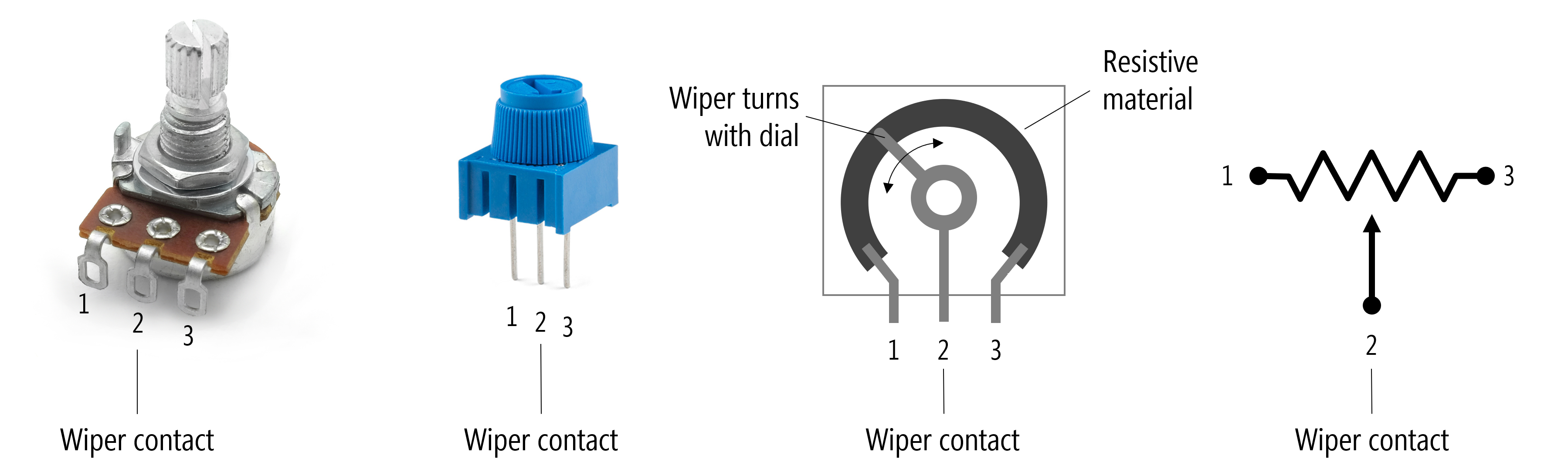 Bubble Bobble pcb sound potentiometer issue.
 ProtoSound: A Personalized and Scalable Sound Recognition System for Deaf and Hard-of-Hearing Users
 Sensors | Free Full-Text | Design and Implementation of a Smart Insole System to Measure Plantar Pressure and Temperature | HTML
 CSE490 Physical Computing Microgame Assignment - YouTube
 Tweets with replies by Rishiraj Adhikary (@rishihere) / Twitter